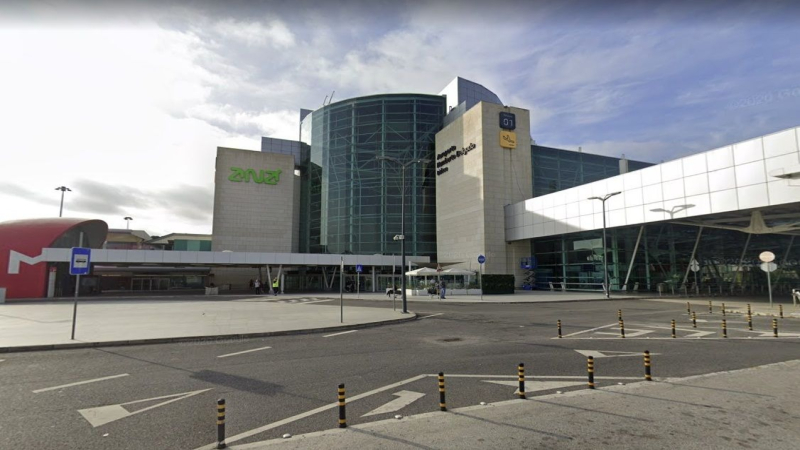
Lisbon’s main airport has imposed an estimated €12 billion cost on the city and its residents since 2015, largely driven health and environmental impacts linked to aircraft noise, according to warnings presented in parliament. The assessment was delivered during a hearing at the Parliamentary Committee on Environment and Energy, where environmental group Zero argued that the financial burden averages more than €1.5 billion per year. The figures are based on internationally recognised models used to calculate health damage, quality of life loss, and long-term urban impact. Speakers stressed that the issue goes beyond infrastructure management and reflects a structural failure to protect residents living under flight paths. The debate focused on operations at Humberto Delgado Airport, which sits within densely populated areas of the capital. Lawmakers were told that, despite repeated commitments, mitigation measures have lagged behind airport expansion, intensifying pressure on neighbourhoods already exposed to high levels of night and daytime air traffic.
Criticism was directed at the airport concessionaire for failing to comply with legally required noise management obligations. According to testimony, the Noise Action Plan covering 2018 to 2023 remains largely unfulfilled, particularly in areas considered most urgent, such as acoustic insulation of homes. A subsequent plan for 2024 to 2029 is already two years overdue, after a proposal placed under public consultation was rejected the national environmental authority. Deputies questioned how compliance could be enforced when penalties for breaches, including excessive night flights, have been minimal. Concerns were also raised that funding insulation through public environmental funds shifts responsibility away from the polluter. Environmental representatives argued that the operator should bear the full cost of mitigation. The issue has become increasingly contentious as aircraft movements continue to rise, with night time operations exceeding recommended limits despite earlier parliamentary working group proposals calling for stricter curfews.
Environmental advocates warned that conditions around the airport have deteriorated rather than improved, pointing to continued growth in hourly flights during restricted periods and construction activity carried out without a full environmental impact assessment. They stressed that the airport is located in a sensitive urban zone where any increase in traffic directly affects large population clusters. Calls were made for stronger inspection powers, tougher fines, and upfront charges for night flights to deter non compliance. Speakers also urged the state to use enforcement tools contained in the concession contract, including the possibility of terminating the agreement if environmental clauses continue to be ignored. Lawmakers were told that repeated hearings have produced little tangible change, raising questions about accountability. The debate underscored growing political pressure on authorities to act decisively, as residents across Lisbon continue to bear the health and social costs of airport operations.