






Ukraine is facing increased pressure from the United States to consider potential concessions to Russia as part of renewed efforts to end the war, according to a report published in The New York Times, citing Ukrainian officials. The report suggests that Washington is seeking momentum toward a negotiated settlement as early as this summer.
The claims emerge as preparations begin for another round of potential peace talks that could take place in the coming days. While the details of any proposed framework remain unclear, Ukrainian officials reportedly expressed concern that diplomatic urgency in Washington is intensifying as domestic political considerations, including upcoming US midterm elections, begin to shape foreign policy priorities.
Reuters said it could not independently verify the report. US officials have not publicly confirmed any shift in formal policy, and the White House has consistently maintained that decisions regarding negotiations rest with Kyiv. However, the broader geopolitical landscape has fueled speculation that Washington may be encouraging faster movement toward a ceasefire or structured dialogue.
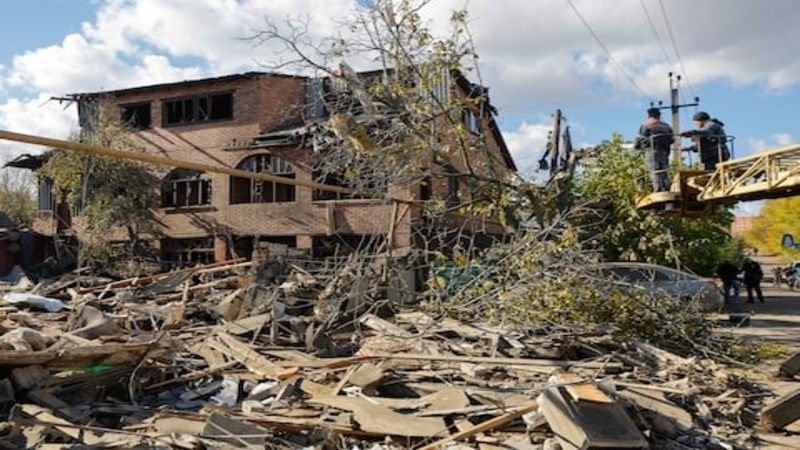
The war, now entering another prolonged phase, continues to strain Ukraine’s economy, infrastructure and military resources. Fighting in eastern regions, including areas of the Donetsk region, has remained intense. Damage to civilian infrastructure has added to reconstruction challenges and humanitarian pressures.
President Volodymyr Zelenskyy has repeatedly stated that any agreement must respect Ukraine’s territorial integrity and sovereignty. Ukrainian leadership has also emphasized that security guarantees and long term deterrence mechanisms would be essential components of any settlement.
In Washington, the conflict remains a significant foreign policy issue. US support has included financial aid, military equipment and intelligence assistance. However, political debate over the scale and duration of support has intensified in some quarters, particularly as election cycles approach.
Analysts note that diplomatic timing can often intersect with domestic political calendars, particularly in major powers. Midterm elections in the United States historically influence legislative priorities and foreign policy messaging. Observers suggest that visible progress toward ending the conflict could carry political significance.
European allies continue to play a central role in supporting Ukraine, both financially and militarily. Coordination among NATO members remains a key factor in shaping negotiation dynamics. At the same time, any perception of external pressure on Kyiv could complicate unity within the Western alliance.
With potential talks on the horizon, uncertainty remains over whether intensified diplomatic engagement will translate into concrete breakthroughs. The coming weeks are expected to clarify whether negotiations gain traction or whether battlefield realities continue to dominate the trajectory of the conflict.


