The arrival of the Year of the Fire Horse has sparked discussion beyond traditional lunar calendar celebrations, with some observers linking its symbolism to potential political and economic volatility in 2026. Feng Shui practitioner Micky Hung has suggested that the coming period could be marked heightened impulsiveness, geopolitical tension, and instability affecting both small and major powers.
According to Hung’s interpretation of the Five Elements theory, Fire years are associated with intensity, confrontation, and rapid developments. He argues that strong Fire energy often coincides with rigid political positions, reduced appetite for compromise, and elevated global friction. While such perspectives stem from traditional metaphysical frameworks rather than economic forecasting models, they reflect broader concerns about an already fragile international environment.
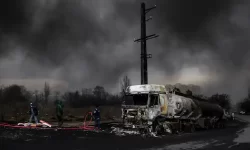
Geopolitical uncertainty remains a defining feature of the global landscape. Ongoing conflicts, strategic competition between major powers, and energy security concerns continue to shape economic policy decisions across Europe and beyond. Analysts in conventional financial markets similarly warn that 2026 may bring renewed volatility, particularly if growth slows while inflationary pressures persist.
For Portugal, Hung’s comments focus heavily on maritime and subsoil resources. He suggests the country should look toward the ocean and seabed as strategic assets in a shifting global order. While framed through Feng Shui symbolism, the emphasis aligns with Portugal’s longstanding maritime identity and its growing interest in blue economy initiatives.
Portugal has been expanding research and investment in ocean based energy, including offshore wind, wave energy, and seabed mineral exploration within European regulatory frameworks. The country’s Atlantic coastline positions it strategically for renewable marine projects, and Lisbon has actively promoted sustainable ocean industries as part of its long term economic strategy.
Hung also warned of potential energy price fluctuations, linking them symbolically to the dominance of the Fire element. In practical terms, energy markets remain sensitive to geopolitical developments, supply constraints, and global demand shifts. Portugal, like many European nations, continues efforts to diversify energy sources and reduce dependency on volatile imports through renewable expansion.
On the political front, Hung anticipates increased disputes both globally and domestically. Across Europe, governments are navigating economic pressures, cost of living concerns, and shifting voter expectations. Portugal itself has experienced political realignments in recent years, reflecting broader continental trends toward fragmentation and coalition driven governance.
While historical references to past conflicts during Fire Horse years are part of traditional cyclical interpretations, mainstream analysts attribute modern geopolitical tensions to structural economic and strategic factors rather than calendar cycles. Nevertheless, symbolic narratives often resonate during periods of uncertainty, particularly when global conditions already appear fragile.
Hung’s broader message to Portugal centers on strategic positioning. leveraging maritime resources, investing in sustainable ocean industries, and reinforcing its role in Atlantic trade routes, the country could strengthen resilience in a turbulent global environment. Portugal’s historical connection to the sea continues to influence its economic vision, particularly as shipping, logistics, and renewable energy remain central to European growth plans.
As 2026 unfolds, economic indicators and geopolitical developments will ultimately determine outcomes. Whether viewed through cultural symbolism or conventional market analysis, the coming year is widely expected to test adaptability, policy coordination, and strategic planning across Europe, including Portugal.