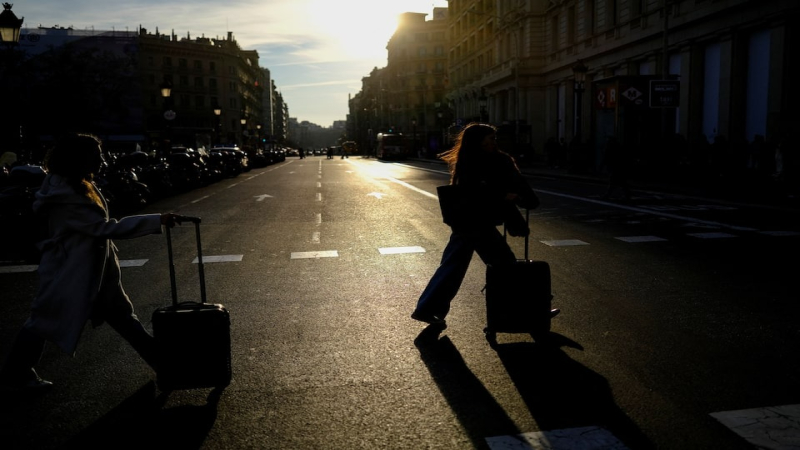
Barcelona has approved a significant increase in its tourism tax, raising overnight visitor charges to some of the highest levels in Europe as authorities seek to address mounting housing pressures and manage record tourist numbers.
Under legislation passed Catalonia’s regional parliament, the maximum tax for guests staying in holiday rental properties will double from 6.25 euros to 12.5 euros per night. Hotel guests will also see higher charges beginning in April, with nightly rates ranging between 10 and 15 euros depending on the hotel category. Five star accommodation will carry the highest levy, while cruise passengers will continue to pay approximately 6 euros.
For visitors, the impact will be noticeable. A two night stay for two people in a typical four star hotel could result in an additional cost exceeding 45 euros, as local authorities are permitted to add a municipal surcharge on top of the regional tax. The measure positions Barcelona among Europe’s most expensive cities in terms of tourism levies, although Amsterdam remains higher according to recent industry comparisons.
City officials argue that the policy forms part of a broader strategy to manage mass tourism and address the city’s housing affordability crisis. A quarter of the revenue generated the increased tax will be directed specifically toward housing initiatives aimed at easing pressure on local residents. Barcelona has also announced plans to phase out short term rental accommodation entirely 2028, a move intended to free up housing stock for permanent residents.
Public reaction remains mixed. Some visitors have expressed concern that the higher costs may discourage repeat travel. Others argue that the city already benefits substantially from tourism spending and question whether additional taxes are necessary. Local residents, however, have staged frequent demonstrations in recent years, claiming that high visitor numbers contribute to rising rents and displacement in central neighbourhoods.
Barcelona attracts approximately 15.8 million tourists annually and ranks among the world’s leading destinations for international conventions and business events. Industry representatives warn that sharply increasing accommodation taxes could undermine competitiveness, particularly if neighbouring destinations maintain lower rates.
Hotel associations have suggested that gradual increases would have allowed authorities to monitor economic effects more carefully. They caution that excessive taxation may eventually reduce demand, affecting employment and local businesses dependent on visitor spending.
The decision reflects a broader European debate over sustainable tourism and urban capacity. As cities balance economic benefits with social impact, Barcelona’s approach may serve as a reference point for other destinations confronting similar challenges linked to housing shortages and overtourism.