Europe is confronting a renewed energy shock as escalating conflict involving Iran disrupts oil shipments and liquefied natural gas production in the Middle East, driving prices sharply higher and reviving concerns over inflation and industrial competitiveness.
Benchmark European gas prices surged at the start of the week, with the Dutch TTF contract rising more than 40 percent at one stage amid reports of supply interruptions. The spike followed US and Israeli military actions targeting Iran and subsequent Iranian retaliation across the region, raising fears of sustained disruption to one of the world’s most critical energy corridors.
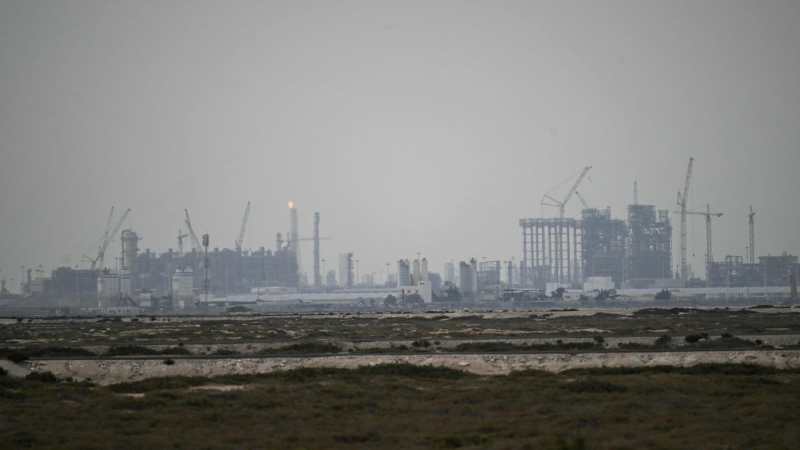
QatarEnergy confirmed that liquefied natural gas production had been suspended at facilities in Ras Laffan Industrial City following what it described as military attacks. Qatar is one of the world’s largest LNG exporters, and any prolonged halt in output threatens global supply chains, particularly for Europe, which has become increasingly dependent on LNG imports since reducing reliance on Russian gas.
The conflict has also intensified concerns about shipping routes through the Strait of Hormuz, a vital chokepoint through which a significant portion of global oil and gas flows. Any sustained interruption to tanker traffic would amplify price volatility and place additional strain on energy importing economies.
European policymakers are particularly sensitive to energy shocks. Since the Russian invasion of Ukraine, the European Union has worked to diversify supply away from Russian pipeline gas, accelerating investments in LNG terminals and renewable energy. While these efforts improved resilience, they have also exposed the bloc to global LNG market fluctuations and higher spot prices.
Higher energy costs have already weighed on European industry. Manufacturers across the continent have faced elevated input costs compared with competitors in the United States and China, where energy prices have been more stable. A fresh surge in gas and oil prices risks further eroding margins in energy intensive sectors such as chemicals, steel and heavy manufacturing.
Economists warn that sustained increases in fuel costs could also complicate monetary policy. Rising energy prices tend to feed into broader inflation, potentially limiting the ability of central banks to ease interest rates even if economic growth slows. The renewed volatility comes at a time when several European economies are experiencing fragile recoveries.
Financial markets reacted quickly, with energy related stocks rising while transport and industrial shares faced pressure. Analysts note that Europe’s exposure to imported energy makes it particularly vulnerable to geopolitical instability in the Gulf region.
For now, the trajectory of prices will depend on the duration and scope of the conflict. If production outages and shipping disruptions prove temporary, markets may stabilise. However, a prolonged escalation could deepen Europe’s energy challenge, reinforcing the urgency of supply diversification and strategic reserves.