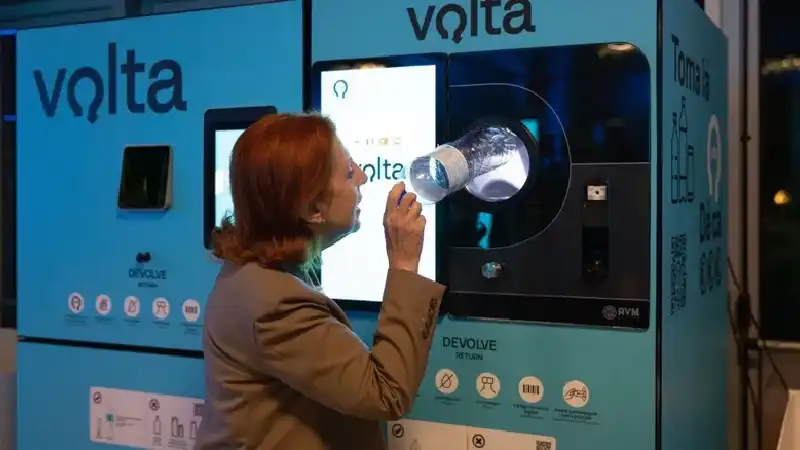
Portugal is preparing to introduce a nationwide deposit return system for plastic bottles and aluminium cans, marking a major shift in how recycling is handled across the country. Starting from April 10, 2026, consumers will pay a small deposit of around ten cents on selected drink containers, which will be refunded upon return to designated collection points. The initiative is designed to encourage higher recycling rates and reduce environmental waste, with Lisbon expected to play a central role as one of the busiest urban hubs adapting to the new system.
The scheme will apply to single use beverage containers up to three litres, including plastic bottles and metal cans, while excluding glass and other materials in the initial phase. Consumers will need to return containers intact to access refunds, using machines or manual collection points located across retail spaces. Authorities have outlined a large scale infrastructure plan, including around 2,500 automated return machines and an extended network of participating shops, cafes and kiosks. Supermarkets are expected to serve as the primary return locations, supported smaller businesses in both urban and regional areas.
Officials say the system is intended to reshape everyday recycling behavior shifting responsibility directly to consumers. Instead of relying on traditional bin based recycling, individuals will be encouraged to return packaging through a financial incentive model. This approach has been successfully implemented in several European countries, where deposit systems have significantly increased collection rates. In Portugal, the goal is to reach a 90 percent return rate for eligible containers 2029, aligning national performance with broader European Union environmental targets.
The move comes as Portugal faces growing pressure to improve its recycling outcomes and reduce landfill dependency. Environmental experts have pointed to gaps in current waste management systems, particularly in urban areas with high consumption levels. introducing a deposit based model, policymakers aim to reduce litter, improve material recovery and support a more circular economy. The initiative also places additional accountability on producers, who are expected to adapt packaging and supply chains to meet stricter sustainability standards across the European market.
Beyond environmental impact, the rollout is expected to generate economic activity through the development of new logistics and processing systems. Jobs linked to collection, transportation and recycling infrastructure are anticipated as the system expands nationwide. Industry observers note that similar programs in other countries have created new business opportunities while reducing long term waste management costs. For Portugal, the scheme represents both an environmental reform and a structural shift in how waste is handled across the economy.
The implementation will take place in phases, allowing businesses and consumers time to adjust to the new requirements. In the early stages, only containers clearly marked within the system will be accepted, with gradual expansion planned throughout 2026. Authorities have emphasized the importance of a smooth transition, ensuring that infrastructure and awareness campaigns are in place before full coverage is achieved. Lisbon and other major cities are expected to lead adoption, given their higher consumption patterns and existing retail networks.
As the launch date approaches, attention is focused on how quickly consumers adapt to the new process and how efficiently the collection network operates under real demand. Retailers and local authorities are continuing preparations to ensure accessibility and convenience, particularly in high traffic areas. The system represents one of Portugal’s most ambitious environmental initiatives in recent years, with its early performance likely to shape future sustainability policies and recycling strategies across the country.