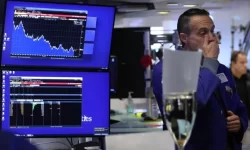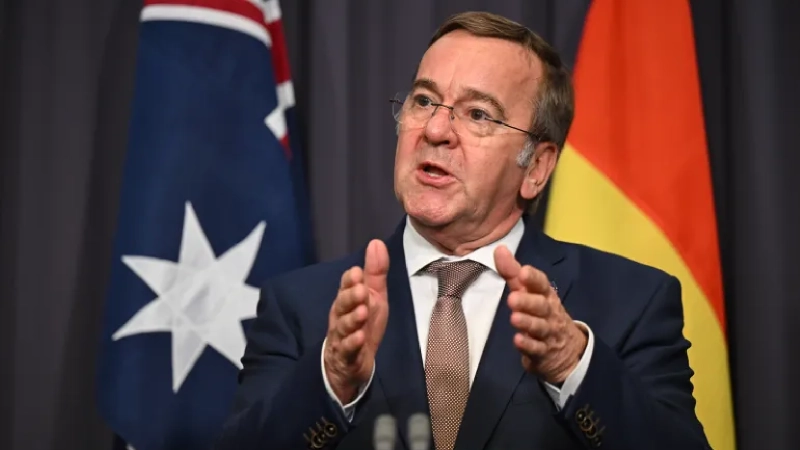
Rising geopolitical tensions linked to the ongoing conflict involving Iran are triggering mounting concerns across Europe, with leaders warning of severe economic consequences as the crisis approaches the one month mark. Boris Pistorius described the situation as an economic catastrophe, pointing to early signs of disruption already visible in global markets. The escalation has intensified pressure on energy supplies, trade routes, and investor confidence, raising fears that the global economy could shift away from its expected recovery path.
The economic warning coincides with a revised outlook from the Organisation for Economic Co-operation and Development, which has downgraded growth expectations for several major economies. The United Kingdom’s 2026 growth forecast has been cut to 0.7 percent, reflecting the impact of rising energy costs and tighter fiscal conditions. The eurozone also faces reduced projections, while the United States outlook has seen a slight upward adjustment. Analysts suggest that volatility in energy markets and prolonged geopolitical uncertainty are now central factors shaping economic forecasts across developed economies.
Energy markets have become a key pressure point as the conflict threatens critical supply routes, particularly around the Strait of Hormuz. European officials have warned that disruptions in maritime traffic could trigger one of the most severe energy crises in decades. Natural gas prices within the European Union have already surged significantly since the start of hostilities, driven attacks on key infrastructure and fears of further escalation. Leaders including Ursula von der Leyen have called for urgent diplomatic efforts to stabilize the situation and protect energy security ahead of the next winter season.
Political divisions within Europe have also become more visible as governments respond to the crisis. Germany has emphasized that it was not consulted before the conflict began and has distanced itself from direct involvement, while still expressing readiness to support peacekeeping efforts if a ceasefire is reached. Meanwhile, Spain’s leadership has issued strong warnings about the scale of the crisis, describing it as potentially more damaging than previous conflicts in the region. Calls for de escalation and negotiations are growing, reflecting concern about both economic and humanitarian consequences.
As the conflict continues, global markets remain under pressure from a combination of geopolitical risk, rising energy costs, and uncertainty around policy responses. Governments and financial institutions are closely monitoring developments, with expectations that prolonged instability could reshape trade flows, inflation trends, and economic growth trajectories worldwide. The evolving situation underscores the interconnected nature of geopolitics and global finance, as events in key regions rapidly translate into broader economic consequences across Europe and beyond.