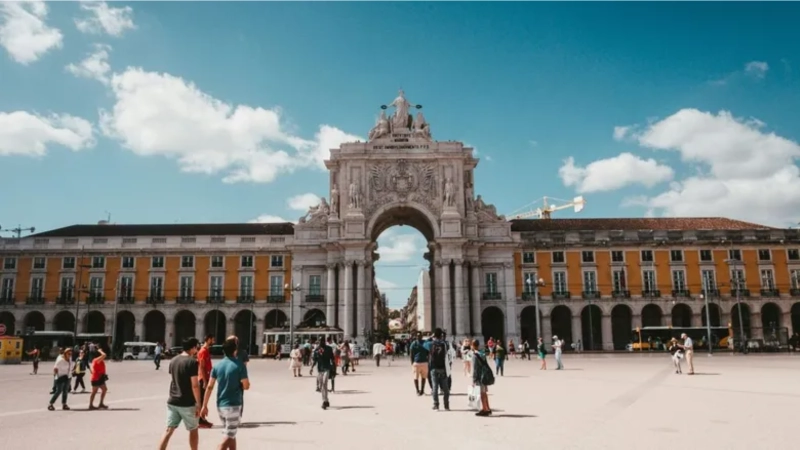
Several Portuguese cities have been ranked among the world’s best destinations for exploring on foot, with Lisbon securing a place in the global top 10, according to a 2026 international ranking based on traveler activity and preferences. Porto and Coimbra also featured on the list, reinforcing Portugal’s growing reputation as a destination suited for immersive, walkable tourism. The ranking highlights increasing demand from travelers seeking authentic urban experiences that allow them to explore historic streets, landmarks, and neighborhoods at a relaxed pace without relying heavily on transport.
Lisbon ranked 10th globally, followed closely Porto in 13th position, while Coimbra was placed 92nd. The cities were recognized for their combination of historical architecture, vibrant urban culture, and pedestrian friendly layouts. Visitors are increasingly drawn to destinations where walking is not only convenient but also enhances the travel experience offering direct engagement with local culture, cuisine, and daily life. Portugal’s cities, with their compact centers and scenic routes, continue to meet this demand effectively.
The ranking was compiled using data from millions of travelers, including bookings, reviews, and completed walking tours, providing a strong reflection of real visitor behavior rather than theoretical analysis. This methodology has helped highlight destinations that consistently deliver positive on foot experiences. Analysts note that such rankings are becoming more influential in shaping tourism trends, as travelers rely on peer driven insights when choosing destinations that offer both accessibility and cultural depth.
Tourism experts emphasize that Portugal’s appeal lies in its diversity, with cities offering unique experiences ranging from coastal views to historic universities and cultural districts. Lisbon’s hills, tram lined streets, and iconic neighborhoods such as Alfama and Bairro Alto contribute to its global recognition. Porto’s riverside setting and historic center provide a similarly rich environment for exploration, while Coimbra offers a quieter but equally authentic atmosphere rooted in academic tradition and heritage.
Industry leaders have pointed to a growing shift toward experiential travel, where visitors prioritize meaningful interaction with destinations over traditional sightseeing. Walking tours, local guides, and self guided exploration have become central to this trend, allowing tourists to engage more deeply with local communities. Portugal’s inclusion in the ranking reflects how its cities are adapting to these preferences, offering infrastructure and experiences that support slow, sustainable tourism.
Globally, the ranking was led Budapest, followed Rome, Vienna, Barcelona, and Madrid, with other major European cities such as Paris and Prague also featuring prominently. Lisbon’s position among these destinations underscores its rising profile within the competitive European tourism landscape. As travel patterns continue to evolve, Portugal’s emphasis on walkability and cultural accessibility is expected to further strengthen its position as a preferred destination for international visitors.