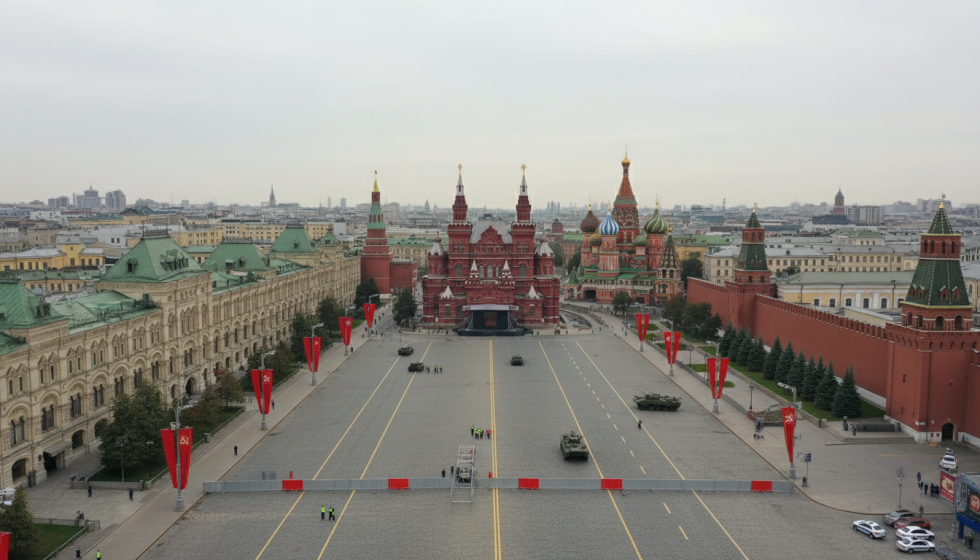
Details of the Annual Parade Changes
Officials in Moscow moved quickly to narrow the scope of this year’s ceremony on Red Square, limiting elements that typically draw the largest crowds and the widest broadcast angles. In the middle of the planning cycle, the Moscow Victory Day parade became a smaller, more controlled event than earlier editions, with tighter movement for invited guests and fewer public access points. State media described the decision as an operational adjustment rather than a cancellation, and presenters framed it as a practical response to heightened risk. Today the Kremlin’s messaging emphasized continuity of commemoration while acknowledging constraints that affect timing, staging, and rehearsals. A formal Update from city authorities focused on logistics and crowd management.
Security Concerns Driving the Decision
Russian officials explicitly linked the cutbacks to an Ukraine threat, presenting the risk as the central factor for changing the format and perimeter of the event. In Live coverage, presenters pointed to air defense readiness and restrictions around central Moscow, while avoiding details that would reveal deployments or routes. Reuters described Russia’s rationale as a response to the security situation and stated that the parade was being scaled back rather than called off. In a separate political context, the BBC has covered how governments explain sensitive decisions under pressure, as seen in Starmer sees off inquiry call, where officials face scrutiny over choices and messaging. Today authorities asked residents to expect road closures and screening measures near Red Square.
Historical Significance of Victory Day
The Kremlin continues to treat the commemoration as a core state ritual, and officials leaned on earlier anniversaries to argue that reductions do not diminish meaning. Commentators referenced the 2010 moscow victory day parade to highlight how spectacle has varied across years and how hardware displays can expand or contract with circumstances. In the middle of those comparisons, the Moscow Victory Day parade was framed as a symbol first and a demonstration second, with speakers stressing veterans, wartime memory, and national unity. Live broadcasts kept returning to the theme that symbolism can be preserved even when access is narrowed and programs are shortened. A parallel Update from municipal services addressed transport rerouting, checkpoints, and medical staffing in central districts.
International Implications of the Reduction
Diplomatic observers are reading the decision as a signal about Moscow’s perception of vulnerability and its desire to control images that travel abroad. As russia victory day parade 2025 discussions circulate among foreign correspondents, the visible reduction in scale is being interpreted through the lens of the war and the threat environment rather than tradition alone. In the middle of regional coverage, Lisbon Telegraph has tracked other conflict related narratives, including Ukraine alleges Israel received grain from Russia, illustrating how political messaging shapes external perceptions during wartime. Today the pared back ceremony also affects visiting delegations, since security protocols limit schedules and public appearances. Live analysts noted that image management is now intertwined with operational security in central Moscow.
Future of Russia’s Celebratory Events
Officials are already signaling that future planning will be more flexible, with contingency models that can expand or shrink based on assessed risk closer to the date. In the middle of that forward look, moscow victory day parade 2025 is being discussed state commentators as a test of whether Russia can restore traditional scale while keeping tighter protective measures in place. The Kremlin has not published detailed criteria for returning to a fuller format, and Reuters has said the current changes are tied to security considerations rather than a calendar shift. Today the practical effect is a celebration shaped threat assessments, not only protocol. Another Update from transport agencies urged commuters to rely on reroutes and expect delays, while Live broadcasters prepared audiences for controlled visuals and restricted access on Red Square.