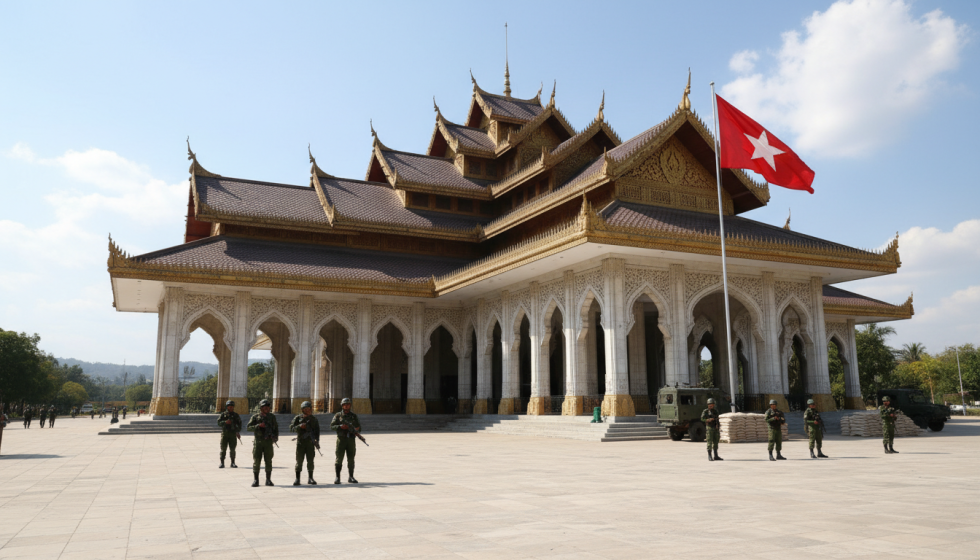
Military Announces Aung San Suu Kyi’s House Arrest
Myanmar’s military said it has moved former leader Aung San Suu Kyi from prison to a residential detention setting, framing the step as an administrative change under existing orders. In a Today briefing carried Reuters, officials described the shift as Aung San Suu Kyi house arrest linked to her age and health while her legal cases continue through military-run courts. The move alters where she is held, not the status of detention, and lawyers still face heavy limits on access, Reuters reported. Live monitoring local rights groups remains constrained strict information controls. The military provided no new timetable for hearings, and the change did not include any public appearance or statement Suu Kyi.
Historical Context of Suu Kyi’s Detention
The latest Update comes against the backdrop of the February 2021 military coup, when the armed forces detained Suu Kyi and other elected leaders and later pursued multiple charges. Reuters has reported over time that closed proceedings and restrictions on defense communications have left few verifiable details about conditions and due process. A separate regional read on governance and security pressures appears in Pope Leo XIV reflects on Africa trip and peace, illustrating how international actors weigh stability alongside rights concerns. Today, the military continues to justify detention through court verdicts, while critics argue the cases aim to sideline her from Myanmar politics. Live interest remains high because each procedural change signals how the junta manages her isolation.
International Reactions to Myanmar’s Political Moves
Diplomatic responses are sharpening as the detention location changes without resolving core disputes over legitimacy and civilian rule. The United Nations has repeatedly highlighted humanitarian strain tied to conflict and displacement, and a UN News briefing on Myanmar aid conditions underscores how instability complicates relief delivery and recovery planning. In that context, UN News coverage of WFP reporting on Myanmar’s fragile recovery provides a reference point for how governance disruptions affect food security and services. Today, regional governments balance engagement with pressure, while Western capitals continue targeted sanctions policies, as tracked Reuters. Live diplomatic activity focuses on access, protection of detainees, and pathways back to civilian administration. The Update most sought envoys remains whether legal restrictions on counsel and family contact will ease.
Impact on Myanmar’s Political Landscape
Domestically, the shift to house arrest does not change the broader power structure created the coup, but it reshapes political signaling inside the country. Reuters has noted that the military has used legal convictions and custody arrangements to manage elite politics while fighting persists across several regions. An unrelated Lisbon Telegraph report on state responses to security incidents, Israel detains activists after flotilla interception, offers a comparative reminder of how detentions become political flashpoints in high tension environments. Today in Myanmar politics, opposition networks read the move as a test of the junta’s confidence and its appetite for controlled concessions. Live coverage also tracks whether the detention change affects internal party coordination, messaging, and the morale of pro-democracy supporters. A further Update will hinge on court scheduling and any verified access granted to legal representatives.
Future Implications for Myanmar’s Democracy
What happens next will depend on whether the military treats the relocation as a narrow custodial adjustment or as a precursor to broader political management steps. Reuters reporting has previously documented that the junta seeks international engagement on its own terms while keeping elected leaders sidelined through detention and sentencing. Today, moving Suu Kyi to a residence in Yangon could reduce immediate health risks but still preserves isolation from public life and campaigning. Live watchers will look for measurable indicators, including verified visits, medical transparency, and any change in restrictions on counsel. The most consequential Update for Myanmar’s democratic prospects would be a credible process that restores political competition and protects civil liberties, yet current court mechanisms and emergency-style governance remain in place. For now, the relocation is a tactical shift within detention, not a negotiated settlement.