Belgium’s Audacious Strategy
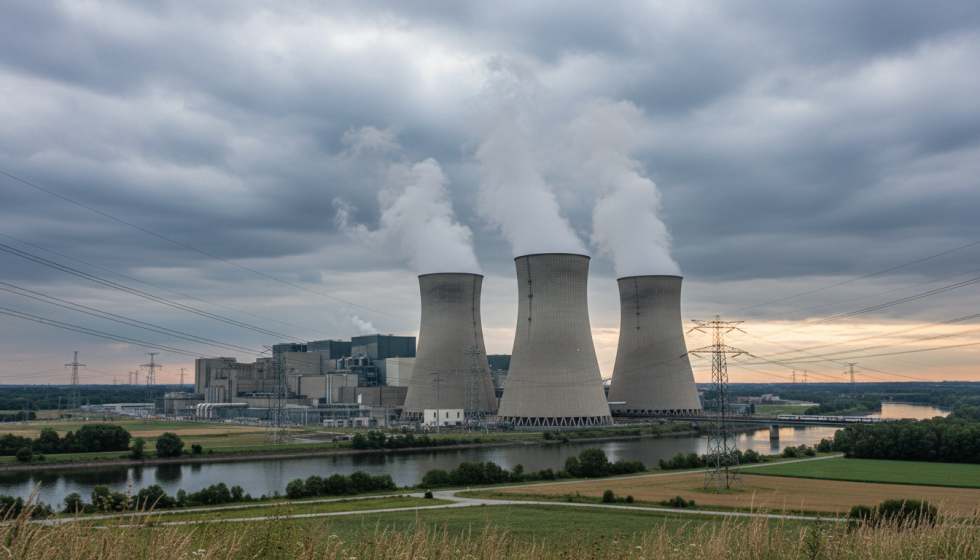
Belgium’s coalition isn’t just talking the talk—it’s treating state ownership of crucial reactor assets as a pressing task, not some distant dream. In a Today briefing for parliament, the energy ministry rolled out plans covering everything from valuation to governance. They’re moving ahead with taking equity stakes in these facilities, shifting operating duties to the state. This nationalisation is flaunted as a way to secure long-term capacity, while more contracts are rewritten and expense risks slide off private balance sheets and onto the state’s lap. A live negotiation track is running alongside discussions with plant operators and financial advisors, nailing down liabilities, decommissioning funds, and fuel supply obligations. Ministers hinted that the next Update will spill the beans on the draft governance structure for the state holding entity, plus a timeline for cabinet approvals.
Chasing Energy Independence
The government aims to achieve energy independence, with a smoother, steadier baseload generation while hastening fossil fuel reduction across the board. At a Today session, cabinet members connected this ownership shift to ensuring nuclear power hangs around during those tight supply moments and when gas prices are having a meltdown. A mid-process briefing tossed in mentions of cross-border market integration, observing that decisions about power security are being hammered out at a time when the European grid grapples with significant strain, including infrastructure woes highlighted in Ukraine’s expanding oil strikes. The BBC’s take on retail fuel market pressures, found in UK fuel price watchdog findings, showcases how scrutiny only intensifies when bills start climbing. Ministers promised a fresh review of supply metrics and an Update on how nuclear output will be paired with renewable energy expansion.
Bumps in the Road Ahead
However, this transition isn’t without its hiccups. The finance ministry warned that any ownership transfer must dance to the tune of EU state aid rules and Belgium’s budget framework, not to mention how future capital expense is handled. Regulators are banging the drum for safety and workforce continuity—no disruptions allowed, thank you very much—with the nuclear safety authority’s processes keeping their independence throughout any ownership handover. An operational risk register shared during a Live committee hearing flagged long lead components and manpower issues as bottlenecks that ownership changes won’t magically speed up. A separate Update is on the way to reassure on decommissioning provisions since Belgium harbours long-term liabilities that need to remain protected no matter who’s in the driver’s seat.
Industry Leaders React with Caution
Industry bigwigs are weighing in, combining caution with a dash of conditional cooperation, all while keeping a keen eye on pricing and technical risk allocation. Executives at a Today hearing, courtesy of employer federation VBO FEB, made it clear: private capital will only stick around if the state clarifies who handles outage costs, fuel risks, and those pesky long-term waste obligations. Some players in the grid and industrial power sectors chimed in during Live comments, saying that predictability trumps owner identity, given the regulator steps up to enforce transparent tariff and capacity rules. An example drawn from outside the energy sector was Harborne challenges new UK political donation caps, showcasing how public accountability frameworks can tighten as politics and finance collide. Business groups are clamouring for an Update that sets measurable performance goals for the future operator, like outage rates and delivery targets.
Europe Watches and Waits
Belgium’s move is on the radar across Europe, a test of whether governments will grip the reins of strategic generation amid a landscape rife with geopolitical tension and electrification. In a Today briefing, Belgian officials promoted this as a playbook for keeping nuclear power while ramping up renewables. They argue that a solid baseload facilitates the integration of variable generation, keeping competitiveness intact. Market analysts on Live investor calls noted that how Belgium prices these assets and compensates could signal change for financing costs in other nations eyeing similar paths. An upcoming Update later this month aims to clarify how the state will keep the market informed about operational performance, including outage reports and procurement transparency. Plus, diplomats pointed out that governance decisions might influence cross-border cooperation on fuel services and waste management standards.