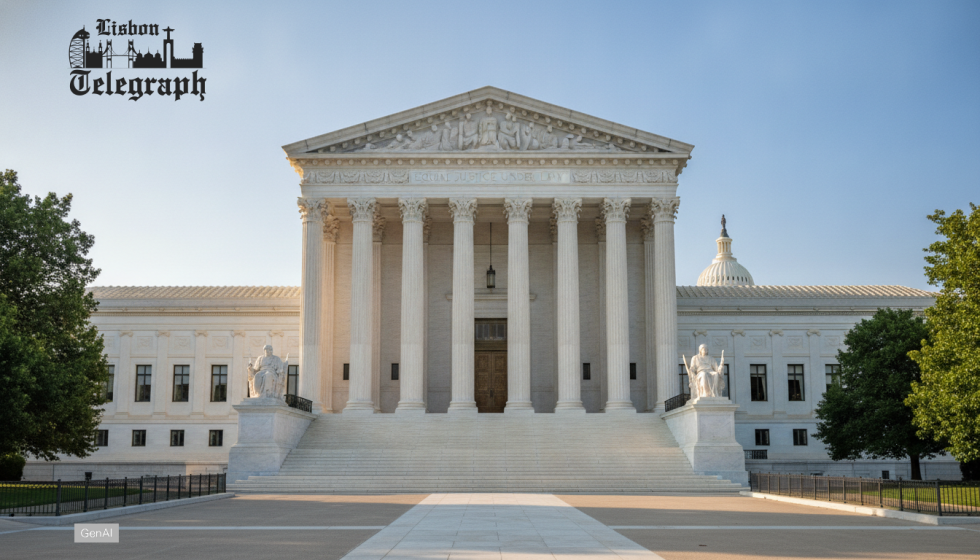
US Supreme Court decision: what the ruling does
Reports suggest the US Supreme Court decision tossed out a federal order. This order had limited citizenship for kids born in America to undocumented parents. Public coverage reportedly indicates the majority found the order clashed with common interpretations of the Fourteenth Amendment. The ruling implies that agencies can’t alter citizenship status with just administrative jargon. Future injunctions, as hinted reports, must align with the constitutional thinking outlined in the opinion. Implementation now falls to federal agencies, with potential for more legal battles. Legal observers say the outcome might tighten the screws on executive action, raising the odds of fresh challenges on how agencies implement the decision in daily operations, especially in Washington, D.C.
Legal reasoning and procedural timeline
Apparently, the court insisted citizenship doctrine stands on firm constitutional ground, not shifting agency norms. The Department of Justice, noted in public reporting, argued that the challenged approach veered from established interpretations of the Citizenship Clause. Observers point out, as coverage suggests, the majority opinion instructed lower courts to ensure any future relief aligns with the justices’ constitutional blueprint. This could limit how broadly injunctions are crafted. For a case of institutional power plays, check out Peter’s Pence appeal coverage. Analysts also say disputes here often pivot on records management and how agencies interpret constitutional holdings, tracked through filings from Washington, D.C.
Impact on agencies, passports, and documentation
Legal analysts suggest the ruling’s impact could shove agencies into immediate compliance work. If documentation standards shift, agencies might need to update processes for passports to sync with the court’s thinking. The Department of Homeland Security reportedly claims it will align cases with the ruling while lawyers mull over operational tweaks. These might include possible training revamps and inner reviews, according to quoted statements. Frontline offices may need a fresh look at birth records and eligibility for federal docs. As observers note, this decision doesn’t scrap enforcement power for illegal entry, but it might trim how citizenship decisions blend into broader enforcement plans, even at passport offices. Check out related policy on White House pressures in OpenAI GPT-5.6 release.
Political and public reactions in the United States
Coverage describes reactions as split across the board, with opinions hinging on constitutional clout and administrative boundaries. The White House, according to public statements, vows to follow through harmonizing procedures with the ruling. Congress chatter, rounded up political correspondents, suggests legislative pressure is on, given the judicial clampdown on administrative tweaks. Curious about broader political frictions? See UK politics coverage. Some state representatives reportedly plan to reassess litigation strategies after digesting the court’s rationale, fueling reactions from D.C. and beyond.
What comes next for citizenship litigation
Court watchers expect more pinpointed lawsuits prodding the implementation aspects. Agencies have to translate the court’s constitutional decree into actionable forms and training. Analysts say the practical outcome hinges on whether backlog issues ebb and whether courts iron out conflicting standards coast to coast. Legal minds anticipate a renewed focus on how lower courts draft injunctions post-ruling, as commentary on the decision notes. The UN, staying pragmatic, urges states to keep crucial services alive during legal chaos, captured in UN News reporting. For a taste of market reactions to U.S. policy, peek at Wall Street gains.