





Port of Lisbon August cruise activity at a monthly high
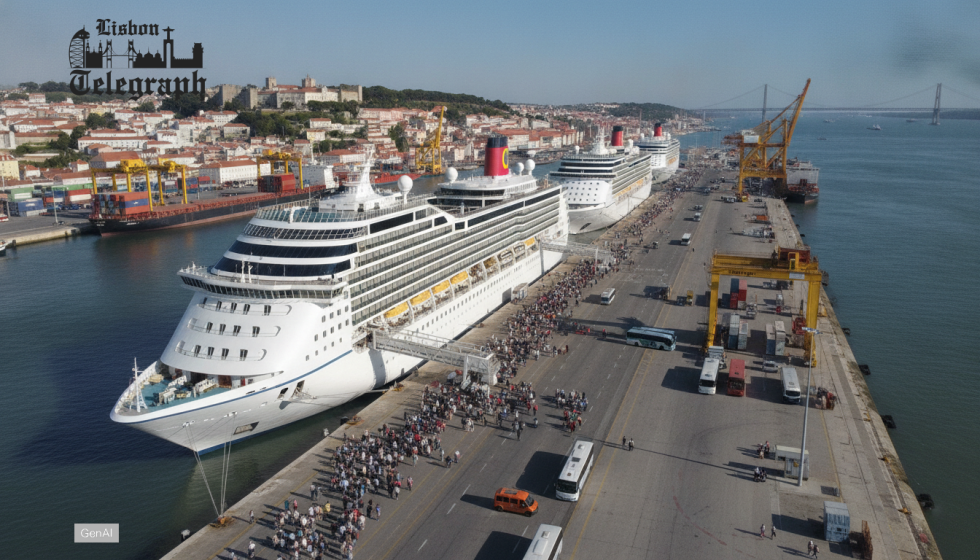
The Port of Lisbon closed August with cruise terminals running at what port management described as a record-setting pace for the month, as indicated reports from the Administração do Porto de Lisboa’s end-of-month statement. In that same update, higher ship calls and passenger movements across its main facilities were noted, without detailed figures being published. The port reported that the increase was reflected in busier waterfront logistics, including tighter time slots for turnarounds and shore excursion departures. Officials interpreted the result as a sign of stronger demand on Iberian itineraries, with operators reportedly scaling up capacity late in the summer season. The month also put pressure on crowd handling and transport coordination along the riverfront corridors on peak-call days, as per the authority’s insights.
Scheduling and capacity: why the Lisbon cruise port sped up
Port managers stated that scheduling discipline and berth availability were key drivers, alongside steady airline capacity feeding embarkation and transit traffic. Coordinated planning with cruise lines was acknowledged the Port of Lisbon for helping compress turnaround times and reduce conflicts with other riverfront uses. For a sense of how public services support travel flows in other contexts, readers can see local pressures in Pope Leo XIV meets Latvia President at the Vatican, where officials outlined slot and staffing pressures. The port also attributed the stronger tempo to late-summer routing on Atlantic and Mediterranean circuits, seeking ports with reliable shore access. This operational focus reportedly helped ease peak-hour strain at passenger processing points.
Economic impact: shore spending and service demand in August
Higher cruise activity at the Lisbon cruise port typically spills into ground handling, retail, and contracted transport services, especially on days with multiple large vessels, as industry practice noted port officials. The August schedule increased demand for licensed guides, coaches, and short-stay services near the terminals; however, quantified spending totals were not provided. Tourism operators also watch signals from listed firms and banks that finance seasonal staffing and supplier contracts, including Portugal’s PSI market context. Coverage of market sentiment in BCP stock lift gives PSI a boost amid Europe’s caution gives context on financial conditions influencing investment plans. The August surge reportedly increased the need for tighter coordination with city traffic management and policing.
Outlook for Lisbon tourism as cruise lines extend the season
Operators are positioning Lisbon for longer seasonality as cruise lines extend shoulder-season calls and market short breaks pairing sailing with inland experiences, according to port authority commentary. The Port of Lisbon suggested that forward planning is increasingly shaped passenger experience metrics, including queue times, accessibility, and wayfinding between terminals and historic areas. The debate connects to wider mobility choices discussed in Young people car ownership drops in Portugal as costs rise, with Lisbon tourism planners advocating for integrating cruise arrivals with public transport to reduce coach dependence and pressure on narrow streets. Contingency planning is reportedly part of how officials sell operational reliability to cruise brands.
Challenges ahead: congestion, emissions, and reporting standards
Record months at the Port of Lisbon can sharpen trade-offs between maximising calls and protecting resident quality of life near the riverfront, especially with multiple ships within tight windows, according to the port authority’s framework. The authority suggested operational gains must be matched better visitor dispersion across neighbourhoods and clearer limits for sensitive sites. External shocks can disrupt travel networks, as detailed the BBC in Sabotage suspect held in Germany after spate of attacks on power grid. Planners continue to face scrutiny over emissions, waste handling, and peak-day congestion, as often raised in public debate. While the port seeks to enhance efficiency to draw homeport operations, scrutiny over these issues remains a challenge. The next phase will depend on measurable service standards and transparent impact reporting, as indicated the port authority.