






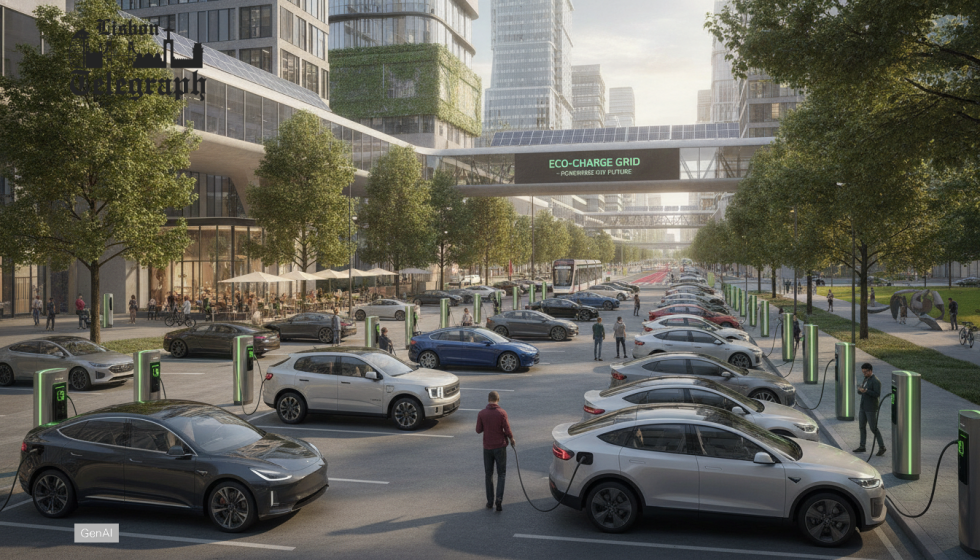
EU €24.7bn plan for electric vehicle infrastructure
Electric vehicle infrastructure is cruising into the spotlight of the EU transport transition. It seems grid capacity and curb connections are the hot topics, flagged industry gurus and policymakers. Portuguese business outlet ECO suggests €24.7 billion could be needed for a makeover to public charging and local electricity networks. The European Commission ties the charging rollout to broader Fit for 55 goals, nudging towards quicker deployment, inspired EU legislative whispers. Utilities want clearer rules when it comes to distribution upgrades and tariff dramas. Regulators are trying to balance speedy approvals with potential hits on household bills, a hot topic in the wider EU energy debates.
EV fleet growth is outpacing the charging buildout
The uptake of EVs is setting quite the challenge, shifting when and where electricity is needed, not just boosting charger numbers. According to ACEA, the infrastructure is lagging behind skyrocketing registrations and the rollout is uneven across member states. Market moods can shake up funding for these long projects; just check out the PSI index. This gap is influencing debates among national energy regulators, driven stakeholder chats and industry body announcements. Fuel prices, as mentioned in a BBC update, also nudge people towards electric options with petrol price hikes.
Permitting and grid connections are slowing projects
Bottlenecks are often blamed on red tape and tech glitches rather than just a lack of gear. Distribution system operators are groaning about the long waits for connections and upgrades, though it varies city. EU rules have been shifting around charger uptime and pricing transparency, aiming for a consistent user experience. Backlogs and delivery issues draw parallels in learner driver woes. For how institutions navigate the public eye, see Pope Leo XIV meets Latvia President.
Southern European cities face a curbside constraint
In Southern Europe, those charming historic centres and tourist waves make for a unique charging puzzle. Portuguese and Spanish cities are in talks about feeder upgrades and clustering chargers without cramping pedestrian spaces. Lisbon’s planners tie infrastructure rollout to changing habits and dropping car ownership among the young, mentioned in ownership trends. While fewer cars might mean more shared fleets needing charging hubs. Cities are eyeing dependable charging for taxis as low emission zones become reality.
Next steps to scale electric vehicle infrastructure sustainably
What’s next? Governance tweaks are in the works. Regulators want clearer roles among players, hinted at in EU discussions. Infrastructure expansion is banking on quicker permits and sharper data sharing to build where the queues really are, according to industry chats. Meanwhile, the buzzing topic of capital market plays in Portugal is captured the PSI index. The Commission encourages integrating charging into energy flexibility plans, as laid out in EU announcements. The signal for investors? Watch if plans translate into profitable ventures, beyond just grants.