






Selective waste collection: September rise in Portugal
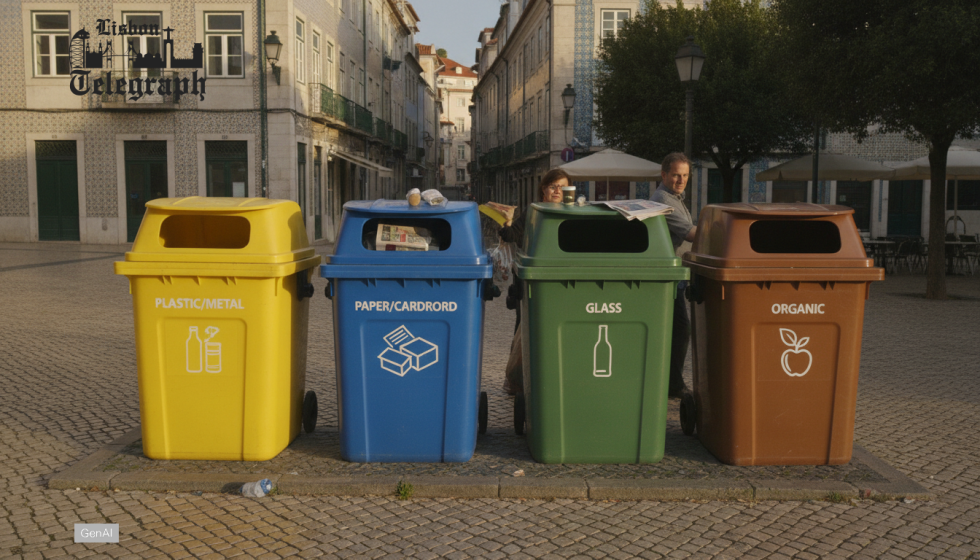
Selective waste collection in Portugal increased 1.1% through September, according to reports from packaging manager Sociedade Ponto Verde. Operators and municipal services noted the uptick might reflect steadier capture of light packaging and glass in municipalities that expanded door to door routes and reinforced bring bank coverage. They also pointed out that summer tourism can blur comparisons, with mixed waste volumes potentially rising alongside recyclables in peak months. Even with the September gain, the overall trajectory seems gradual, and sector leaders suggest the current pace may be insufficient to significantly shift national recycling performance as required.
What is driving selective waste collection gains
Service insiders indicate that small operational tweaks can lift capture without major new infrastructure. Extended door to door rounds, fuller container networks, and adjusted collection frequency could reduce overflow and improve convenience. Some intermunicipal systems mention growth may also link to outreach with commercial producers, particularly in the hospitality sector where packaging volumes reportedly spike. Oversight and data quality are recurrent themes in municipal briefings, reminiscent of Bank of Portugal: President Meets Governor on Oversight, indicating that auditability and standardization are crucial.
Targets and regulation pressures on selective waste collection
Portugal faces pressure from recycling targets under EU waste law, with discussions often revolving around diversion thresholds and sorting-plant rejection rates. On a related note about regulatory outcomes, UK crypto rules: 2027 compliance tests for NFT firms get cited as an example of enforcement architecture influencing behavior. Sociedade Ponto Verde highlights contamination from food waste and non-recyclable plastics as persistent challenges, reducing effective recycling even as tonnage increases. The challenge for Portugal is to meet targets without significantly raising household fees.
Year on year context: why the rise remains modest
Year over year comparisons give insight into why a 1.1% increase is seen as marginal, according to sector commentary. Analysts and municipal planners argue that post-pandemic recovery brought bigger jumps as municipalities restored full schedules, while recent gains have slowed, with easy participation improvements exhausted. Selective waste collection is often judged not only volume but quality indicators such as contamination and sorting rejections. Mid-cycle planning documents describe a plateau effect: further tonnage might require heightened participation or new capture routes like pay-as-you-throw models and stricter commercial monitoring.
Environmental impact and next steps for Portugal
Packaging capture affects resource use and disposal emissions, with improvements potentially impacting broader climate and circular economy issues, as noted the United Nations Environment Programme. The Global Resources Outlook 2024 emphasizes how circular material flows reduce pressure on primary resources. In Portugal, better recovery of paper, metals, and plastics can cut materials sent to incineration and landfill. Municipal stakeholders track national policy coordination, noting external engagements like Marco Rubio Portugal visit: Lisbon talks deepen ties. Current strategies focus on service design, enforcement, and feedback loops, such as standardized labeling and bin colors to minimize sorting errors. The coming phase will be judged on whether quality improves enough to meet EU targets.