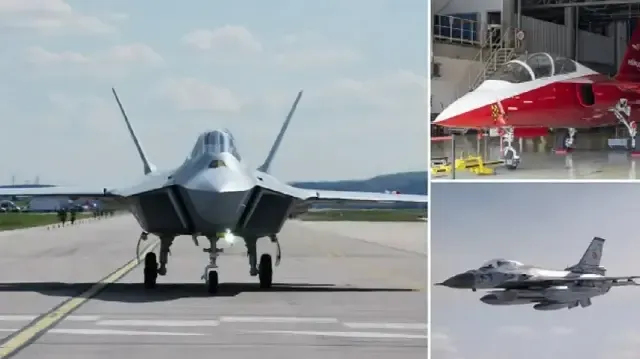
Türkiye is positioning 2026 as a strategic reset year, with defense and technology emerging as central pillars of its economic and geopolitical planning. Government priorities are increasingly focused on reducing external dependencies while boosting high value domestic production. This shift reflects Ankara’s broader ambition to strengthen resilience in a volatile global environment.
Defense spending is expected to remain a key focus. Türkiye has steadily expanded its domestic defense industry, investing in drones, naval platforms, armored vehicles, and missile systems. Officials view defense technology not only as a security imperative but also as a driver of exports and industrial growth.
The country’s defense sector has already become a notable exporter. Turkish made defense products are increasingly present in markets across Europe, Asia, Africa, and the Middle East. Policymakers see further growth potential as global demand for cost effective and adaptable systems continues to rise.
Alongside defense, technology investment is being framed as a long term economic engine. Türkiye is prioritizing areas such as artificial intelligence, semiconductors, cybersecurity, and advanced manufacturing. These sectors are viewed as essential for competitiveness and productivity gains across the wider economy.
Government backed incentives are expected to play a central role in this strategy. Support measures include research funding, tax advantages, and public procurement policies favoring domestic innovation. Officials argue that predictable policy support is necessary to attract private investment.
Education and workforce development are also part of the 2026 reset agenda. Expanding technical training and retaining skilled talent remain key challenges. Authorities aim to align universities, research centers, and industry more closely to meet evolving technology needs.
Türkiye’s technology ambitions are also tied to digital sovereignty. Reducing reliance on foreign software, hardware, and platforms has become a strategic objective. This approach is influenced global supply chain disruptions and growing geopolitical competition.
Private sector participation is critical to the plan’s success. Large industrial groups and startups alike are being encouraged to invest in defense and tech innovation. Partnerships between public institutions and private firms are expected to expand.
International cooperation remains part of the equation. While emphasizing self reliance, Türkiye continues to seek joint ventures and export partnerships. Balancing domestic capability building with global integration is seen as essential.
Market analysts note that execution will be decisive. Large scale investment requires fiscal discipline, regulatory clarity, and sustained political commitment. Without consistent follow through, ambitions could face practical constraints.
At the same time, risks remain. Global economic uncertainty, financing conditions, and regional tensions could influence outcomes. Managing these risks while pursuing ambitious goals will be a key test for policymakers.
Overall, the 2026 reset signals a clear strategic direction. betting heavily on defense and technology, Türkiye aims to reshape its economic structure and strengthen its global standing. The coming years will reveal whether this approach delivers the desired transformation.