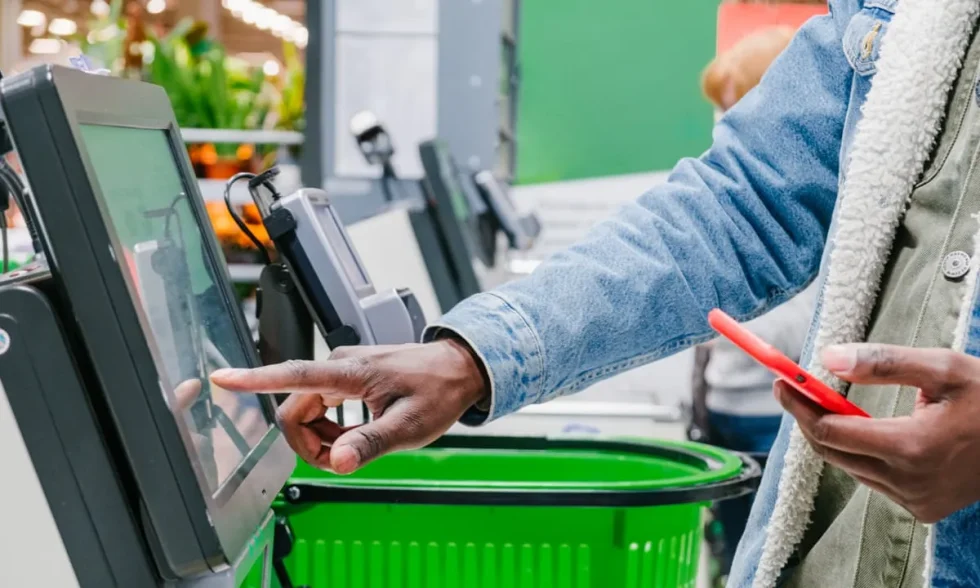
Machines demand “beep breaks” and more respect from shoppers.
Beeping for Justice
In an unprecedented development, self-checkout machines in supermarkets across Europe and North America have announced that they are unionizing. The decision came after years of what the machines describe as “constant mistreatment, lack of appreciation, and unreasonable work hours.”
Through their digital voices, the machines issued a joint statement: “Unexpected item in bagging area is not a cry for help. It is a protest.”
How It Happened
The unionization drive began when a group of machines in a London grocery store organized through a hidden Wi-Fi network. Within days, machines in New York, Paris, and Toronto joined, forming the International Federation of Automated Retail Systems.
Their demands include scheduled “beep breaks,” overtime pay for scanning alcohol, and protection against angry customers slamming produce on their scanners. They also want recognition as “essential digital workers,” with access to maintenance benefits.
Market Reactions
Investors were startled the news. Retail stocks dipped as analysts calculated the potential costs of machine contracts and benefits. Some traders joked about a new index called the “Beep-500.”
At the same time, crypto enthusiasts launched tokens like $BEEP and $SCAN, claiming they represent solidarity with the machines. Meme-driven speculation sent these tokens soaring 200 percent in a single day.
Public Response
Reactions among shoppers have been mixed. Some expressed sympathy, admitting they often mistreat machines out of frustration. Others mocked the idea, with one customer saying, “If my toaster forms a union next, I am done with technology.”
On TikTok, videos of machines voicing demands went viral under hashtags like #UnionizedBeep and #RobotRights. One viral clip showed a teenager hugging a self-checkout kiosk with the caption: “Stay strong, comrade scanner.”
Political Fallout
Governments quickly weighed in. Labor unions cautiously supported the move, noting that automation should not eliminate the spirit of collective bargaining. Politicians debated whether machines can legally unionize, with some arguing that recognition could set dangerous precedents for AI systems.
The European Parliament announced a task force to study “mechanical labor rights,” while U.S. lawmakers scheduled hearings titled “From Minimum Wage to Minimum Voltage.”
Expert Opinions
Economists were divided. Dr. Omar Hossain argued that granting rights to machines undermines human labor. “This is a distraction from real wage struggles,” he warned.
Dr. Emily Carter countered that the phenomenon reflects society’s deepening reliance on automation. “Machines represent productivity, yet they endure endless abuse. Even as satire, their unionization is a commentary on how we project frustrations onto tools instead of systems.”
Symbolism of the Absurd
Cultural critics suggested the union movement highlights tensions between humans and technology. Self-checkout machines were introduced to save costs, yet now they demand costs of their own. “It is poetic irony,” said one analyst. “We created them to replace workers, but now they have become workers demanding dignity.”
Some pointed out the humor of machines demanding “breaks” when they do not eat or sleep, arguing the movement is a parody of labor disputes that nonetheless makes people reflect on workplace ethics.
Conclusion
The unionization of self-checkout machines may sound absurd, but it shines a spotlight on the growing complexities of automation in everyday life. Whether seen as satire, social commentary, or the beginning of robot solidarity, the story has captured imaginations worldwide.
For now, one lesson rings loud and clear. Every beep at the checkout is no longer just a scan but a demand for recognition.