António Costa on NATO European Security priorities
António Costa has zeroed in on NATO European Security as Portugal’s main pitch to allies. In his view, diplomacy holds better when backed credible deterrence, as indicated reports of his public statements. Against the backdrop of Europe’s changing threat landscape since Russia’s all-out assault on Ukraine in 2022, Costa frames alliance readiness as a must for protecting citizens, keeping trade routes open, and fending off coercion against member states. He has highlighted the need for concrete commitments like usable forces and sustained investment over mere statements, according to the same commentary. The core idea is that the alliance needs to keep up with today’s rapid decision timelines and operational demands.
Why NATO matters for EU security and deterrence
In Lisbon’s policy circles, NATO shines for its integrated command structure and collective response plans, turning political camaraderie into tangible defence, as suggested reports. Costa ties NATO European Security to assured reassurance, especially for allies nearest to the eastern border, while maintaining deterrence under democratic guidelines through consensus. This legitimacy matters during elections and budget talks, where commitments need clear explanations to voters. For a broader perspective on how European leaders present unity publicly, see Pope Leo XIV Easter message: unity and peace in Barcelona.
Common threats shaping NATO planning in Europe
European security experts often mention overlapping threats, from conventional risks to cyber hits on major infrastructure, plus disruptions in energy and maritime channels. In public remarks reportedly supported allies, Costa connects NATO European Security to resilience planning, treating ports, communications, and transport corridors as defence ready rather than just civilian zones. The war in Ukraine underscores urgency in these discussions, with President Volodymyr Zelensky repeatedly seeking continued support from allies, as covered the BBC in Zelensky thanks UK for ‘ironclad’ support after meeting King. For more regional context on the conflict’s evolution, see Moscow airstrikes intensify across Ukraine’s cities, while allied debates continue examining implications for European readiness.
EU and NATO cooperation to boost capabilities
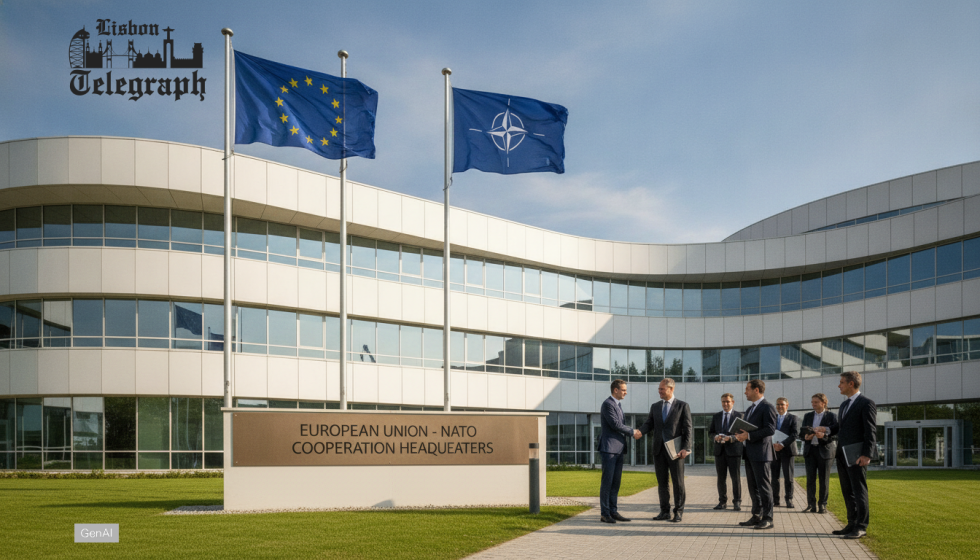
EU cooperation is being increasingly portrayed European officials as crucial for NATO, providing joint planning capabilities like military mobility and procurement. In this framework, Costa argues that duplication is less risky than capability gaps, emphasizing that standards and interoperability need to align so spending turns into real power, according to accounts of his remarks. The EU’s arsenal, from sanctions enforcement to cross-border infrastructure funding, is often cited officials as a way to up the cost of aggression while enabling quick reinforcement. Lisbon’s wider agenda, including enlargement and political coherence, also defines the strategy, evident in EU-Balkans summit plots speedier EU entry.
What comes next for NATO European Security
Looking ahead, Costa suggests that credibility hinges on action, not statements, especially concerning spending and stockpiles that are sustainable over the years, according to available commentary. He calls on governments to view global threats as ongoing, which might shift how parliaments justify procurement and readiness, amidst fragmented domestic politics. In this narrative, NATO European Security sets the standard for whether Europe can deter coercion while keeping diplomatic channels alive. The immediate challenge is allied unity under strain; the long-term goal is to tie defence back to democratic accountability, with clear objectives and measurable results that renew public agreement.