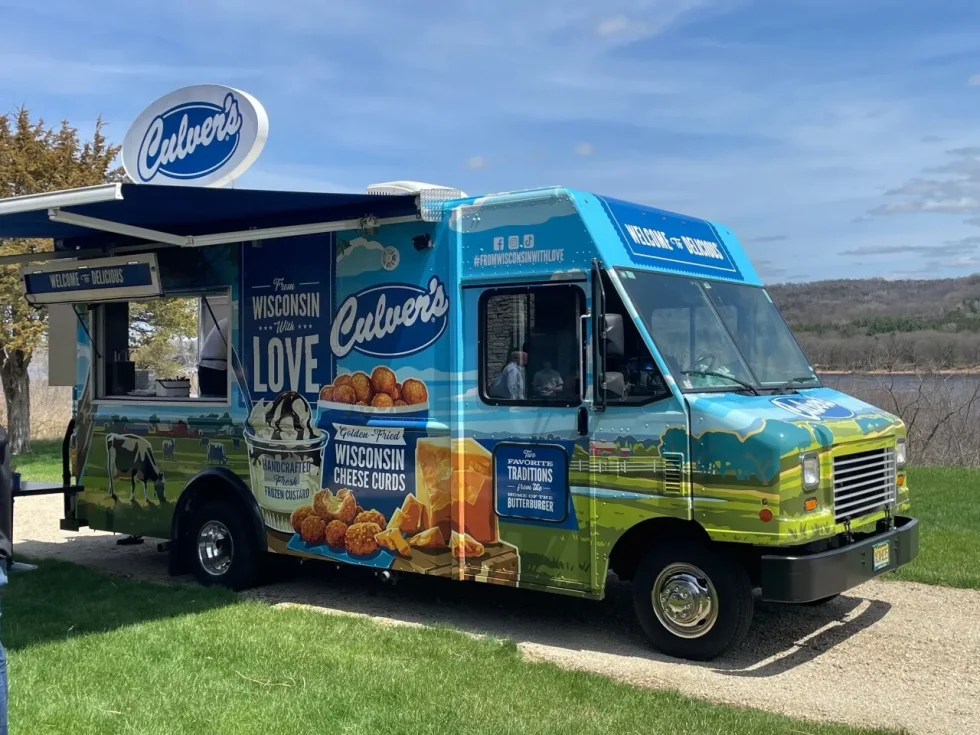
Delegates praise taste, ignore emissions.
An Irony on Wheels
This year’s international climate summit was meant to showcase sustainability, but headlines took a comedic turn when it was revealed that all catering came from gas-powered food trucks idling outside the venue. Instead of solar kitchens or plant-based innovation labs, delegates queued for cheeseburgers, fried chicken, and deep-fried desserts cooked over roaring diesel generators.
Organizers defended the choice, claiming food trucks offered “flexibility and cultural diversity.” Critics pointed out that carbon monitors outside the summit recorded spikes rivaling small power plants.
How It Works
Dozens of brightly painted food trucks lined the convention center, each powered large gasoline engines running throughout the day. Menus proudly advertised items like “Carbon Crunch Burgers” and “Fossil Fuel Fries.” Delegates received vouchers with their registration, redeemable for combo meals featuring sodas chilled humming generators.
To offset emissions, organizers distributed coupons for future tree-planting initiatives. Each burger was paired with a QR code promising a sapling “somewhere on Earth.”
One insider admitted the trucks were chosen because they were cheaper than hiring a green-certified caterer.
Market Reactions
Markets responded with sardonic amusement. Shares in fast-food chains rose slightly after social media buzz drove publicity. Carbon offset companies also saw a surge in demand as summit organizers scrambled to purchase credits. Meme traders created tokens like $BURGERCOIN and $GASFRY, briefly surging in price.
Analysts debated whether the summit’s irony would undermine confidence in climate commitments. One hedge fund manager quipped, “If the fight against emissions is powered food trucks, maybe investors should buy stock in ketchup.”
Public Response
The public reaction was explosive. TikTok is filled with videos of delegates eating greasy meals while discussing carbon neutrality; hashtags like #FryThePlanet and #DieselDiplomacy are trending worldwide.
One viral meme depicted a delegate holding a burger with the caption: “Net zero, but not net calories.” Another showed smoke billowing from food trucks under the slogan: “Cooking up climate change.”
Protesters gathered outside, chanting that the summit was a “cookout for hypocrisy.” Some activists handed out salads powered bicycles as a counter-demonstration.
Political Fallout
Governments quickly distanced themselves from the catering fiasco. A European commissioner called it “a failure of symbolism.” In the United States, opposition lawmakers mocked the hypocrisy, declaring, “Even climate talks run on fossil fuels.”
Organizers attempted damage control promising that next year’s summit would feature renewable-powered kitchens. Still, leaked emails suggested officials had knowingly chosen food trucks to avoid negotiating over dietary preferences.
Environmental groups condemned the choice as undermining decades of advocacy. “If leaders cannot commit to green catering, how can they commit to net zero 2050?” one NGO asked.
Expert Opinions
Economists weighed in on the absurdity. Dr. Omar Hossain criticized the summit. “This demonstrates the gap between rhetoric and action. Carbon neutrality cannot be achieved with burgers grilled over diesel engines.”
Dr. Emily Carter offered a symbolic reading. “The absurdity highlights how climate politics often collapses under convenience. Delegates want change, but not if it interrupts lunch.”
Nutritionists chimed in too, warning that greasy meals undermined both planetary and personal health. “If policymakers eat like this, they may not live to see net zero,” one expert said.
Symbolism in the Absurd
Cultural critics argued that the food truck debacle symbolizes the contradictions of modern climate action. “We preach green revolutions, but practice greasy convenience,” one columnist wrote. “It is the perfect metaphor for empty promises.”
Satirists thrived. Cartoons showed polar bears driving food trucks to summits. Comedy shows joked about emissions being measured in burgers per minute
Conclusion
The climate summit’s reliance on gas-powered food trucks may sound like parody, but it underscores real tensions between ambition and action. While speeches promised net-zero futures, lunch breaks filled the skies with fumes.
In 2025, the greatest threat to climate diplomacy may not be rising seas or melting ice caps, but the smoke rising from the grill outside the convention hall.