






Intro
The latest UEFA Champions League fixtures delivered high drama and stunning performances as PSG and Manchester City secured their spots in the quarter-finals. With goals, tactical masterclasses, and unexpected twists, fans across Europe were treated to football at its finest. The victories reflect the strategic prowess of both clubs, the depth of their squads, and the ongoing battle for supremacy in Europe’s most prestigious club competition.
Body
Paris Saint-Germain’s Dominance
PSG faced a challenging opponent but showcased a combination of flair and efficiency. Lionel Messi, Neymar, and Kylian Mbappé combined in an attacking trident that overwhelmed defenders. Messi opened the scoring in the 22nd minute with a perfectly executed free kick, while Mbappé doubled the lead before halftime, capitalizing on a defensive lapse.
PSG’s midfield, led Marco Verratti, controlled possession, dictating the tempo and enabling rapid transitions. The defensive line, anchored Marquinhos, successfully neutralized counter-attacks, demonstrating tactical discipline. PSG’s approach combined creativity with structure, reflecting coach Luis Enrique’s balanced game plan.
Manchester City’s Tactical Brilliance
Manchester City’s victory was marked precision and efficiency. Kevin De Bruyne orchestrated play from midfield, providing key passes and creating goal-scoring opportunities. Erling Haaland scored twice, emphasizing City’s attacking strength and lethal finishing.
City maintained 68 percent possession and executed high pressing that forced turnovers, illustrating the tactical evolution of Pep Guardiola’s squad. Defensively, Ruben Dias and John Stones provided stability, absorbing pressure and launching counter-attacks. The result cements City as a serious contender for the Champions League title.
Statistical Highlights
Across both matches:
- PSG recorded 57 percent possession with 11 shots on target.
- Manchester City had 68 percent possession and 14 shots on target.
- Goal conversion rates, pass completion, and defensive interceptions underscored the efficiency and tactical awareness of both clubs.
These statistics demonstrate that technical execution, rather than luck, played a decisive role in determining the outcomes.
Fan Reactions and Social Buzz
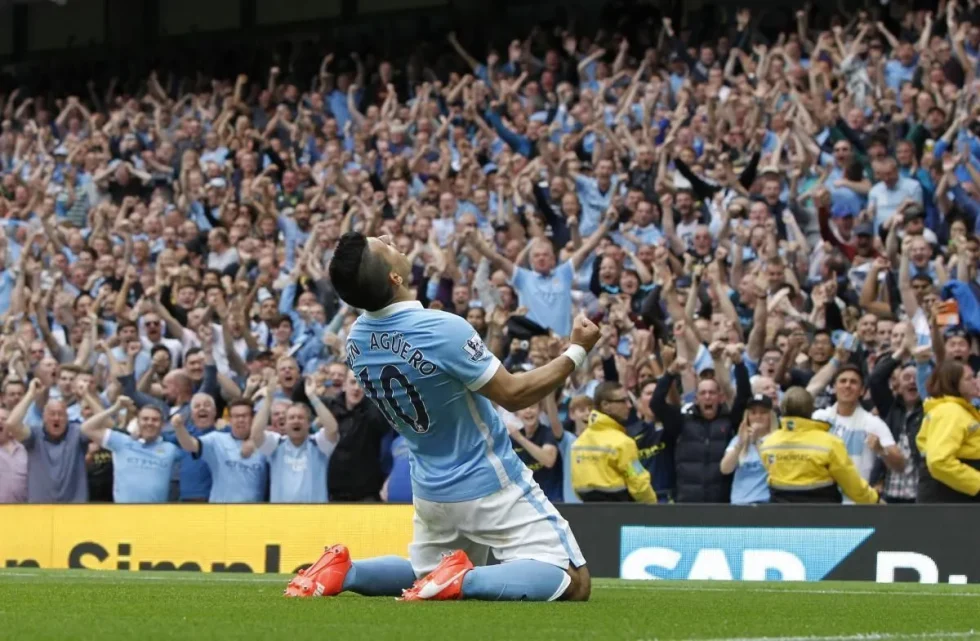
Fans took to social media to celebrate highlights, debate referee decisions, and analyze tactical nuances. Memes and short-form videos proliferated across Instagram, Twitter, and TikTok, reflecting the Gen Z engagement with European football. Stadiums erupted as fans cheered, waved banners, and celebrated goals in an atmosphere of excitement and camaraderie.
Economic and Sponsorship Implications
High-profile Champions League victories boost commercial interests significantly. Both PSG and Manchester City benefit from merchandise sales, broadcast revenue, and sponsorship visibility. Advertisers, global sports brands, and digital media platforms gain exposure through these iconic performances, underlining the link between on-field success and off-field economics.
PSG’s partnership with luxury brands and City’s sponsorship deals benefit directly from positive visibility, increasing brand equity and reinforcing their global presence. The Champions League remains a platform where sporting performance and commercial opportunity intersect.
Player Development and Future Prospects
These fixtures showcased emerging talent alongside established stars. Young players gained valuable experience under high-stakes conditions, enhancing squad depth for future competitions. Coaches must balance player rotation, injury management, and tactical experimentation to sustain performance across domestic leagues and European campaigns.
The outcomes also shape the strategic landscape for upcoming transfer windows, as clubs assess strengths, weaknesses, and potential reinforcements.
Implications for the Quarter-Finals
With PSG and Manchester City advancing, the quarter-finals promise intense matchups. Analysts expect tactical battles, dynamic attacking play, and defensive resilience to determine who progresses further. Teams like Real Madrid, Bayern Munich, and Liverpool remain contenders, setting the stage for a compelling narrative in the competition’s next stage.
Looking Ahead
Fans and analysts are already speculating on possible pairings, strategies, and outcomes for the quarter-finals. The excitement extends beyond the pitch, influencing fantasy leagues, media coverage, and global fan engagement. European football continues to combine athletic excellence with entertainment, creating moments that captivate audiences worldwide.
Conclusion
PSG and Manchester City’s victories in the Champions League round-of-16 exemplify the combination of skill, strategy, and squad depth necessary for European success. The matches offered thrilling football, impressive statistics, and a showcase of star talent. Beyond the pitch, the wins reinforce commercial and sponsorship dynamics, highlighting the intersection of sports, economy, and fan culture. As the competition progresses, fans can expect more drama, stunning goals, and narratives that define the European football season.


