





Wall Street Roars after Midterm Shake-Up
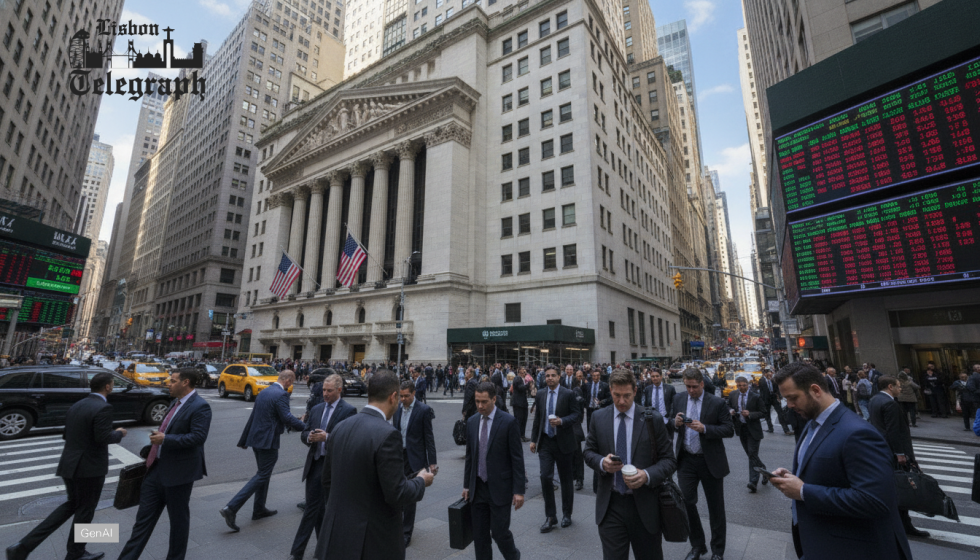
The Wall Street surge seemed to follow US midterm results with investors appearing to reassess political risk, which may explain why major indexes climbed, as suggested market voices. Observers noted what they saw as a relief move centered on liquidity more than a big change in the macro outlook. late morning, leadership appeared to swing toward cyclicals and rate sensitive shares as some buyers returned and depth improved—again, according to available reports. Speculation suggested the next major influence could be central bank guidance, leading to cautious positioning even as prices went up. Options activity appeared to signal demand for participation, with investors carefully adding exposure while maintaining some protection, based on flow discussions. This surge was seen as tactical, with managers pondering if the post-election vibe could last through upcoming inflation and earnings updates, a usual worry.
Oil Price Dip Shifts Focus
Energy markets seemed to be pulling leadership in new directions with crude reportedly falling significantly, steering attention to consumers and transport, as per market chatter. The oil drop could matter for rates traders as they gauge how headline inflation expectations might ease and its effect on future policies indicated the Federal Reserve. As for the policy background, some investors looked at how energy disinflation might shape upcoming decisions, referencing the outdated October 28, 2026 Federal Reserve FOMC statement. Meanwhile, a fiscal perspective on risk pricing emerged in UK Budget 2026: Healey plan on bills and bank tax. Reportedly, some accounts tilted toward defensives, while others went for growth beyond one sector. Observers pointed to the Wall Street surge as indicating a potentially more stable rotation intraday.
Investor Sentiment and Positioning
Positioning indicators hinted that portfolios were defensively set ahead of the vote but were forced to chase once breadth improved, if market participants are to be believed. The session was described as rotation-led more than purely index-driven, with futures and single stock options reportedly seeing heavier participation—based on desk observations rather than published data. This narrative was said to coincide, according to managers, with a preference for quality balance sheets, while those with high leverage lagged due to sensitivity to refinancing risk. Some managers compared this tone with previous drawdowns seen in Nasdaq Decline Deepens as Tech Stocks Sink Wall St, arguing sentiment was less fragile despite higher rates. Cross-asset desks reportedly emphasized measured sizing and time horizon discipline, based on trader notes. Many were watching whether volume and advance/decline data might confirm follow-through in coming days, as technicians suggest.
Geopolitical and Policy Factors
According to strategists, political outcomes could affect expectations for oversight, defense spending, and sanctions, impacting energy flows and risk premiums. They distinguished between domestic gridlock and external dynamics, noting crude actions might reflect factors beyond Washington. Some analysts indicated that agency scheduling signals and regulatory timelines were bigger drivers than campaign chatter, with Washington seen as the main policy hub. Investors, it is said, are monitoring allies’ interpretations of a divided Congress on trade and tech controls, according to policy watchers. The interplay between oil prices and geopolitical risk can shift quickly, so the buzz was on scenario planning rather than betting the farm, as trader guidance highlights. For portfolios, focus was on positions able to withstand sudden volatility, typical advice from risk teams.
What’s Next for the Rally
The next chapter for equities seems to hinge on whether earnings revisions stabilize and if inflation data bolsters a disinflation story linked to cheaper energy, based on current commentary. Rates teams stressed that a single risk-on session can’t undo tightened financial conditions, but it might reset positioning and market function, according to traders. In this context, the rally was framed as a shift toward perceived policy clarity combined with sector-specific benefits from lower fuel costs, as portfolio managers shared. Managers pointed to guidance quality, margin strength, and the speed of cost pass-through if input prices rise. Volatility pricing hinted at a willingness to pay for protection while selectively gaining exposure, based on observations rather than hard data. The immediate test, as technicians put it, will be follow-through on volume and breadth rather than just the headlines.