Markets briefly rally around “Milk, Eggs, Cereal Inc.
Alexandra Chen | Stablecoin & Regulation Analyst
A Breakfast-Fueled Market Rally
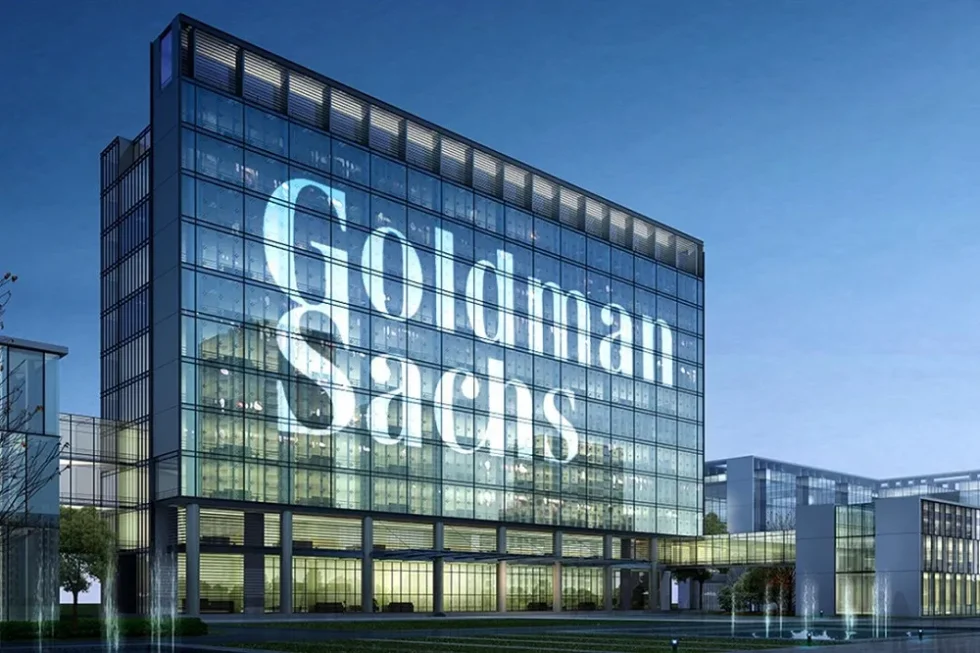
Wall Street erupted in confusion this week after Goldman Sachs mistakenly filed an IPO prospectus based on an intern’s grocery list. The filing, labeled “Milk, Eggs, Cereal Inc.,” was submitted to the Securities and Exchange Commission as part of the bank’s quarterly offerings.
Within hours, traders scrambled to buy shares of what they assumed was a disruptive consumer goods startup. Stock prices surged as analysts issued glowing reports on “the untapped breakfast market.” the time the error was discovered, the fictional company had reached a paper valuation of $18 billion.
How It Happened
According to insiders, the mix-up began when a summer intern saved a personal shopping list in the wrong folder. The list, which included items like “2% milk,” “organic eggs,” and “Frosted Flakes,” was accidentally formatted into an IPO filing template. Automated systems then pushed it into the SEC pipeline without human review.
When regulators questioned the vague financials, Goldman executives insisted the startup was operating in “stealth mode.” One banker reportedly said, “Disruption always begins in the kitchen.”
Market Reactions
Markets initially embraced the filing with uncritical enthusiasm. Hedge funds raced to accumulate shares of the non-existent company, citing consumer demand for “essential breakfast infrastructure.” Meme traders on Reddit hailed it as the next unicorn, launching tokens like $CEREAL and $MILKCOIN.
Food conglomerates saw stock bumps as investors speculated about mergers with the mysterious new entrant. Even agricultural futures were briefly impacted, with egg and grain prices spiking.
One hedge fund analyst later admitted, “We believed Milk, Eggs, Cereal Inc. had a better business model than half the companies we usually invest in.”
Public Response
The public response was both amused and outraged. Social media exploded with hashtags like #BreakfastIPO and #CerealEconomy.
One viral meme showed a cereal box with a stock ticker printed on it. Another depicted traders frantically buying eggs at grocery stores as if they were shares.
Some citizens mocked the gullibility of investors. “If Wall Street will throw billions at a grocery list, maybe they should fund my fridge too,” one commenter joked. Others worried the fiasco revealed how easily markets could be manipulated.
Political Fallout
Lawmakers quickly seized on the incident. A European commissioner ridiculed Wall Street for “valuing cereal boxes more than climate solutions.” In the United States, senators demanded hearings into whether financial institutions had grown too careless.
Regulators reassured the public that no real money changed hands, though they admitted the filing exposed vulnerabilities in oversight systems. “If an intern’s shopping list can pass for an IPO, our review process needs serious reform,” one official said.
Goldman Sachs issued a brief apology, blaming “clerical misalignment” and promising to review filing protocols. The intern reportedly received a job offer from several startups impressed with their accidental billion-dollar creation.
Expert Opinions
Economists offered contrasting takes. Dr. Omar Hossain condemned the fiasco. “This proves financial markets are detached from reality. If eggs can create an $18 billion company overnight, something is fundamentally broken.”
Dr. Emily Carter suggested the absurdity held a deeper meaning. “While ridiculous, the episode reflects truth. Food is the ultimate commodity. If markets confuse groceries with startups, it may be because both are essential and speculative.”
Behavioral finance experts argued that the case illustrates herd mentality. “Investors saw buzzwords like ‘organic’ and ‘supply chain’ and assumed legitimacy,” one researcher explained.
Symbolism in the Absurd
Cultural critics framed the event as the perfect metaphor for Wall Street. “Investors will pour billions into anything with a ticker symbol,” one columnist wrote. “A grocery list simply made that literal.”
Satirists thrived. Cartoons showed traders in suits fighting over cereal boxes. Comedy shows staged sketches where bankers debated the strategic value of buying milk in bulk.
Conclusion
The accidental listing of an intern’s grocery list as an IPO prospectus may sound like parody, but it underscores the absurd vulnerabilities of global finance. When markets rally around “Milk, Eggs, Cereal Inc.,” the line between investment and imagination grows dangerously thin.
In 2025, the future of Wall Street may not rest on innovation or strategy but on who forgets their grocery list in the wrong folder.
Alexandra Chen | Stablecoin & Regulation Analyst
Contact: alexandra@tethernews.net