Introduction
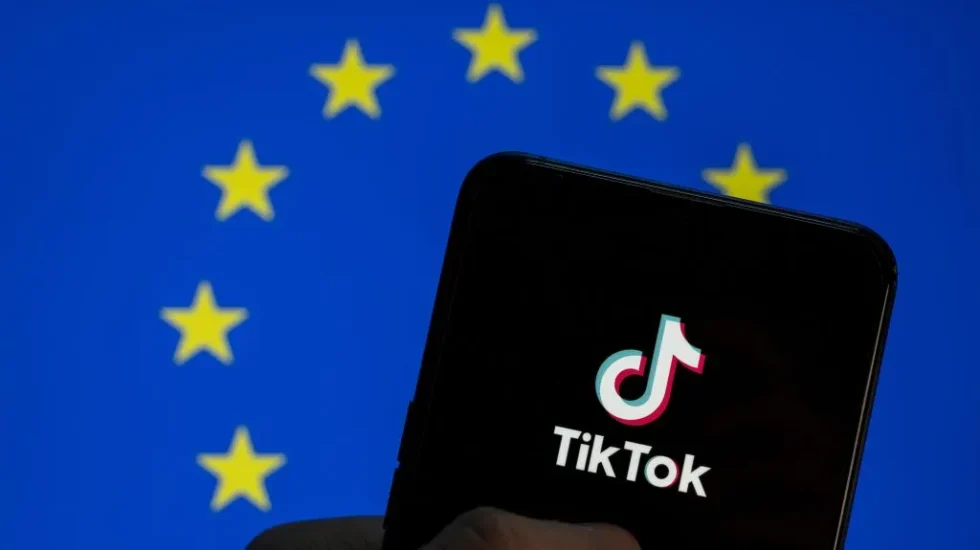
The European Union has decided that long pages of economic reports filled with graphs and jargon are no longer effective in reaching citizens. Instead, Brussels officials announced that the next economic report will be delivered entirely through TikTok dances. The move, described as a groundbreaking attempt at transparency, has shocked economists, entertained younger audiences, and sparked ridicule across Europe. While the EU insists this is a way to make complex policies accessible, critics say it turns the continent’s financial challenges into a dance routine.
Why TikTok became the chosen medium
The European Commission explained that young Europeans no longer read traditional documents or watch long press conferences. Instead, they scroll TikTok for updates on news, culture, and even financial advice. To stay relevant, Brussels has decided to meet them where they are. Officials suggested that short videos with synchronized choreography could simplify difficult messages about inflation, deficits, and bond markets.
In one leaked rehearsal clip, bureaucrats were seen practicing a dance that involved pointing upward during GDP growth forecasts and dropping to the floor when discussing debt levels. Another routine included dramatic turns to symbolize exchange rate volatility.
Public reaction to the announcement
The announcement quickly went viral. TikTok users across Europe created parody versions before the official dances were even released. Portuguese students filmed themselves mimicking central bankers adjusting interest rates spinning in circles, while Spanish comedians choreographed rising rent prices with repeated jumps.
Supporters of the plan argued that at least people are now paying attention. For years, economic forecasts have been published with little public engagement. moving to TikTok, the EU has ensured that even those who avoid news are exposed to some version of the message. Critics, however, accused the Commission of trivializing serious issues. A German newspaper asked whether unemployment figures would now be expressed through breakdancing.
Portugal’s own spin on EU dance economics
In Lisbon, officials wasted no time in localizing the idea. Portuguese economists suggested a fado inspired TikTok dance that shows inflation rising through slow hand gestures before collapsing in dramatic fashion. Landlords joked they would explain rent increases dancing with stacks of pizza boxes. Tourism companies proposed new ads where hotel discounts are communicated through viral dance moves instead of brochures.
The public response in Portugal was a mix of laughter and cynicism. Many saw the humor in watching officials attempt awkward choreography while delivering serious forecasts. Others felt it reflected the growing disconnect between Brussels elites and ordinary Europeans struggling with rent, wages, and food prices.
The economics of dance communication
Experts say the move to TikTok reflects the growing role of entertainment in politics. Just as memes have influenced elections and market movements, dances may now influence perceptions of fiscal stability. Analysts pointed out that the EU does not actually expect citizens to learn precise percentages from choreography. Instead, the aim is emotional. If the dance looks upbeat, people will feel optimistic about growth. If it looks heavy, they will sense caution.
In this way, the dances become another form of political theater. Instead of reading tables of numbers, citizens receive a mood about the economy. Optimists say this could even help stabilize markets shaping consumer confidence. Skeptics argue it risks oversimplifying complex problems.
Potential risks of the TikTok approach
The most obvious risk is misinterpretation. A dance that was meant to signal mild inflation could be read as a full blown crisis if the choreography looks chaotic. Traders might misread a body spin as a sign of currency collapse and trigger panic selling.
Cultural differences could also create confusion. A move that means optimism in France might be seen as sarcasm in Portugal. Some dances may even offend, as certain gestures carry different meanings across member states. The Commission has promised to test choreography with focus groups before releasing it to avoid such blunders.
Another risk is credibility. Economists worry that reducing decades of research to dance routines will undermine trust in institutions. Citizens may start to see Brussels not as a serious policymaker but as a content creator competing for likes. Once credibility is lost, even accurate forecasts might be dismissed as parody.
Portugal’s dance advantage
If any country is prepared for dance based economics, it is Portugal. With a rich tradition of music, festivals, and online humor, the Portuguese are well equipped to interpret choreographed messages. Lisbon TikTok creators already began posting satirical versions of EU forecasts, such as students dancing around an empty fridge to represent inflation and high rents.
Economists in Portugal admitted that while the dances lack numbers, they capture the emotional truth of economic life better than reports. A person who sees a landlord dancing with euro notes understands the rent crisis instantly, even without knowing the percentage increase.
Could this actually work
Surprisingly, some communication experts believe the experiment could succeed. Emojis and memes already dominate public discussion of the economy. TikTok dances may simply be the next step in making complex topics relatable. For younger generations, a viral dance could carry more influence than a 200 page PDF.
Still, the question remains whether citizens will actually trust these performances. Entertainment might grab attention, but sustained trust requires accuracy and accountability. If TikTok dances are used as a summary but supported detailed documents for experts, the system could balance fun with rigor.
Conclusion
The EU’s decision to release economic forecasts through TikTok dances marks a turning point in political communication. It reflects both the desire to engage younger audiences and the fear of being ignored in a digital world. For Portugal, it provides endless material for satire, memes, and cultural adaptation.
Whether this innovation will strengthen transparency or reduce policymaking to performance art remains to be seen. For now, Europeans can look forward to watching officials dance their way through deficits, inflation, and growth forecasts. Brussels may have just invented a new form of economic theater where numbers are replaced choreography and trust is measured in likes.