Portugal is entering a new phase of technological expansion as international data center investors deepen their presence across the country. The rapid growth reflects Portugal’s rising importance in the European digital economy, but it is also exposing significant pressure on the national energy grid. Policymakers now face the challenge of supporting innovation while protecting energy stability.
Industry projections show that Portugal’s data center market could contribute billions of euros to national output over the next decade. Thousands of highly skilled jobs are expected to emerge as new campuses take shape along the Atlantic coast. Many of these facilities aim to support cloud computing, artificial intelligence and large scale digital workloads that require reliable power and resilient infrastructure.
The scale of energy demand linked to these projects is becoming one of the country’s most urgent concerns. Data centers are expected to require several terawatt hours of electricity the early 2030s. This level of consumption rivals that of major urban regions and places new stress on Portugal’s transmission system. European grid specialists have also warned that the continent as a whole is struggling to integrate the fast growing electricity needs of emerging digital industries.
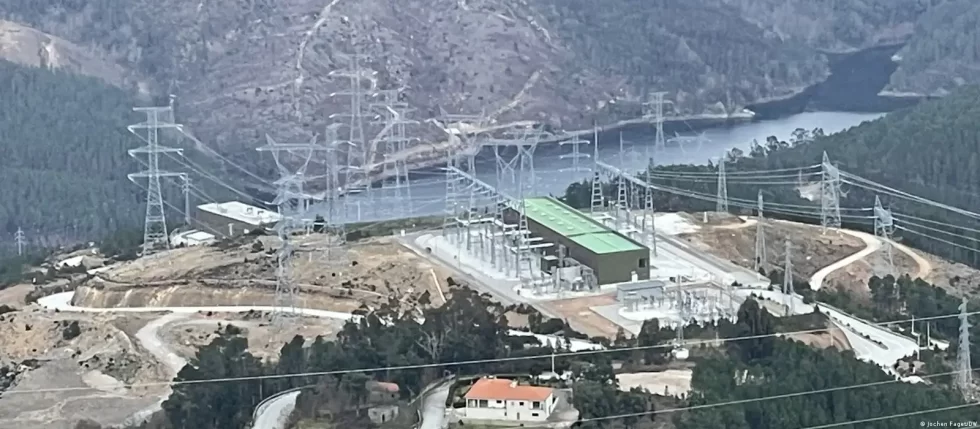
Portugal has made major progress in renewable energy production and frequently generates enough green power to cover most domestic demand. Even so, accommodating several large data center campuses requires targeted upgrades in key regions. Grid operators have pointed to coastal substations that need reinforcement, along with new lines and backup solutions that ensure stable supply during peak demand.
Environmental regulators are also stepping in with new requirements. Many of the upcoming facilities must adopt advanced cooling systems, water saving technologies and heat reuse projects that feed excess warmth into local networks. These measures are designed to reduce ecological impact while keeping long term operating costs manageable for developers.
The government is moving forward with a national strategy focused on faster licensing, energy efficiency incentives and increased coordination with European partners. Officials argue that modernising the national grid is essential for Portugal to compete with larger digital hubs across the EU. Recent power disruptions have reinforced calls for additional investment and stronger cross border energy cooperation.
A shortage of specialised talent has become another pressure point. Companies are seeking electrical engineers, cooling experts, cybersecurity analysts and operations managers at a pace that exceeds the current supply. Universities and technical institutes are expanding STEM programmes, but many companies still rely on international recruitment to fill critical roles.
Portugal now stands at a pivotal moment. The country has the chance to establish itself as a central digital gateway for Europe and the Atlantic. Success will depend on how quickly energy infrastructure, workforce development and environmental safeguards can keep pace with the rising ambitions of the data center industry.