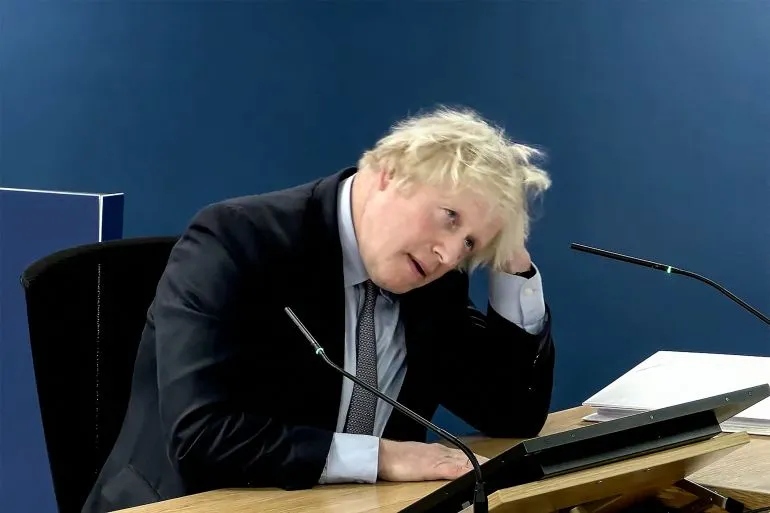
A public inquiry has found that a chaotic and disorganised culture inside the UK government contributed to a higher number of COVID related deaths during the early months of the pandemic. Testimony from senior officials described an environment marked slow decision making, internal disputes and inconsistent communication.
The report outlines how key warnings were missed as departments struggled to coordinate their response. Officials described poor planning, unclear leadership lines and a lack of preparation for a crisis of this scale. These issues delayed protective measures and weakened the country’s ability to respond quickly to rising infection rates.
Witnesses highlighted moments where political pressure and internal disagreements overshadowed public health advice. The inquiry heard that confusion around responsibilities created gaps in strategy, leaving hospitals and local authorities without timely guidance. This led to greater strain on the healthcare system and reduced the effectiveness of early containment efforts.
The findings have intensified scrutiny of the government’s crisis management approach. Critics argue that avoidable delays and miscommunication worsened the impact on communities and frontline workers. Many also say the inquiry confirms long standing concerns about leadership stability during the pandemic.
Former ministers and advisers acknowledged shortcomings in planning and coordination, while defending their efforts amid a rapidly evolving global emergency. They stated that decisions were made under extreme pressure and that lessons have since been applied to strengthen emergency response structures.
Public health experts say the report underscores the importance of clear leadership, transparent communication and strong institutional cooperation during national crises. They warn that similar weaknesses must be addressed to avoid repeating the same mistakes in future emergencies.
Families of victims have called for accountability and greater transparency. Advocacy groups argue that the inquiry should lead to meaningful reforms rather than remain a historical review of failures. Many emphasise the need for stronger safeguards to protect vulnerable communities in any future health crisis.
The inquiry will continue with further hearings and recommendations aimed at improving the UK’s preparedness. As the process unfolds, debate around responsibility and structural reform is expected to intensify across political and public spheres.