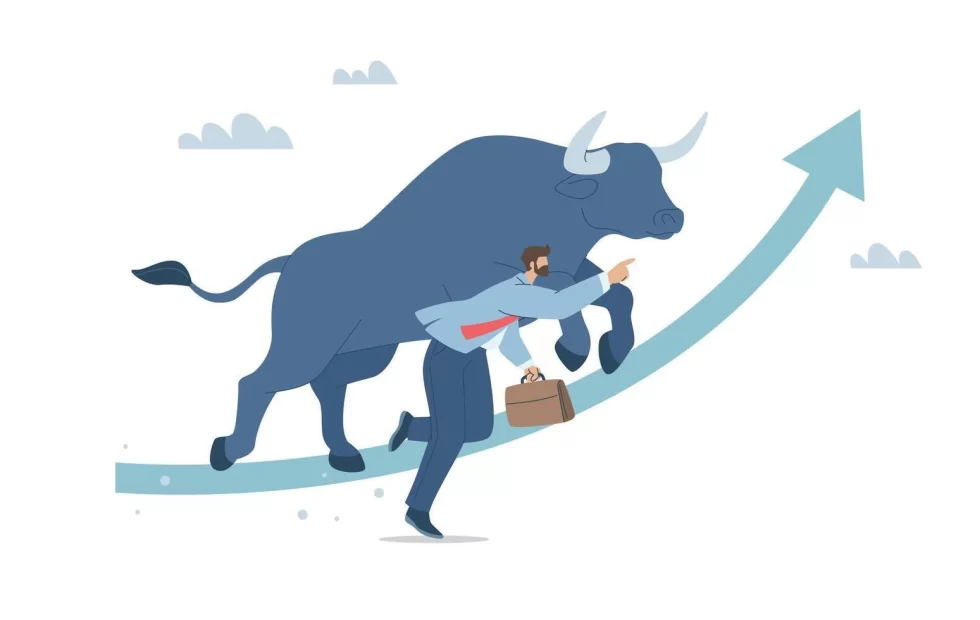
A new report from a group of independent analysts has stirred up conversations across financial circles suggesting a surprising correlation between bullish market cycles and high levels of online meme activity. According to the authors, internet culture may reveal investor confidence earlier than traditional indicators. While the claim walks a fine line between humor and research, the findings have gained traction among traders who believe social energy often moves faster than economic data. Whether viewed as a serious insight or a playful take on modern markets, the study has already become a talking point for finance watchers.
The research team examined thousands of social posts, chart patterns, and sentiment signals before presenting a simple conclusion. When memes flourish, optimism follows. They argue that online communities tend to produce more playful content when collective confidence rises, and this mood can spill into trading decisions. Their report notes that meme engagement surges during times of excitement, drawing more participants into discussions about stocks, crypto, and market narratives. While not a traditional method, the researchers insist that studying online behavior may offer overlooked clues about market direction.
Meme momentum as a market signal
The most important point in the study focuses on what the authors call meme momentum. They define it as the rate at which humorous financial content spreads across major platforms. Their data suggests that rising meme momentum often appears shortly before increased trading activity. They explain that memes travel faster than headlines, allowing investors to feel shifts in sentiment before official reports confirm them. Traders have long relied on social cues, but this study tries to quantify those cues tracking patterns in humor and cultural trends. The researchers admit this method is unconventional but believe it reflects the reality of digital era investing.
Humor as a confidence indicator
One section of the study explores the idea that people joke more when they feel secure. The authors argue that increased humor during bullish periods reflects a collective sense of ease. They compare this to how workplace environments become more relaxed when performance improves. In online trading communities, this can look like a rapid rise in funny charts, playful commentary, and satire about market events. These posts create a shared mood that may encourage more participants to take positions, adding fuel to upward movements.
How communities shape trading behavior
The study also highlights the role of online communities in shaping financial decisions. Large groups of retail traders often gather in forums where humor is part of the daily rhythm. According to the report, these spaces form micro cultures that amplify optimism during bull cycles. When one meme gains traction, others follow, and soon a wave of enthusiasm spreads. The researchers note that this activity may support a cycle where positive sentiment increases participation and participation strengthens market trends. While they do not claim memes cause bull markets, they suggest memes help reinforce them.
Caution from traditional economists
Despite the buzz, traditional economists remain cautious about drawing firm conclusions. Several experts warn that correlations do not equal direct influence and that memes might simply reflect emotions rather than shape them. They acknowledge that sentiment matters in markets but argue that professional analysis still depends on fundamentals, earnings, and policy decisions. Some analysts worry that giving too much weight to meme activity might trivialize financial research. Still, even the skeptics admit that understanding investor psychology is important, and the rise of online communities cannot be ignored.
Conclusion
The new study raises an intriguing idea that blends digital culture with market behavior. While the findings are not meant to replace established indicators, they highlight how humor and online energy may offer early hints about investor confidence. As markets continue to evolve in an era shaped technology and social platforms, insights like these remind us that finance is not only about numbers but also about people and the moods that move them.