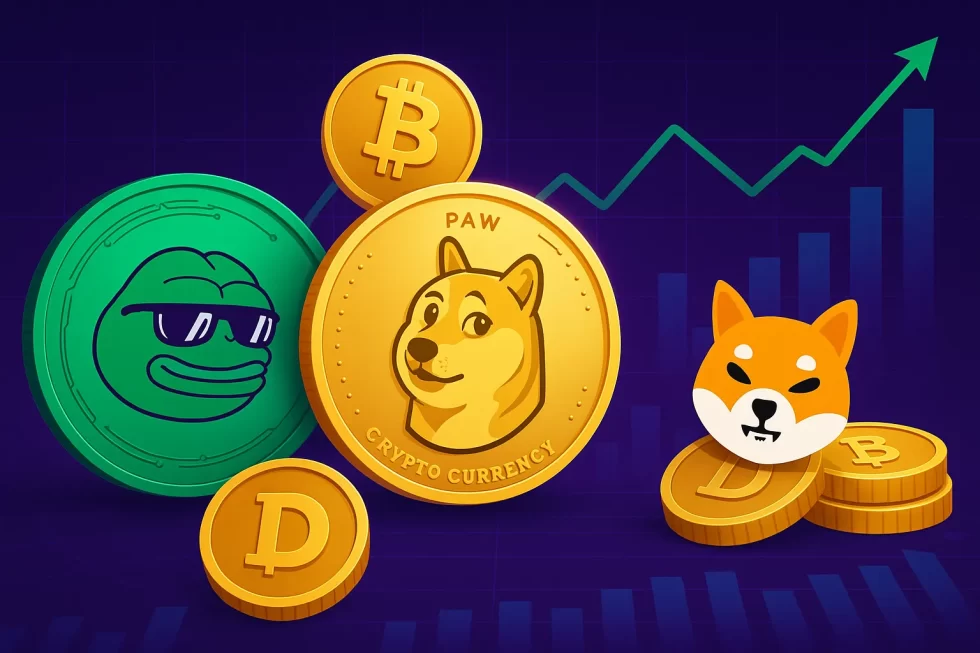
A surprising report from Lisbon’s research community has revealed that the meme economy is now growing faster than several traditional banking indicators. What began as a niche internet phenomenon has transformed into a cultural and financial force that economists can no longer ignore. According to the study, meme-driven markets, online joke assets, and community-powered digital trends are expanding at a pace that outperforms some conventional financial sectors. This unexpected shift has sparked debate among experts and generated excitement among traders who see memes not just as humor, but as a new kind of economic engine.
As the findings spread, many observers admitted they were not shocked. Meme culture has been influencing consumer trends, digital markets, and social behavior for years. What is surprising, however, is the speed at which the meme economy has gained traction—and how traditional institutions are struggling to keep up. From viral coins to joke-based marketplaces, humor now has measurable financial impact.
Why the meme economy is outpacing traditional indicators
The most important reason behind the meme economy’s rapid growth is the power of online communities. Unlike traditional financial systems, which rely on structured institutions and slow-moving processes, meme-driven networks move fast. Trends can explode overnight as millions share content, participate in markets, or rally behind a humorous concept. This collective energy creates momentum that traditional banking trends simply cannot match.
Another major factor is accessibility. Anyone with a phone can participate in the meme economy, whether trading a meme coin, contributing to viral content, or joining a community event. This low barrier to entry attracts younger generations who prefer engaging, fast-paced experiences over the rigid systems of traditional finance. As digital culture continues evolving, participation in meme markets keeps increasing.
Economists also point to psychological drivers. Humor reduces fear, encourages experimentation, and strengthens social bonds. These elements make people more likely to engage with meme-driven assets even during periods of uncertainty. This emotional resilience helps the meme economy maintain growth while traditional indicators often slow down during tense periods.
Viral events accelerating meme-driven financial behavior
Recent viral moments have played a huge role in pushing the meme economy forward. Influencer jokes, spontaneous market surges, and community challenges often spark participation spikes within hours. These events act like micro-booms, each one contributing to a larger pattern of growth.
Researchers note that viral energy often spreads beyond the original platform, reaching international audiences quickly. This global reach gives the meme economy a scalability that many traditional banking indicators lack.
Younger generations driving cultural and financial shifts
Gen Z and younger millennials are especially responsible for the meme economy’s rise. They value humor, community participation, and digital-first experiences. Instead of trusting traditional institutions, they gravitate toward ecosystems built on transparency, collective energy, and creativity.
For this demographic, memes function as both cultural currency and emotional expression. When these symbols merge with markets, the result is an economic environment driven not corporate structures but community identity. This shift challenges long-held assumptions about how financial behavior forms.
Traditional economists attempt to interpret meme trends
Traditional financial analysts are scrambling to understand the new landscape. Some admit that existing models cannot explain the speed or unpredictability of meme-driven markets. Others warn that traditional indicators may become less accurate as cultural forces influence markets more directly.
A few economists argue that the meme economy reflects deeper societal shifts toward decentralized culture and digital communities. They believe studying it closely may reveal early signals of broader financial transformations. Still, most agree that ignoring meme trends would be a major mistake for institutions hoping to stay relevant.
Conclusion
The rapid growth of the meme economy compared to traditional banking indicators highlights a major shift in how people interact with financial systems. Fueled community energy, humor, and accessibility, meme markets are rewriting the rules of participation. Whether viewed as a temporary trend or a sign of future economic evolution, the meme economy has proven that culture and finance are now inseparably linked.