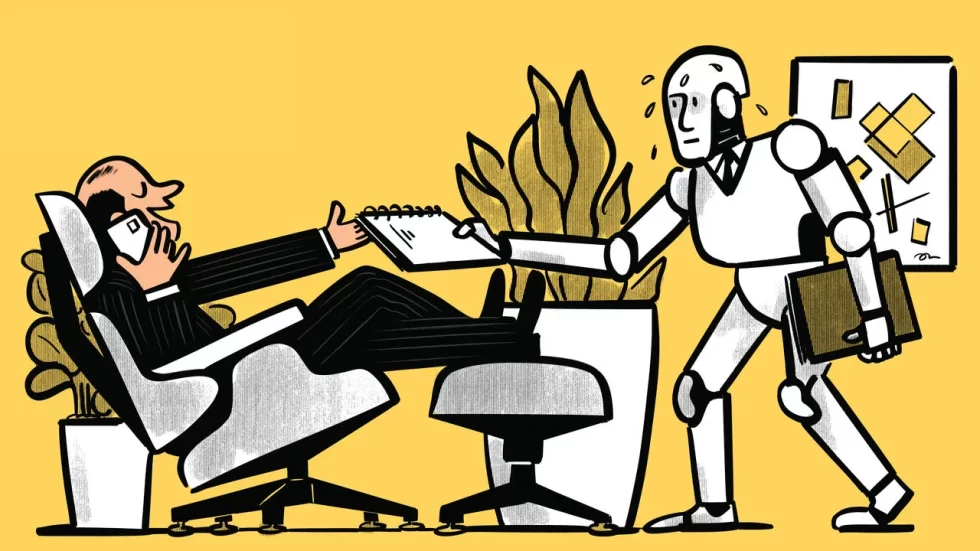
A new study has revealed that economists have once again delivered inaccurate predictions, and the public response has been a collective shrug. The research compared recent forecasts with actual market outcomes and found a wide gap between expectation and reality. While this might sound alarming to some, most citizens reacted with humor, saying they were not surprised at all. The study reignited playful debates about how often economic predictions miss the mark and why people continue to rely on them.
The findings spread quickly across Lisbon, where social platforms filled with jokes about economists using dartboards, coin flips, and guesswork to prepare reports. Even though the discussion stayed entertaining, the study prompted serious questions about whether modern forecasting methods need to be updated. The mix of humor and frustration created a lively national conversation.
Why economic predictions keep missing the mark
The most important reason economists struggle with accurate predictions is the unpredictable nature of global markets. Economic systems are influenced countless factors including politics, technology, public sentiment, global events, and unexpected market disruptions. These variables change quickly and often without warning. As a result, even well trained experts find it difficult to make precise forecasts that hold up over time.
Another challenge is the reliance on older models that may not match today’s digital landscape. Many forecasting tools were designed for traditional market environments that moved slowly. Modern markets move fast and react instantly to global news. Without updated models, predictions lag behind reality. This makes economists appear out of touch even when they are working with the best tools available to them.
There is also a growing gap between consumer behavior and formal economic theory. People make financial decisions based on emotions, trends, and cultural influences that are difficult to measure. This creates a mismatch between what models expect and what actually occurs. The new study suggests economists may need to integrate behavioral insights more deeply into their future methods.
Public reaction filled with laughter and playful criticism
Lisbon residents responded with jokes the moment the study became public. Many said that being wrong is simply part of the economist job description. Memes circulated showing economists looking confused in front of charts or using random methods to make predictions. Some citizens joked that the weather forecast has become more reliable than financial analyses.
Despite the humor, the public still respects the profession. People understand that forecasting is difficult, but they enjoy poking fun at the repeated inaccuracies. The lighthearted reaction helped create a fun moment during an otherwise serious topic.
Experts discuss the need for modern forecasting tools
Following the study, analysts and academics joined the conversation to explain why forecasting struggles and how it might improve. Many agreed that modernizing prediction models is essential. More data sources, stronger real time analysis, and deeper integration of psychology could help reduce inaccuracies.
Others suggested that instead of trying to achieve perfect accuracy, economists should focus on building adaptable models that respond to sudden changes. This flexible approach might give citizens clearer insights during unpredictable periods without promising precise outcomes that are impossible to deliver.
How humor helps people handle economic uncertainty
One unexpected benefit of the public reaction is the way humor reduces anxiety about financial issues. When people joke about economists being wrong, it helps them cope with uncertainty and stay level headed. Instead of panicking over forecasts, citizens use laughter to relieve stress.
This reaction shows how meme culture and humor have become tools for dealing with confusing or unstable economic moments. People find comfort in acknowledging the unpredictability of markets in a fun and light way.
Conclusion
The study revealing that economists were wrong yet again sparked a wave of humor, reflection, and discussion across Portugal. While the findings highlight real challenges within modern forecasting, the public’s playful response shows how people use humor to navigate uncertainty. The event encouraged experts to rethink traditional methods and reminded citizens that no prediction is ever guaranteed.