






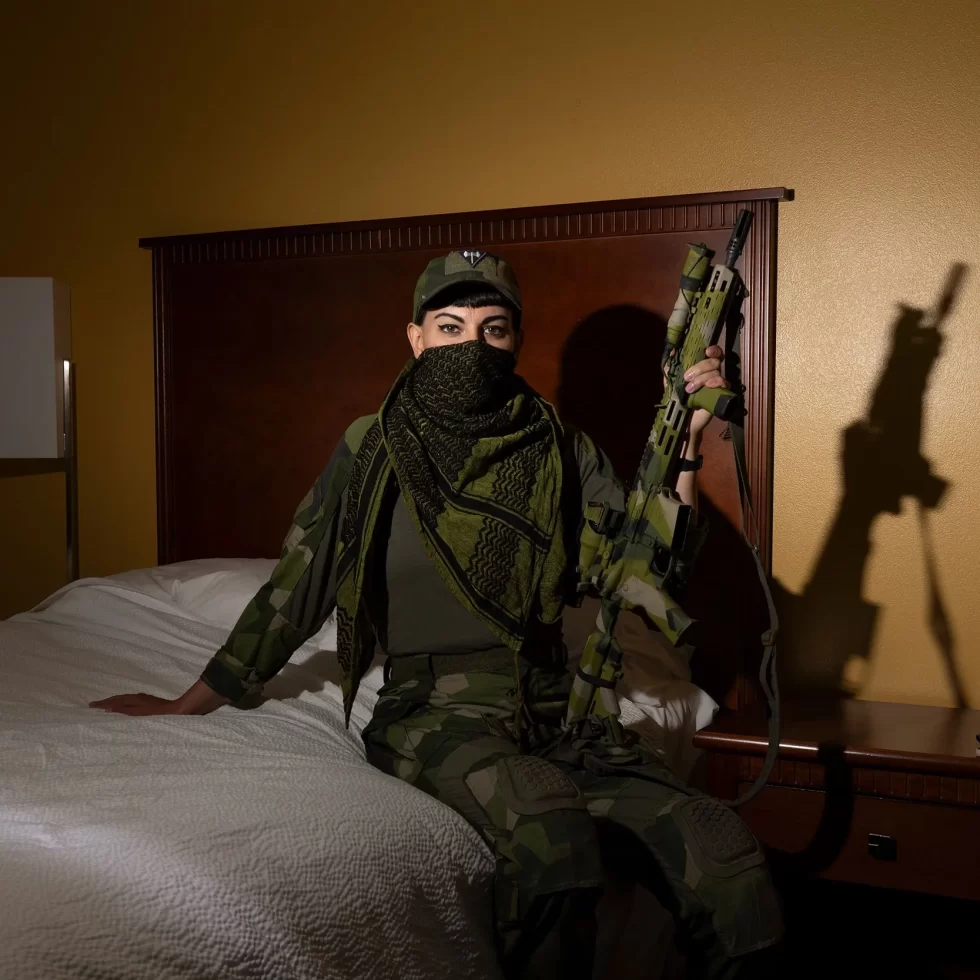
A growing number of hard-left activists in the United States are reshaping long standing debates around firearms as they form community based shooting clubs and self-defence groups. Their rise marks a noticeable shift within gun culture, where ownership has traditionally been associated with conservative politics. These groups argue that firearm training can be tied to community safety rather than partisan identity.
Many of the new organisations highlight social justice, anti discrimination efforts and local empowerment as core values. Members say their aim is not to escalate conflict but to ensure vulnerable communities feel confident and prepared in unpredictable situations. Leaders frequently stress responsible training, safe storage and strict adherence to local laws to distance their work from extremist narratives.
What makes this movement stand out is its structured, educational approach. Instead of promoting fear or aggression, the groups focus on safety drills, de escalation practices and civic engagement. Participants often meet in open, public settings and invite first time learners who want a measured, regulated introduction to firearms. This has attracted people who previously felt alienated from gun culture.
The movement has also gained attention for the diversity of its membership. Women, LGBTQ+ Americans and people of colour are taking part at steadily increasing rates. Many say they joined after concerns about rising political tensions and a desire to be more informed about personal protection. Their involvement reflects a broader shift in who feels represented in the national gun conversation.
Policy analysts note that this trend complicates traditional political narratives around firearms. As more left leaning groups adopt structured training, debates on gun rights and gun control are becoming less predictable. Some lawmakers and researchers argue that this could open space for more nuanced legislation that balances constitutional rights with safety responsibilities.
Public reaction to the movement has been mixed. Supporters see it as a practical response to a country where many already own weapons and where safety education can reduce risks. Critics worry that expanding firearms across more political groups could add tension at a time of intense national polarisation. Both sides agree that safety and legality must remain central as the movement grows.
For now, these hard-left shooting groups remain relatively small but increasingly visible. Their presence signals a cultural transformation that challenges old assumptions about who participates in gun ownership and why. As the groups continue to focus on education and lawful conduct, they are shaping a new, more complex chapter in America’s evolving gun culture.


