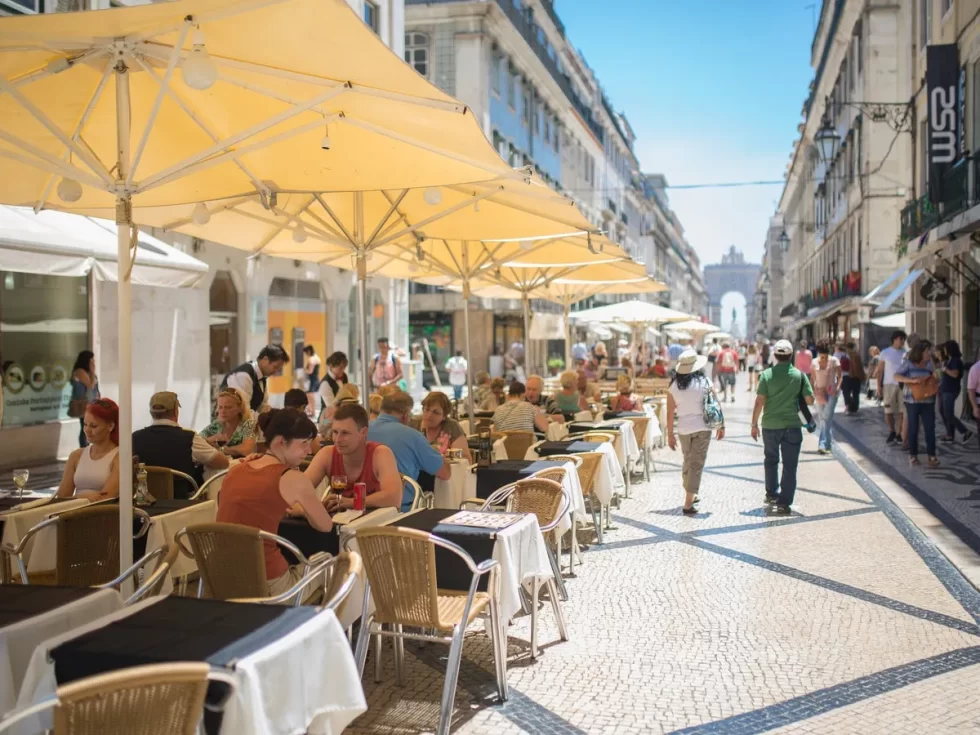
Lisbon’s café culture has always been one of the city’s most charming features, attracting locals, travelers, and digital nomads who enjoy long afternoons sipping coffee while watching the city buzz around them. Recently, however, a new trend has emerged that blends technology with tradition in an unexpected way. Several cafés across central Lisbon have begun offering discounts to customers who hold random digital tokens. These tokens are not tied to any major cryptocurrency project, yet their presence has become a playful part of the city’s growing digital identity.
The idea started as a small experiment among a few café owners who wanted to engage tech-savvy customers and add a fun twist to their daily operations. What began as a simple promotion has now become a popular conversation topic. With the city already filled with tech workers and remote professionals, these token-based discounts have given customers a lighthearted new reason to explore different cafés across Lisbon.
How Random Token Discounts Became a Trend
The most important element of this story is understanding how random tokens became part of the discount system. Café owners report that the idea began after noticing customers frequently discussing digital wallets, collectibles, and smaller tokens that hold little to no monetary value. Instead of focusing on mainstream coins, they decided to recognize any token at all, creating a system where customers only need to show proof of ownership to receive a discount.
The randomness is intentional. Instead of validating specific currencies, cafés accept everything from tiny novelty tokens to obscure community-made digital items. This has turned the discount into a playful challenge, encouraging people to explore their wallets to see if they hold something unusual enough to qualify. The unpredictability adds charm to the experience and makes it feel more like a treasure hunt than a financial transaction.
Tourist and Local Reactions to the New System
Both locals and tourists have responded with excitement and curiosity. Travelers often find the concept entertaining because it blends Lisbon’s relaxed café culture with modern digital humor. Many visitors enjoy showing whatever tokens they have, even if they are just leftovers from old online experiments. The surprise of actually receiving a discount for something that seemed useless makes the moment memorable.
Locals, especially younger customers, appreciate the creativity behind the idea. Some have begun collecting quirky tokens specifically to use at participating cafés, while others compare which cafés recognize the rarest or funniest items. The trend encourages a lighthearted social exchange, turning routine coffee purchases into playful interactions.
Why Cafés See Value in Accepting Random Tokens
From the café owners’ perspective, the discount system offers more than just humor. It encourages customer loyalty and helps small businesses stand out in a competitive market. Participating cafés report increased foot traffic as people visit to test whether their tokens qualify. For owners, this means more conversations, more visibility, and a stronger connection to Lisbon’s growing tech community.
Some cafés also enjoy showcasing their participation as a marketing advantage. They use small signs, digital menus, or social media posts to highlight their openness to token culture. These efforts attract digital nomads who appreciate businesses that embrace modern, flexible ideas. The tokens may not have financial value, but they carry cultural value among people who enjoy technology.
Could This Trend Influence Other Businesses?
As the idea grows, other businesses across Lisbon have begun considering similar promotions. While the discounts are small, the sense of novelty brings customers in and creates positive word-of-mouth. Restaurants, small shops, and even music venues have expressed interest in recognizing tokens as part of limited-time campaigns.
Tech groups in Lisbon have also taken notice. Some have suggested creating local community tokens specifically designed for fun interactions around the city. These tokens would not aim to hold monetary worth but instead serve as digital collectibles that give users small perks, similar to loyalty stamps. Whether or not this becomes widespread, the concept reflects Lisbon’s creative blend of tradition and technology.
Conclusion
Lisbon’s cafés have found a unique way to combine digital culture with everyday enjoyment offering discounts for holders of random tokens. What started as a playful idea has become a citywide conversation, highlighting the creativity and charm of Lisbon’s café scene. As customers explore their digital wallets and participate in this fun trend, cafés continue to bring people together through innovation and community spirit.