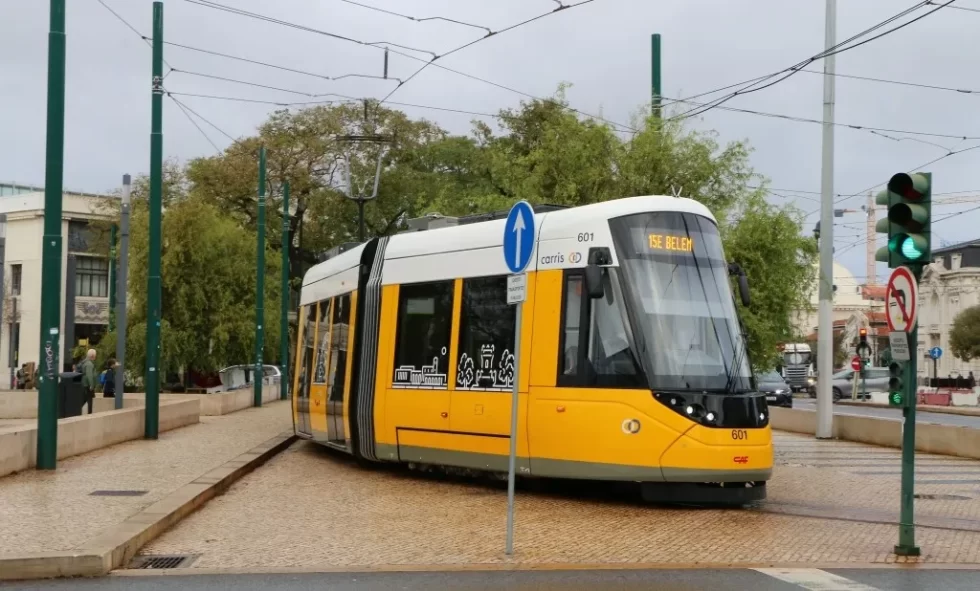
Lisbon is entering another defining phase in its transformation as one of Europe’s most forward-thinking capitals, and the city’s updated green mobility plan is emerging as a central force behind that shift. With urban transport demand climbing every quarter, local authorities are fast-tracking new policies designed to reduce traffic pressure, cut emissions and create safer, more accessible streets. The renewed focus on sustainability is helping Lisbon move closer to its long-term climate targets while responding to the daily realities of a growing metropolitan region.
Residents and visitors are already feeling the impact of this demand spike as more commuters rely on buses, trams, metro lines and shared mobility solutions. Officials believe a rapid expansion of low-carbon transport networks is essential for keeping the city moving without adding congestion. At the same time, Lisbon aims to position itself as a European leader in urban innovation, showing how a historic city can adapt efficiently to modern mobility needs.
Upgraded Public Transport Networks Form the Core of the Mobility Push
City planners describe upgraded public transport systems as the backbone of Lisbon’s mobility strategy. A significant share of new funding is being directed toward increasing metro frequency, expanding tram lines and improving connectivity between different modes of travel. The aim is to make public transport faster, more reliable and more appealing than private car use, especially during peak hours. These improvements are expected to reduce bottlenecks on major routes and support smoother commuter flows across the metropolitan area.
The expansion of Lisbon’s electric bus fleet is also a major part of the plan. New zero-emission vehicles are gradually replacing older models, helping the capital lower pollution levels in heavily populated neighborhoods. Authorities say this transition will continue over the next several years as Lisbon aligns with broader European sustainability goals. The city is also investing in digital tools that provide real-time travel information, making public transit more predictable for daily users.
Another critical element is improving intermodal hubs that allow commuters to switch effortlessly between trains, buses, bikes and scooters. These hubs help reduce travel times while encouraging residents to choose cleaner transport alternatives. The overall goal is to ensure that every part of the mobility network supports the other, creating a more efficient and environmentally friendly system.
Expansion of Cycling Lanes and Pedestrian Zones
Lisbon’s cycling culture has grown steadily, and the city is responding with more dedicated lanes and safer intersections. New bike routes are being added to connect residential districts with commercial and work areas, making cycling a practical daily choice rather than just a leisure activity. The expansion supports healthier lifestyles while reducing the reliance on cars for short-distance travel.
Pedestrian zones are also increasing across central neighborhoods as the city works to reclaim more street space for public use. These areas improve walkability, enhance safety and contribute to a more vibrant urban environment. Lisbon’s long term vision includes a network of pedestrian friendly corridors that encourage people to move through the city without needing a vehicle.
Adoption of Cleaner Energy Solutions for Urban Mobility
Sustainability remains at the heart of Lisbon’s urban planning agenda. The city is actively supporting the shift toward electric vehicles expanding public charging infrastructure. New charging stations are being installed in residential streets, public parking zones and transport hubs to reduce the barriers for EV adoption. While private vehicles still play a significant role in daily travel, Lisbon aims to ensure that the future of driving is far cleaner and more efficient.
Shared electric mobility options such as scooters and bicycles are also becoming more widespread. These services offer flexible point to point travel solutions and help reduce traffic density in busy districts. Officials see them as an essential complement to larger transport systems, particularly for short urban routes.
Balancing Mobility Growth With Urban Livability
With transport demand rising quickly, the challenge is finding the right balance between mobility needs and the overall quality of city life. Lisbon is working to ensure that infrastructure upgrades do not disrupt community spaces or local businesses. Instead, the emphasis is on creating balanced solutions that support both movement and livability. Urban greenery, public seating and better lighting are being added alongside transport improvements to maintain the city’s welcoming character.
Authorities also highlight the importance of long term planning to manage the population increase expected over the next decade. As Lisbon continues attracting students, professionals and digital nomads, its mobility network must remain resilient and adaptable. The city aims to create a model of sustainable growth that other European urban centers can replicate.
Conclusion
Lisbon’s acceleration of its green mobility plan reflects the city’s commitment to building a cleaner, more connected and future ready urban environment. With rising transport demand and increasing pressure on existing infrastructure, the new strategy delivers practical solutions that enhance daily travel while supporting long term climate and livability goals. As these initiatives progress, Lisbon is shaping a modern mobility ecosystem that puts efficiency, sustainability and community well being at the forefront.