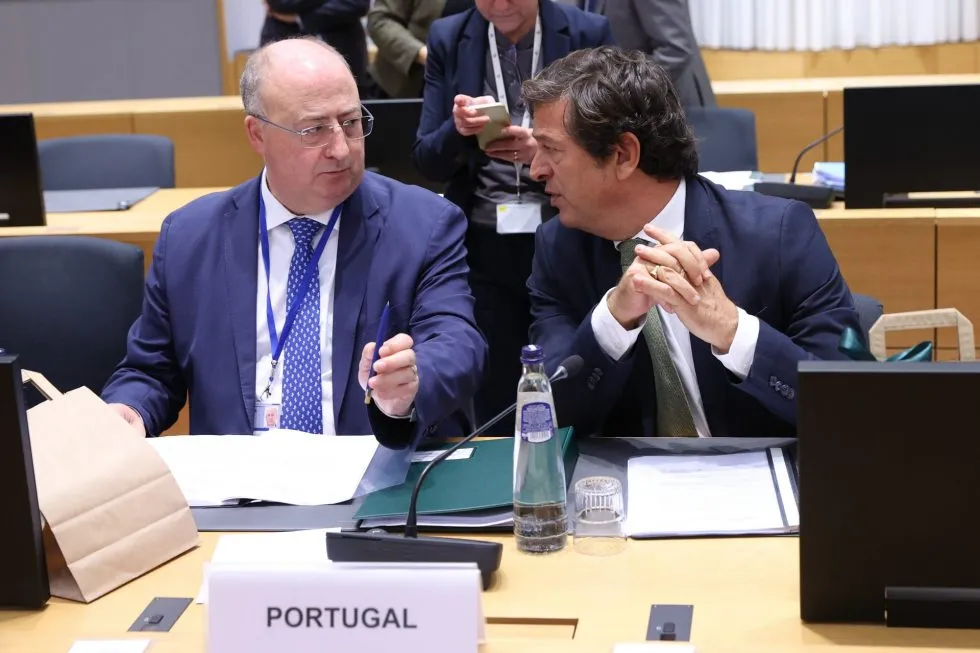
Portugal has pledged to defend its fishing sector vigorously as negotiations begin over European Union fishing quotas for 2026. Government officials have signaled that Lisbon will push firmly for an outcome that protects coastal communities, jobs, and long term sustainability. Fisheries remain a sensitive economic and cultural issue for the country.
Speaking ahead of upcoming EU discussions, Portuguese leaders stressed that fishing is more than an industry. It supports thousands of families and underpins local economies along the Atlantic coast. Any reduction in quotas, they argue, must reflect scientific evidence and socio economic realities.
Portugal has traditionally called for a balanced approach to quota setting. Authorities support sustainable fishing practices but warn against abrupt cuts that could harm livelihoods. Officials say conservation goals must be matched with realistic transition measures for fishermen.
The 2026 quota talks come at a time of heightened pressure on marine resources. Climate change, stock migration, and environmental protection targets are reshaping fisheries policy across Europe. Southern Atlantic waters, where Portugal operates heavily, face particular challenges linked to changing ocean conditions.
Portuguese fishing organizations have urged the government to take a strong stance in Brussels. Industry representatives argue that past quota reductions have already strained fleets and processing businesses. They are calling for stability and predictability to plan investments and operations.
Lisbon has indicated it will work closely with other coastal EU states that share similar concerns. Building alliances is seen as essential to counterbalance stricter positions held some northern member states. Portugal believes regional realities must be properly reflected in EU wide decisions.
The government has also highlighted improvements made the Portuguese fleet in recent years. Investments in selective gear, monitoring systems, and compliance measures are cited as proof of commitment to sustainability. Officials argue that responsible fleets should not be disproportionately penalized.
Fishing plays a particularly important role in smaller ports and rural coastal towns. In many areas, alternative employment opportunities are limited. Sharp quota reductions could accelerate depopulation and economic decline in these regions.
At the same time, Portugal has reiterated support for scientific assessments of fish stocks. Authorities say they are not seeking unsustainable catch levels. Instead, they want data driven decisions that account for regional stock recovery and ecosystem dynamics.
The European Commission is expected to present its initial quota proposals later this year. These proposals typically spark intense negotiations among member states. Portugal has already signaled that it will challenge any figures it considers unfair or disconnected from realities on the ground.
Market implications are also closely watched. Fishing quotas influence supply, pricing, and competitiveness within the EU seafood market. Portuguese exporters are concerned that tighter quotas could weaken their position against non EU producers.
Environmental groups have called for caution, urging governments to prioritize long term stock health. Portuguese officials say these goals are compatible with defending fishermen’s interests. They argue that sustainable fishing requires economically viable fishing communities.
As talks approach, Lisbon’s message is clear and resolute. Portugal intends to engage constructively but firmly, defending its national interests without retreat. The government insists it will not accept outcomes that disproportionately burden its fishing sector.
Ultimately, the 2026 fishing quota negotiations will test Europe’s ability to balance sustainability with social and economic cohesion. Portugal’s stance reflects a broader debate within the EU about how to manage shared resources fairly. For Lisbon, the fight is about securing a future for both the oceans and the communities that depend on them.