






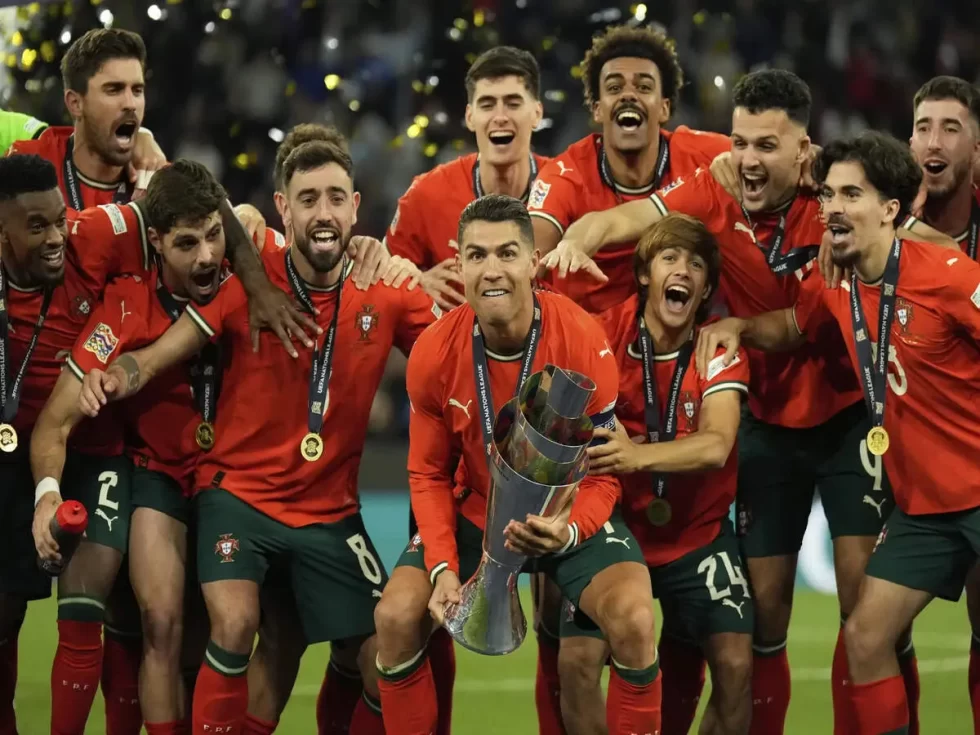
Portuguese football continues to assert its influence across Europe as players developed in Portugal remain in high demand among top leagues. In 2025, Portuguese football exports are not only numerous but also central to the sporting and financial strategies of many European clubs. From elite stars to emerging talents, Portugal’s player pipeline remains one of the most productive on the continent.
This sustained dominance reflects decades of investment in youth development, scouting, and coaching education. Portuguese clubs have refined a model that balances competitive performance with player sales. As European football becomes more global and financially complex, Portugal’s export driven approach is proving both resilient and profitable.
Youth Development Remains Portugal’s Competitive Advantage
At the core of Portugal’s football export success is its youth development system. Academies across the country prioritize technical skill, tactical intelligence, and adaptability from an early age. This holistic approach produces players who can transition smoothly into different leagues and playing styles.
Training environments emphasize ball control, decision making, and positional awareness. These qualities are highly valued in modern football. As a result, Portuguese players often adapt quickly when moving abroad.
Clubs also benefit from strong coaching education programs. Many youth coaches are trained in advanced methodologies, ensuring consistency across age groups. This alignment strengthens the overall development pipeline.
Scouting Networks Feed the Export Machine
Portuguese clubs operate extensive domestic and international scouting networks. Talent identification begins early, with scouts monitoring local competitions and youth tournaments closely. Promising players are brought into structured development pathways.
In addition to domestic talent, Portugal attracts young players from abroad. These players often use Portuguese clubs as stepping stones into European football. Once developed, they are sold to larger leagues, reinforcing Portugal’s role as a talent incubator.
This dual approach expands the export base. Portugal is not only producing talent but also refining it for the global market.
European Clubs Value Tactical Flexibility
One reason Portuguese players succeed abroad is their tactical versatility. Many are comfortable playing multiple roles and systems. This flexibility makes them attractive to clubs across different leagues.
In top European competitions, adaptability is essential. Portuguese players often arrive with strong tactical education and discipline. Coaches value this readiness, which reduces integration time.
This reputation enhances demand. Clubs increasingly view Portuguese leagues as reliable sourcing grounds for adaptable professionals rather than raw prospects.
Financial Model Supports Sustainable Club Operations
Player exports are central to the financial sustainability of Portuguese clubs. Transfer revenue helps offset relatively modest domestic broadcasting income. This model allows clubs to remain competitive while investing in facilities and youth systems.
In 2025, transfer income continues to play a stabilizing role. Clubs plan budgets around expected sales, reducing reliance on debt. This disciplined approach supports long term viability.
While competitive challenges remain, the export model allows clubs to punch above their weight economically. It also reduces financial volatility during uncertain market cycles.
Portuguese Players Influence European Competitions
Portuguese football exports are not limited to squad depth roles. Many players hold key positions at leading European clubs. Their influence extends to domestic leagues and continental competitions.
This visibility reinforces Portugal’s reputation. Success stories create a feedback loop, attracting attention to younger prospects. European scouts remain active in Portuguese competitions as a result.
The national team also benefits. Players gain experience at the highest level, strengthening international performance. Club exports and national success reinforce each other.
Challenges in Retaining Domestic Competitiveness
Despite export success, challenges persist. Constant player turnover makes it difficult for domestic clubs to retain continuity. Competing with wealthier leagues for talent retention is increasingly difficult.
Fans often see star players leave at early stages. While financially necessary, this affects domestic league competitiveness. Balancing development, exports, and fan engagement remains a delicate task.
Efforts are underway to improve league visibility and commercial appeal. Stronger domestic competition could enhance both sporting and financial outcomes.
Outlook for Portugal’s Football Export Model
Looking ahead, Portugal’s football export model shows little sign of slowing. Demand for technically skilled and tactically educated players remains strong. As European football evolves, Portugal’s strengths align well with modern requirements.
Continued investment in academies and infrastructure will be critical. Maintaining quality while adapting to new trends such as data driven scouting will shape future success.
Portugal’s role as a key exporter is now deeply embedded. The challenge lies in refining the model without losing domestic identity and competitiveness.
Conclusion
Portuguese football exports continue to dominate European leagues due to strong youth development, tactical education, and a sustainable financial model. Players developed in Portugal remain among the most adaptable and sought after in Europe.
As long as investment in talent development continues, Portugal is set to remain a central player in European football’s ecosystem. Its export driven success reflects both sporting excellence and strategic discipline.


