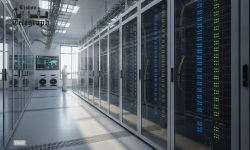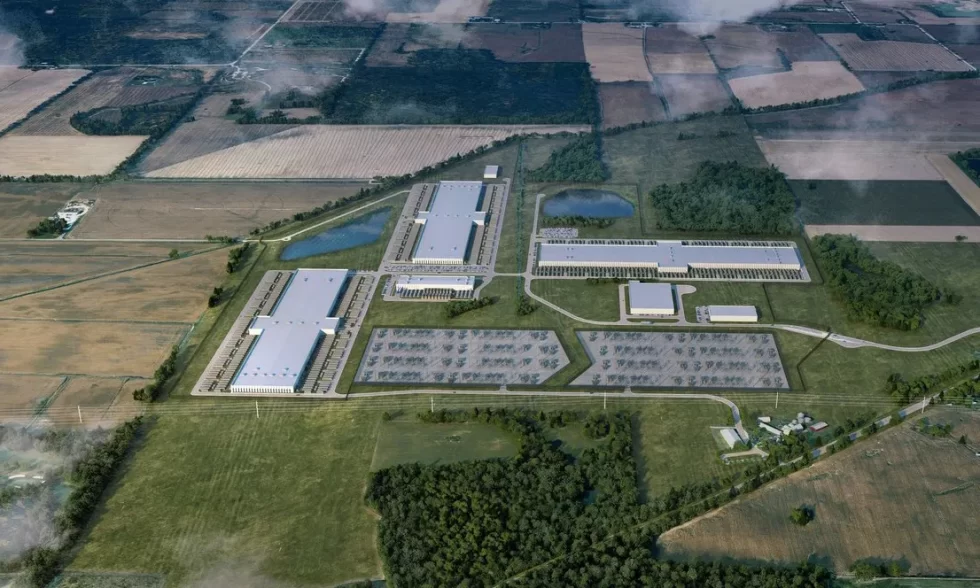
Michigan has approved a major new data center project backed Oracle and OpenAI, marking a significant milestone in the state’s push to attract high value technology infrastructure. The approval paves the way for a large scale facility designed to support advanced cloud computing and artificial intelligence workloads, reinforcing Michigan’s ambition to position itself as a hub for next generation digital infrastructure.
State officials described the project as a long term investment that will bring economic benefits while strengthening the region’s role in the rapidly expanding data driven economy. For Oracle and OpenAI, the decision offers regulatory certainty and access to strategic resources needed to power increasingly complex AI systems.
Why Michigan Was Chosen
Michigan’s appeal lies in a combination of factors that have become increasingly important for data center operators. Reliable access to power, availability of land, and proximity to major population centers make the state a practical choice for large scale facilities. In addition, Michigan has been actively courting technology companies through streamlined approval processes and infrastructure focused incentives.
Local authorities emphasized that the data center aligns with broader efforts to diversify the state’s economy beyond traditional manufacturing. As demand for cloud services and AI computing grows, regions that can host energy intensive facilities are becoming critical to national and global tech strategies.
Oracle’s Expanding Cloud Footprint
For Oracle, the Michigan data center represents another step in expanding its cloud infrastructure across the United States. The company has been investing heavily in regional cloud facilities to compete more aggressively with other hyperscale providers. These centers allow Oracle to offer lower latency, improved data sovereignty options, and greater resilience for enterprise customers.
Oracle’s role in the project focuses on providing the underlying cloud architecture and operational expertise. anchoring the facility with its cloud services, Oracle strengthens its position in sectors that require high performance computing, including finance, healthcare, and increasingly artificial intelligence.
OpenAI’s Growing Infrastructure Needs
OpenAI’s involvement reflects the immense computing demands associated with developing and deploying advanced AI models. Training and running large scale AI systems requires vast amounts of processing power, data storage, and energy. Partnering on dedicated data center capacity allows OpenAI to secure more predictable access to the resources it needs to continue scaling its technology.
The Michigan facility is expected to support both research and commercial AI applications. As AI tools become more deeply integrated into businesses and public services, the need for reliable and scalable infrastructure has become just as important as algorithmic innovation.
Economic Impact and Local Considerations
State and local officials highlighted job creation and long term tax revenue as key benefits of the project. While data centers typically employ fewer workers than manufacturing plants, they generate high value technical roles during construction and ongoing operations. Ancillary benefits are also expected for local suppliers, utilities, and service providers.
At the same time, the project raises familiar questions about energy use and environmental impact. Data centers are among the most power intensive facilities in the modern economy. Michigan regulators have indicated that sustainability measures and energy efficiency standards will form part of the project’s oversight framework.
A Signal of AI’s Infrastructure Era
The approval of the Oracle and OpenAI data center underscores a broader shift in the technology landscape. Artificial intelligence is no longer driven solely software breakthroughs but increasingly physical infrastructure decisions. States and regions that can support this infrastructure are positioning themselves at the center of future innovation.
For Michigan, the project signals confidence in its ability to host critical digital assets. For Oracle and OpenAI, it represents a strategic foundation for continued growth. As AI adoption accelerates, investments like this are likely to become more common, shaping both local economies and the global tech ecosystem.