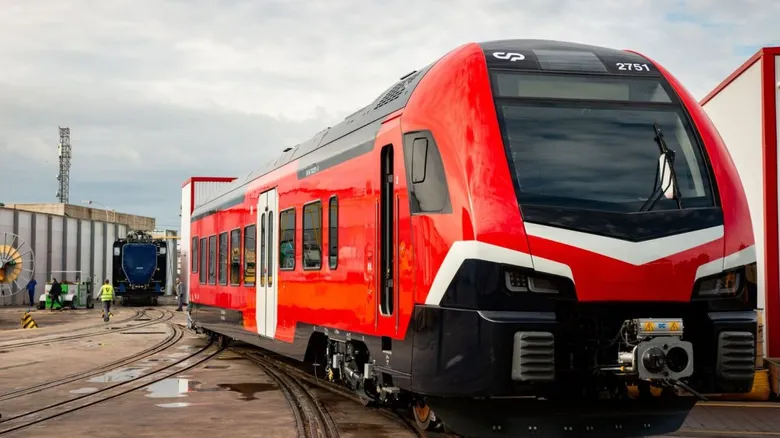
Portugal’s railway network has reached a long awaited milestone with the arrival of its first new regional train in twenty three years. The train has been delivered to CP, the state owned rail operator, marking a significant moment for a system that has long relied on ageing rolling stock. For passengers and transport planners alike, the delivery signals a concrete step toward improving regional rail services across the country.
The train is the first of twenty two new regional units ordered from Swiss manufacturer Stadler. The contract was signed in twenty twenty during António Costa’s second term as prime minister, at a time when rail modernization was identified as a priority for public transport policy.
A Long Gap in Rolling Stock Renewal
The arrival highlights just how long Portugal has gone without investing in new regional trains. For more than two decades, CP has depended largely on refurbished older models to serve regional routes. While maintenance and upgrades have kept many of these trains in operation, limitations in comfort, accessibility, and efficiency have become increasingly apparent.
Rail experts have repeatedly warned that outdated rolling stock affects service reliability and passenger satisfaction. The new Stadler train represents a break from that cycle, offering modern standards that reflect current expectations for public transport.
What the New Trains Bring to the Network
The new regional trains are designed to improve both passenger experience and operational performance. They feature modern interiors, improved seating, better climate control, and full accessibility for passengers with reduced mobility. Enhanced energy efficiency is also a key feature, aligning with Portugal’s broader goals around sustainability and lower emissions.
From an operational perspective, the trains are expected to offer improved reliability and reduced maintenance requirements compared to older models. This can translate into fewer delays and a more consistent timetable on regional lines that serve smaller cities and rural areas.
Strategic Importance for Regional Mobility
Regional rail services play a crucial role in connecting communities outside major urban centers. Many towns rely on these routes for access to jobs, education, and essential services. Investment in new trains strengthens these connections and supports regional cohesion, especially in areas where alternatives to rail are limited.
The delivery also reflects an effort to rebalance transport investment, which has often focused on roads rather than rail. upgrading regional trains, CP aims to make rail a more attractive option for daily travel, reducing reliance on private cars.
From Order to Delivery
The order for the twenty two trains was placed in twenty twenty after years of planning and negotiation. Delays related to production schedules and broader global supply chain disruptions extended the timeline, making the arrival of the first unit particularly significant.
CP officials have described the delivery as a turning point, emphasizing that it represents the start of a broader renewal process rather than a one off upgrade. Additional units are expected to be delivered progressively, allowing phased introduction into service.
Public Expectations and Challenges Ahead
While the arrival has been widely welcomed, expectations are high. Passengers and transport advocates are watching closely to see how quickly the new trains enter regular service and whether they lead to noticeable improvements. Introducing new rolling stock also requires staff training, infrastructure compatibility checks, and operational adjustments.
There is also pressure to ensure that investment continues beyond this initial batch. Modern trains alone cannot address all challenges facing the rail network, such as track conditions, service frequency, and coordination with other transport modes.
A Symbolic Moment for Portuguese Railways
The first new regional train in over two decades carries symbolic weight. It reflects renewed attention to rail as a public service and a recognition that long term underinvestment has consequences. For many passengers, it represents hope for more reliable and comfortable journeys.
As the remaining trains are delivered and integrated into the network, the focus will remain on whether this long overdue renewal translates into lasting improvements for regional rail travel across Portugal.