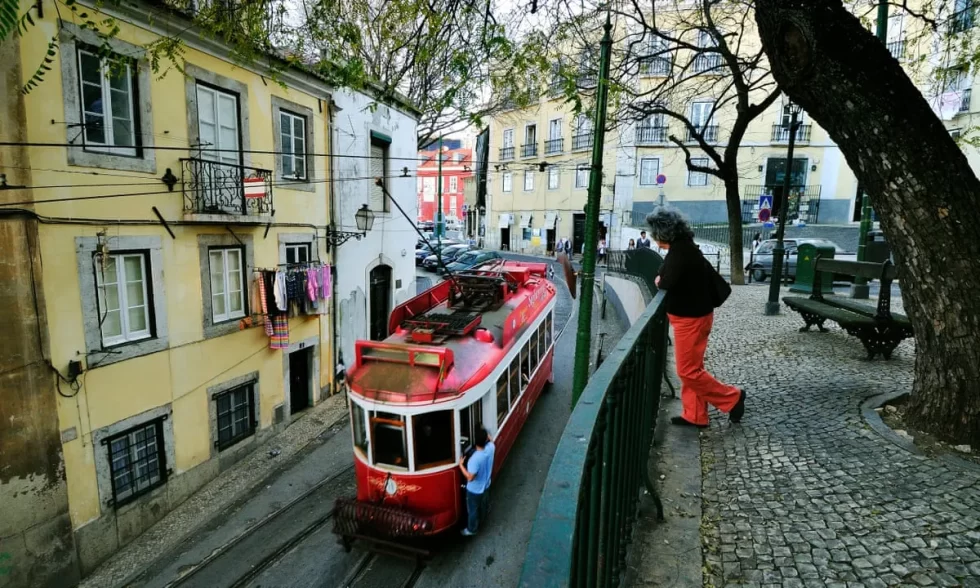
Lisbon has long been defined its historic trams, tiled façades, and slow rhythms shaped tradition. Yet beneath this familiar image, the city is undergoing a steady reinvention. Lisbon is no longer just a postcard capital. It is becoming a modern urban centre where technology, entrepreneurship, and innovation coexist with heritage rather than replace it.
A City Balancing History and Change
Lisbon’s transformation is notable for its restraint. Unlike cities that pursue rapid redevelopment, Lisbon has evolved gradually. Historic neighbourhoods remain largely intact, while new uses are layered into existing structures. Former warehouses, docks, and industrial buildings have been converted into coworking spaces, startup offices, and creative studios.
This approach has allowed Lisbon to modernise without losing its character. Trams still run through narrow streets, but nearyou will find digital agencies, software startups, and international teams working from renovated historic buildings.
Tech Growth Without a Tech Bubble
Lisbon’s technology scene has grown steadily rather than explosively. This has helped the city avoid the volatility seen in some startup hubs. Technology companies in Lisbon often focus on practical solutions, software services, and digital platforms rather than speculative growth.
International firms have established offices alongside local startups, creating a mixed ecosystem. This blend has encouraged knowledge sharing and reduced dependency on a single sector or investor base. Lisbon’s tech growth has been quieter, but more durable.
The Rise of Innovation Districts
Several areas of the city now function as informal innovation districts. Neighbourhoods such as Marvila and parts of Alcântara have seen a shift from logistics and storage to creative and technological uses. These areas offer larger spaces, lower rents than the historic centre, and flexibility for growing companies.
Rather than building entirely new districts, Lisbon has reused what it already had. This reuse has lowered barriers to entry for startups and reduced the environmental impact of development.
Universities and Talent Retention
Lisbon’s universities play an important role in this reinvention. Institutions are producing graduates in engineering, design, and data driven fields, and increasingly, those graduates are choosing to stay in the city.
In the past, many young professionals left Portugal in search of opportunity. Today, Lisbon offers enough local and remote work options to retain talent. This shift has strengthened the city’s skills base and reduced dependence on imported expertise.
Digital Economy Meets Local Culture
What sets Lisbon apart is how technology integrates with local culture. Innovation does not feel isolated from everyday life. Cafés double as informal meeting spaces. Community events blend music, art, and technology. Digital work happens alongside daily rituals rather than behind closed corporate doors.
This integration has helped reduce social friction. Tech workers are not confined to isolated zones but participate in neighbourhood life, supporting local businesses and services.
Infrastructure Supporting Modern Work
Lisbon’s reinvention has also been supported improvements in infrastructure. Internet connectivity is reliable across most areas, public transport remains affordable, and the city’s scale allows easy movement between work and leisure.
These factors make Lisbon particularly attractive for hybrid work models. Professionals can work locally, collaborate internationally, and still maintain a balanced daily routine.
Economic Impact Beyond Technology
The growth of tech hubs has had spillover effects across Lisbon’s economy. Hospitality, retail, real estate, and cultural sectors have adapted to serve a more diverse and international population. New businesses have emerged to meet changing demand.
This diversification has strengthened economic resilience. Lisbon is no longer dependent on tourism alone. Technology and digital services now act as stabilising forces during periods of uncertainty.
Challenges of Success
Reinvention brings pressure. Rising rents and increased competition for space have raised concerns about affordability and displacement. The challenge for Lisbon is managing growth without eroding social cohesion.
Sustainable planning, housing policy, and inclusive development will determine whether the city’s reinvention remains broadly beneficial or becomes uneven.
A City Redefining Its Future
Lisbon’s journey from trams to tech hubs shows that reinvention does not require abandoning identity. The city has modernised building on what already exists, blending innovation with tradition.
Rather than chasing trends, Lisbon has chosen continuity with evolution. That quiet strategy may prove to be its greatest strength as cities across Europe search for sustainable models of growth in a digital age.