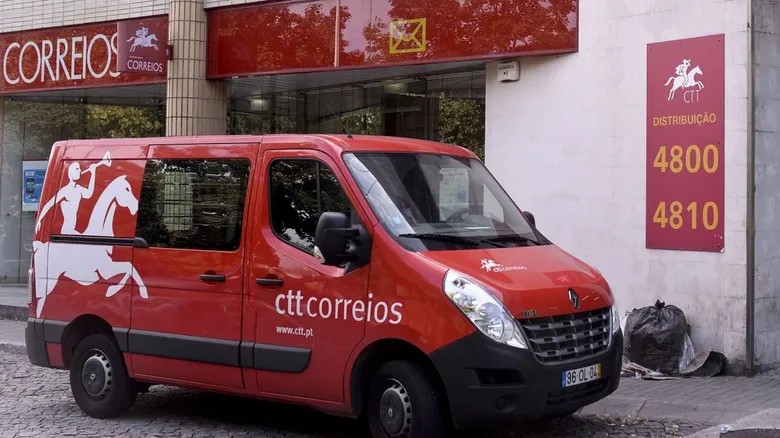
From January 1, 2026, people in Portugal will no longer be able to send goods abroad using international registered mail. The change follows a worldwide legislative update that removes parcels from the registered mail model, limiting the service exclusively to letters and documents. The clarification was confirmed CTT, marking a significant shift in how individuals and small businesses send items internationally.
What Is Changing in Practice
Until now, registered mail allowed senders to post small goods internationally with tracking and proof of delivery at a relatively low cost. From 2026 onward, this option will disappear for parcels. Registered mail will remain available only for correspondence such as letters, contracts, and other paper documents.
Anyone wishing to send goods overseas will need to use alternative international shipping services, such as standard parcels, express options, or courier based solutions. These services typically come with higher prices and different tracking structures.
Why the Change Is Being Introduced
The decision is not specific to Portugal. It results from a global regulatory change affecting postal systems worldwide. International postal frameworks have been updated to reflect how cross border logistics now operate, particularly with increased security requirements, customs controls, and e commerce flows.
Registered mail was originally designed for documents, not goods. Over time, it became a popular workaround for sending low value items. Authorities now argue that this model no longer aligns with modern customs and security standards.
Impact on Individuals and Families
For individuals, the change will be felt most those who regularly send small items abroad. Gifts to family members, personal items, or low value goods will no longer qualify for the cheaper registered option.
This may particularly affect Portuguese residents with relatives overseas, as well as emigrant families accustomed to sending parcels back and forth. While alternatives exist, they are often more expensive and require additional customs documentation.
Small Businesses Face Higher Costs
Micro businesses and independent sellers are among the most affected groups. Many relied on registered international mail to ship handmade products, samples, or small orders to customers abroad.
With the service ending, these sellers may face higher shipping costs that reduce competitiveness, especially when selling low priced items. Some may need to revise pricing, limit international sales, or shift to digital platforms that offer integrated logistics solutions.
What Options Remain Available
Although registered parcels are ending, international shipping itself is not disappearing. CTT and other operators will continue to offer international parcel services with varying delivery speeds, insurance options, and tracking levels.
However, these services operate under different pricing structures and often involve more detailed customs procedures. Senders will need to adapt planning shipments more carefully and factoring in higher costs.
Customs and Compliance Will Matter More
One consequence of the change is increased emphasis on customs compliance. Parcel services are more tightly integrated with customs systems, requiring accurate declarations and documentation.
While this adds complexity, it also reduces ambiguity and improves traceability. Authorities argue that this shift supports transparency and aligns postal services with global trade standards.
Digitalisation and the Future of Postal Services
The end of registered international parcels reflects a broader transformation within postal systems. As communication moves online and goods move through specialised logistics networks, traditional hybrid services are being phased out.
Postal operators are increasingly focusing on either pure document handling or fully fledged parcel logistics, rather than blurred models that sit between the two.
Preparing for the Transition
CTT has advised customers to take note of the January 1, 2026 deadline and adjust their shipping habits accordingly. Those who regularly send goods abroad are encouraged to explore alternative services in advance to avoid disruption.
Understanding pricing, delivery times, and customs requirements will be essential for a smooth transition.
A Quiet but Meaningful Change
While the end of registered international parcel mail may seem technical, its impact will be felt in everyday life. From personal shipments to small scale commerce, the change reshapes how Portugal connects with the world through post.
As global logistics standards evolve, senders will need to adapt. The registered envelope remains, but the era of the registered parcel is coming to a close.