






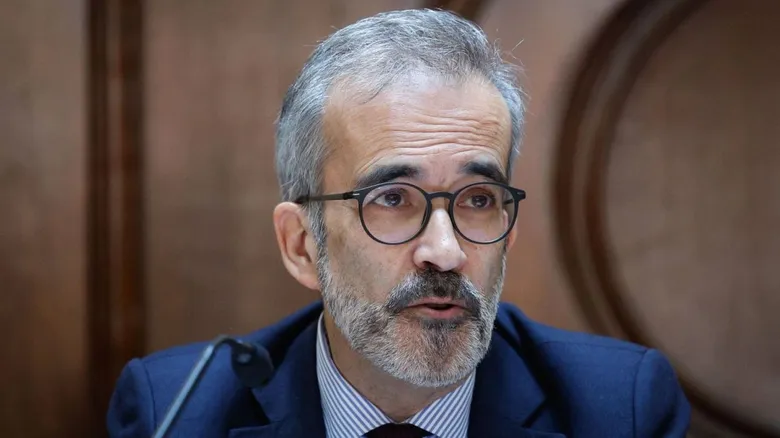
Portugal has formally acknowledged Edmundo González Urrutia as the legitimate president of Venezuela, aligning itself with calls for a political solution that restores democracy and long term stability in the crisis hit country. The position was outlined Portugal’s Minister of Foreign Affairs, who said Lisbon supports a transition that reflects the will of the Venezuelan people and creates conditions for institutional recovery.
Speaking publicly, the minister stressed that Portugal’s stance is guided democratic principles rather than short term political calculations. He argued that Venezuela needs a credible and inclusive political process capable of rebuilding trust, stabilising the economy and restoring basic governance. In that context, he said it would be preferable, in the long term, for former opposition candidate Edmundo González Urrutia to assume the presidency, describing him as a figure capable of helping move the country beyond prolonged confrontation.
Portugal’s recognition places it among a growing group of countries questioning the legitimacy of the current political order in Caracas following disputed electoral processes and years of political deadlock. While Lisbon stopped short of calling for immediate regime change, officials made clear that they do not view the existing leadership as offering a viable path toward democratic normalisation.
The Portuguese government emphasised that any transition should be peaceful and respect international law. The foreign minister said Portugal rejects solutions based on violence or external imposition, instead favouring sustained diplomatic pressure and dialogue supported the international community. He also highlighted the importance of protecting Venezuelans from further economic hardship during any political transition.
Portugal’s position carries particular weight given its close historical, cultural and migratory ties with Venezuela. Tens of thousands of Portuguese nationals and people of Portuguese descent live in the South American country, and instability there has long been a concern for Lisbon. Portuguese officials said safeguarding the rights and security of this community remains a priority as the political situation evolves.
The move is also consistent with Portugal’s broader foreign policy approach, which emphasises multilateralism and cooperation with European partners. Lisbon has worked closely with the European Union on Venezuela policy, including sanctions, humanitarian assistance and diplomatic initiatives aimed at encouraging political reform. Officials indicated that Portugal will continue coordinating with EU allies to avoid unilateral actions that could deepen divisions.
Reaction from Venezuela’s opposition welcomed Portugal’s statement as a sign of growing international support. Opposition figures said recognition from European countries strengthens their argument that a negotiated transition is both necessary and achievable. Meanwhile, representatives of the current Venezuelan authorities dismissed the comments as interference, reiterating claims of sovereignty and accusing foreign governments of bias.
Analysts say Portugal’s recognition of González reflects a cautious but clear shift toward backing an alternative political future for Venezuela. Rather than focusing on personalities alone, Lisbon appears intent on framing the issue around institutions, legitimacy and long term stability. emphasising the long term rather than immediate outcomes, Portugal is seeking to balance principle with pragmatism.
As Venezuela’s political crisis continues, Portugal’s stance adds to mounting international pressure for change. Whether this translates into concrete progress will depend on developments inside Venezuela and the ability of external actors to support a credible, peaceful transition without exacerbating tensions.


