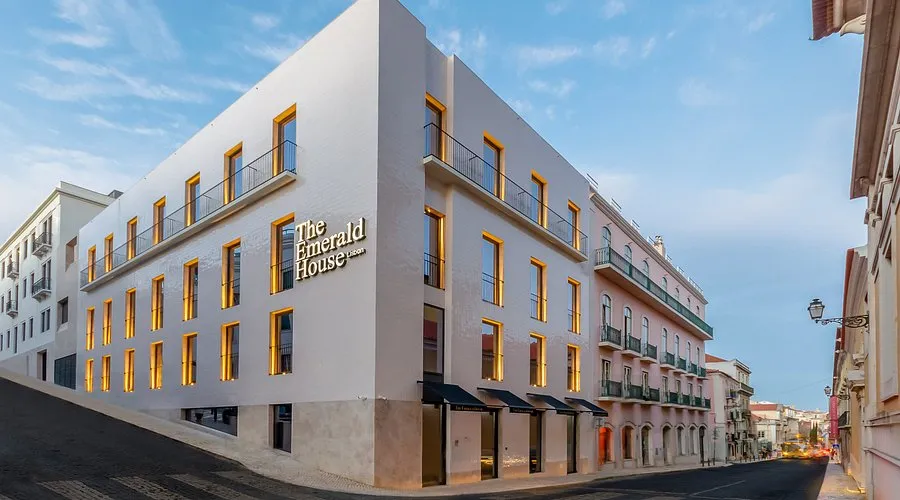
A boutique hotel rooted in Lisbon’s identity
The Emerald House Lisbon stands out in the Portuguese capital for its strong sense of place and narrative driven design. Rather than offering a generic luxury experience, the hotel draws directly from Lisbon’s cultural history, weaving stories of trade, exploration, and refinement into every corner of its 67 thoughtfully designed rooms. Located in the historic Santos neighbourhood, the property reflects a quieter, more residential side of the city while remaining closely connected to Lisbon’s creative and cultural life.
From the moment guests enter, it is clear that the hotel is not trying to compete with grand palaces or ultra modern towers. Instead, it positions itself as a refined townhouse, intimate in scale and rich in detail. Materials, colours, and artwork have been carefully chosen to echo Lisbon’s layered past, creating an atmosphere that feels authentic rather than staged.
Design that tells a story
The interiors of The Emerald House Lisbon are guided storytelling rather than trend. Each room blends contemporary comfort with references to Portugal’s global connections, particularly its historic role in maritime trade. Subtle emerald tones, textured fabrics, and handcrafted details nod to precious goods once exchanged through Lisbon’s ports, while maintaining a calm and elegant aesthetic.
Rather than overwhelming guests with decorative excess, the design encourages discovery. Artworks and objects feel curated, not decorative, reinforcing the idea that the hotel is a living reflection of the city around it. This approach resonates with travellers seeking experiences that feel rooted and meaningful rather than interchangeable.
A restaurant inspired a royal tradition
One of the hotel’s most distinctive spaces is its restaurant, where décor and concept pay tribute to the art of tea drinking. This tradition was famously popularised in England Catherine of Braganza following her marriage to Charles II in the seventeenth century. The restaurant draws on this shared Anglo Portuguese heritage, using design to quietly tell a story of cultural exchange.
Tea inspired motifs, elegant tableware, and a warm, refined palette create a setting that feels both historical and contemporary. The reference is subtle enough to avoid feeling themed, yet clear enough to add depth to the dining experience. It serves as a reminder of Portugal’s often overlooked influence on European customs and rituals.
Comfort balanced with character
While heritage is central to the hotel’s identity, comfort has not been sacrificed. Rooms are designed to be functional and restful, offering high quality bedding, modern bathrooms, and thoughtful lighting that supports both relaxation and work. The result is a space that feels lived in rather than staged, ideal for travellers who want to unwind after exploring the city.
Public areas are equally inviting. Lounges and shared spaces encourage guests to linger, read, or converse, reinforcing the hotel’s residential feel. This sense of calm sets The Emerald House Lisbon apart from busier central properties that prioritise spectacle over atmosphere.
Appealing to the modern cultural traveller
The Emerald House Lisbon speaks directly to a growing segment of travellers who value authenticity over excess. Its appeal lies not in grand statements, but in quiet confidence. grounding its design in Lisbon’s history and cultural connections, the hotel offers guests an experience that feels specific to place rather than globally generic.
This approach also reflects broader shifts in hospitality, where storytelling, locality, and emotional connection are increasingly important. Guests are not just looking for somewhere to sleep, but for places that deepen their understanding of a destination.
A refined interpretation of Lisbon hospitality
In blending cultural heritage with modern design, The Emerald House Lisbon succeeds in creating an experience that feels both intimate and intellectually engaging. It invites guests to slow down, notice details, and appreciate the historical threads that continue to shape the city today. For those seeking a stay that goes beyond surface level luxury, the hotel offers a thoughtful and distinctly Lisbon centred alternative.