A changing global trade environment
Global supply chains are undergoing one of their most significant transformations in decades. Geopolitical tensions rising protectionism and lessons learned from recent disruptions have pushed companies to rethink where and how they trade. For Portugal these shifts present a strategic opening. As a small export oriented economy Portugal is adjusting its trade strategy to remain competitive in a world where efficiency resilience and regional integration matter more than ever.
From globalization to diversification
For years global trade was built around efficiency and cost minimization. Today reliability and diversification have become equally important. Companies are spreading production and sourcing across multiple regions to reduce risk. Portugal is positioning itself as a stable and predictable partner within this new framework. Its location political stability and integration within the European Union make it attractive for firms seeking to diversify supply chains without leaving Europe.
The Atlantic advantage in a rebalanced world
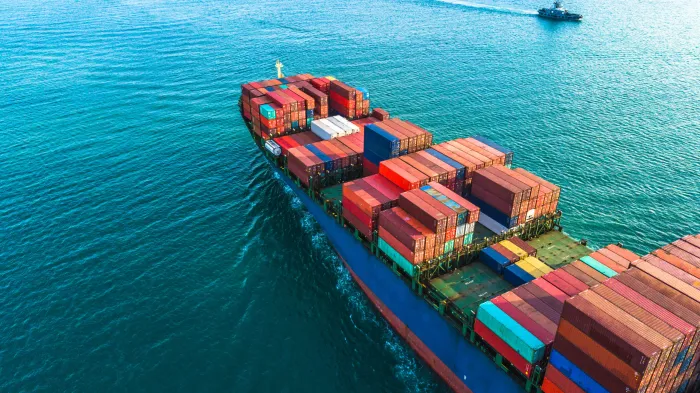
Portugal’s Atlantic geography is emerging as a renewed trade asset. As shipping routes diversify and congestion affects traditional hubs Atlantic ports are gaining attention. The Port of Sines has become central to this strategy offering deep water capacity and strong connections to global shipping lanes. Its role in energy transit container traffic and transatlantic trade supports Portugal’s ambition to serve as a logistics bridge between Europe the Americas and Africa.
Export diversification beyond traditional markets
Portugal’s trade strategy increasingly emphasizes diversification of both products and markets. While the European Union remains its largest trading partner Portugal has expanded exports to North America Africa and parts of Asia. Sectors such as automotive components machinery agri food and chemicals have gained importance alongside traditional exports like textiles and footwear. This broader export base reduces dependence on any single market.
Energy and green trade opportunities
The global shift toward cleaner energy is influencing trade patterns. Portugal’s investment in renewable energy supports exports linked to sustainability. Green hydrogen renewable electricity and energy related services are becoming part of the country’s trade conversation. As European industries seek lower carbon inputs Portugal’s energy profile enhances its attractiveness as a production and export base.
Technology and services enter the trade mix
Trade is no longer limited to physical goods. Services exports including technology digital services and shared business operations are growing. Portugal’s skilled workforce competitive costs and improving digital infrastructure support this shift. Technology and knowledge based services integrate Portugal more deeply into global value chains without relying solely on shipping capacity.
Policy alignment and trade facilitation
Effective trade strategy depends on policy execution. Portugal has focused on simplifying customs procedures improving port efficiency and aligning regulations with EU standards. Trade facilitation reduces transaction costs and enhances reliability. These incremental improvements are critical as companies evaluate not only costs but also administrative efficiency when choosing trade partners.
Balancing openness with resilience
While embracing openness Portugal is also mindful of resilience. Dependence on global trade exposes the economy to external shocks. Strengthening domestic production capacity and supporting strategic industries helps balance openness with security. This approach aligns with broader European efforts to reinforce supply chain resilience without retreating into protectionism.
Trade strategy as economic insurance
Portugal’s evolving trade strategy reflects a pragmatic response to global change. leveraging geography diversifying exports and aligning with sustainability trends Portugal is adapting rather than resisting supply chain shifts. In a fragmented global economy this adaptability acts as economic insurance supporting growth while managing risk. Trade remains central to Portugal’s future but it is now shaped resilience as much as reach.