Economic optimism across the eurozone is facing renewed scrutiny as energy costs and global trade uncertainty begin to reappear on the policy radar. After a period of gradual recovery supported stabilizing inflation and steady employment levels, economists are warning that new pressures may slow momentum across the region. Rising energy prices, combined with renewed concerns about international trade disputes, are creating an environment where growth projections for several European economies may need to be reassessed.
Energy Costs Reemerge as a Key Economic Risk
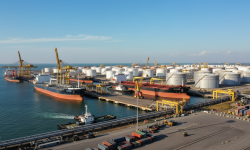
Energy prices have always played a critical role in the economic stability of Europe. The region relies heavily on imported energy resources, making price fluctuations particularly sensitive for both governments and industries. Recent movements in global energy markets suggest that price volatility may again become a challenge for policymakers.
When energy prices increase, production costs for industries such as manufacturing, transportation, and construction tend to rise. Companies may respond increasing product prices or reducing production volumes to protect margins. Either response can slow economic activity.
Households are also affected. Higher electricity and heating costs reduce disposable income, which in turn impacts consumer spending. Since consumer demand represents a significant portion of economic growth, rising energy costs can weaken overall economic performance across the eurozone.
Industrial Output and Export Pressure
The eurozone economy depends heavily on manufacturing and export activity. Countries such as Germany, Italy, Spain, and the Netherlands have built strong industrial bases that rely on stable energy supply and predictable global demand. When energy costs rise, industrial competitiveness may weaken compared to producers in regions where energy prices remain lower.
Export industries are particularly sensitive to these shifts. European companies compete globally in sectors such as automotive production, machinery manufacturing, chemicals, and advanced engineering. If production costs increase significantly, European exports can become less competitive in international markets.
At the same time, renewed trade tensions between major economies have introduced additional uncertainty. If tariffs or other trade restrictions expand, exporters could face higher barriers when entering key foreign markets. These conditions create a dual challenge where companies must manage both rising input costs and potential reductions in demand.
Financial Markets Watch Economic Signals
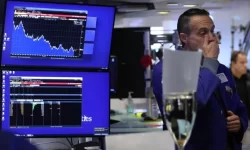
Financial markets are closely monitoring economic indicators that reveal whether the eurozone can maintain stable growth. Bond markets, equity investors, and currency traders often react quickly to signals of economic slowdown or acceleration.
When growth expectations weaken, investors may shift toward safer assets such as government bonds. Conversely, stronger growth signals typically support equity markets and business investment. The balance between these trends will depend largely on how energy markets and trade policy evolve in the coming months.
The role of the European Central Bank remains central in this context. Monetary policy decisions are influenced inflation trends, employment data, and economic growth projections. If energy driven inflation begins to rise again, policymakers may face difficult choices between supporting growth and controlling price pressures.
Government Policy and Economic Resilience
European governments have introduced various strategies to strengthen economic resilience following previous energy disruptions. Investments in renewable energy infrastructure, energy storage technologies, and diversified supply sources are intended to reduce dependence on volatile global markets.
These long term investments are gradually reshaping the European energy landscape. While they may not immediately eliminate price volatility, they are expected to improve stability over time. Governments are also exploring industrial policies designed to support strategic sectors, including advanced manufacturing and technology development.
Fiscal policy may also play a role in maintaining growth momentum. Targeted support programs for energy intensive industries and vulnerable households can help soften the economic impact of price increases. However, policymakers must balance such measures with broader fiscal discipline to maintain financial stability.
Europe’s Long Term Growth Outlook
Despite the challenges posed energy costs and trade uncertainty, the eurozone retains structural strengths that support long term economic stability. The European single market provides access to one of the largest integrated consumer bases in the world. This scale encourages investment, innovation, and cross border business activity.
European industries also continue to invest in digital transformation, automation, and advanced manufacturing technologies. These developments improve productivity and help offset cost pressures that arise from energy or trade disruptions.
Furthermore, Europe’s commitment to sustainable energy and green industrial strategies may create new economic opportunities. As global demand for clean technology expands, European companies could benefit from leadership in renewable energy systems, electric mobility, and environmental innovation.
Conclusion
Eurozone growth is entering a period of renewed uncertainty as energy costs and global trade risks return to the forefront of economic discussions. While these pressures may test short term momentum, the region’s diversified economy, integrated markets, and long term investment strategies provide a foundation for resilience as policymakers navigate evolving global conditions.