Iran Blockade Fuels Oil Price Surge
Traders moved quickly as fresh risk pricing hit energy screens Today, pushing benchmarks higher in early dealing. In the middle of the session, Middle East tensions became the dominant driver after Reuters described talk of an extended Iran blockade and a sharper threat to shipping. The jump was echoed across physical and derivatives markets, with Oil prices reacting to the implied risk of delayed cargoes and higher insurance costs. A Live view of order books showed wider spreads and thinner liquidity as hedgers paid up for near term cover. Exchange data cited Reuters also pointed to a fast rise in implied volatility. The move left refiners facing higher feedstock costs and tighter margins late trade.
Impact on Global Markets
Equities and rates adjusted as energy fed through to inflation expectations, with desks watching cross asset correlations Live throughout the morning. In Europe, industrials and airlines took the brunt while commodity producers outperformed, according to pricing monitored Reuters. The repricing spread to credit as higher fuel costs raised near term cash flow concerns for transport names, and an Update from several banks to clients flagged wider hedging demand. Market participants also watched policy signals on financial stability, including the Federal Reserve note on regulatory actions in its release, community bank leverage ratio changes, which traders cited as part of the broader risk backdrop. Attention also drifted to unrelated geopolitical diplomacy headlines such as UAE leaves OPEC after 60 years, what changes next when assessing producer cohesion.
Middle East tensions: Middle East Conflict and Oil Supply
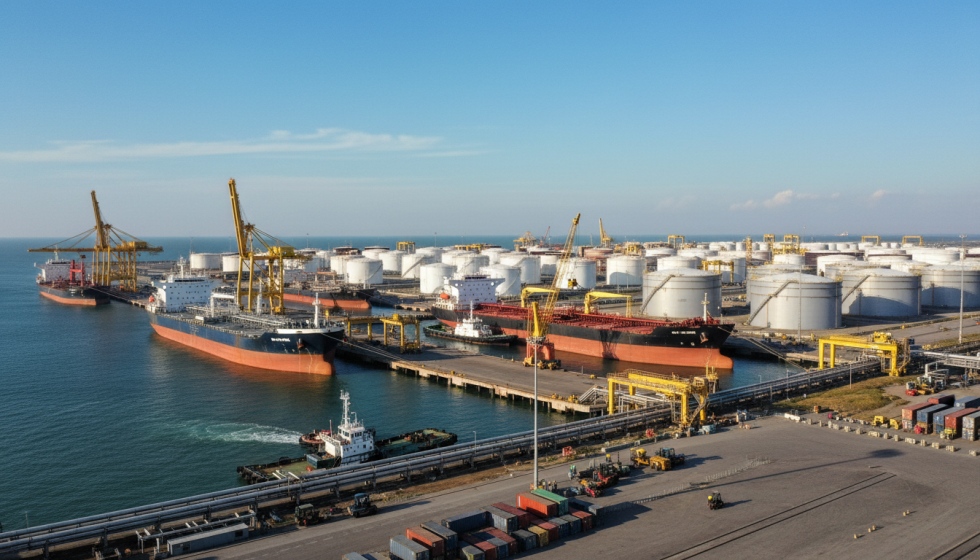
Shipping and supply chains were the immediate focus as crude oil prices built in the possibility of delayed transit through key waterways. Analysts at the International Energy Agency have repeatedly warned in its oil market reporting that concentrated chokepoints can amplify price swings when security risks rise, and traders referenced that framework in Live commentary. Middle East tensions also fed concern about retaliatory steps that could hinder loading schedules or lift freight premiums, which are often reflected quickly in prompt spreads. For Lisbon readers tracking energy pass through, an Update on broader trade routes was paired with regional commodity scrutiny in Ukraine alleges Israel received grain from Russia, highlighting how multiple corridors can tighten simultaneously. The crude oil market response was strongest in near dated contracts rather than long run curves.
Responses from Major Economies
Government reactions centered on deterrence, coordination, and readiness to smooth supply if disruptions persist Today. US officials have previously said the Strategic Petroleum Reserve is a tool to address severe interruptions, and traders weighed that precedent without assuming an immediate release. In Europe and parts of Asia, ministries focused on consumer price exposure, with an Update from several energy agencies emphasizing monitoring and contingency planning, as summarized Reuters. Refiners also adjusted procurement, seeking alternative grades when crude oil price differentials widened. Diplomatic channels were active, but markets mainly tracked tangible supply signals such as tanker availability, insurance quotes, and port turnaround times. Live freight data showed rising route costs, which can quickly flow into delivered fuel prices and headline inflation prints.
Future Projections for Oil Prices
Forward pricing reflected an uneasy balance between risk premium and expected supply responses, and desks kept scenario sheets open Live as volatility persisted. Options markets suggested heightened near term uncertainty, while longer dated contracts moved less, a pattern Reuters linked to traders anticipating policy and producer adjustments if flows tighten. Middle East tensions remained embedded in the curve through higher front month premiums, but the market also watched demand indicators that can cap rallies if consumption softens. An Update from several research houses cited Reuters highlighted that refinery maintenance schedules and product inventories may matter as much as headline geopolitics over the next few weeks. Price direction now hinges on whether shipping stays uninterrupted and whether producers signal spare capacity use. Today, risk management rather than conviction dominated positioning.