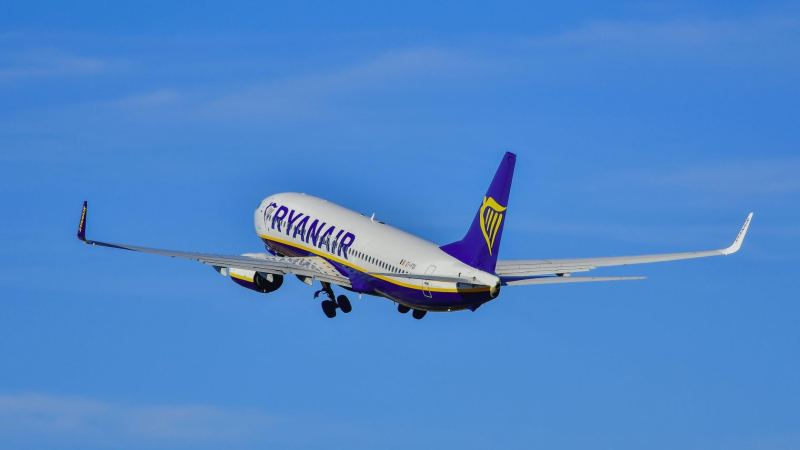
A passenger injury caused a hot drink onboard a short haul flight has resulted in a financial settlement for Ryanair, drawing renewed attention to onboard safety procedures. The incident involved a 63 year old nurse who suffered scalding injuries after hot coffee was spilled during a flight departing from Bournemouth to Majorca. The airline later agreed to an out of court settlement amounting to just over four thousand pounds. The passenger stated that she had been informed prior to the incident that the aircraft had run out of protective cup lids, raising concerns about the handling of hot beverages during service. While the injuries were not life threatening, the case has highlighted potential risks during routine inflight operations, particularly on busy leisure routes where cabin service is often fast paced.
The passenger said her professional background in healthcare helped limit the severity of the injury, allowing her to respond quickly and prevent further damage. She expressed concern that the outcome could have been far worse if the incident had involved a child or an elderly traveler with more sensitive skin. According to her account, she attempted to apply basic first aid measures such as cooling the affected area, but felt the cabin crew were not adequately prepared to respond to the situation. The handling of the incident has raised questions about crew training and the availability of essential safety items during service. While hot drinks are a standard part of inflight offerings, incidents involving scalding injuries have occasionally prompted scrutiny of airline safety protocols.
The settlement does not constitute an admission of liability but reflects a resolution aimed at avoiding prolonged legal proceedings. Aviation analysts note that while such compensation amounts are relatively modest, they can carry reputational implications for airlines operating high volume routes. The case adds to broader discussions around passenger welfare, service standards, and risk management in commercial aviation. Airlines face increasing pressure to balance efficiency with safety, particularly on short flights where service routines are compressed. The incident serves as a reminder that even minor lapses in preparation can result in injury, prompting renewed calls for consistent onboard safety practices across the industry.