






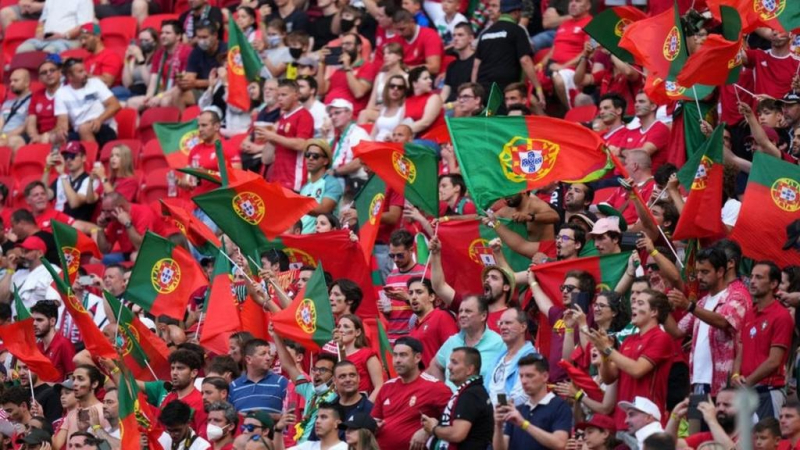
An international friendly that officially carried no stakes managed to ignite a very real national conversation. Within minutes of the final whistle, commentary panels, radio call-ins, and social feeds shifted into full crisis mode. A match designed for experimentation was treated as a referendum on the future of Portuguese football.
The coach attempted to lower expectations explaining that the match was about rotation, observation, and fitness. This explanation was received politely and then immediately ignored. In the public imagination, every pass became evidence, every substitution a message, and every missed chance a warning sign.
Friendly Matches and Permanent Reactions
Friendly matches occupy a strange place in football culture. Officially, they exist to test formations, assess fringe players, and manage workloads. Unofficially, they are treated as a competitive truth serum. Fans know the match does not matter, but react as if it absolutely does.
In Portugal, this dynamic is especially intense. A strong footballing identity means that even low pressure fixtures carry symbolic weight. Supporters expect continuity of excellence, regardless of context. When results disappoint, explanations rarely survive contact with emotion.
The idea that nobody was trying to win does not register once the scoreline is final. The match becomes history rather than preparation.
Social Media as the Second Half
If the first half of the match happened on the pitch, the second half unfolded online. Clips were isolated, slowed down, replayed, and reframed to support opposing narratives. One group argued the performance revealed generational decline. Another insisted it proved depth and transition.
Memes emerged faster than tactical analysis. The same player was described as finished and a future captain within the span of an hour. The result managed to confirm every existing opinion without resolving any of them.
This amplification is not unique to Portugal, but it is deeply embedded in its football discourse. Social platforms reward certainty, not patience. Friendly matches offer ambiguity, which is immediately rejected.
Media Panels Fill the Silence
Television and radio coverage expanded to fill the vacuum left the lack of competitive stakes. Pundits debated formations that may never be used again and lineups that will not reappear. Structural reform was mentioned despite no structural issue being identified.
Calls for squad renewal surfaced, followed closely reminders that renewal is already underway. The contradiction went largely unaddressed. The debate continued because debate itself is the product.
In a media environment built for constant output, friendly matches provide just enough material to sustain a full news cycle.
The Federation Response
The football federation responded with a carefully worded statement emphasizing long term planning and continuity. It highlighted development pathways, coaching stability, and future tournaments. The tone was measured and calm.
Fans translated this message differently. To many, long term vision sounded like postponement. Continuity felt like avoidance. The gap between institutional language and public expectation widened.
This disconnect is not new. Governing bodies speak in timelines. Supporters speak at weekends.
Why These Moments Matter
Despite the exaggeration, these reactions reveal something important. Football in Portugal is not just entertainment. It is a shared reference point for identity, confidence, and national mood. Even a friendly match becomes a canvas for broader anxieties and hopes.
The intensity reflects engagement rather than fragility. A country that did not care would not react this way. The challenge lies in separating signal from noise, a task that becomes harder with every platform update.
Conclusion
A match that was meant to be forgettable became unforgettable for all the wrong reasons. Portuguese fans once again proved that no game is truly meaningless. In football, context fades quickly. Results, real or imagined, always take centre stage.


