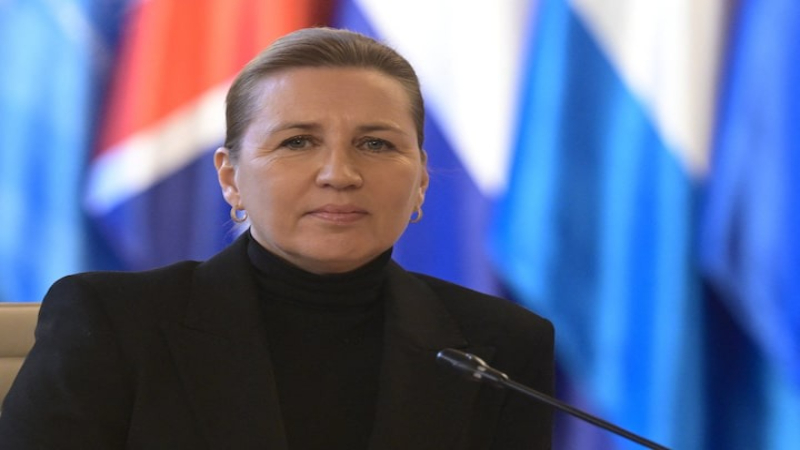
Denmark has announced plans to introduce stricter deportation laws that could bring it into conflict with Europe’s human rights framework, as the government responds to growing political pressure ahead of national elections later this year. Prime Minister Mette Frederiksen said her government would move forward with legislation aimed at making expulsions easier for foreign nationals, including those convicted of serious crimes, even if the measures risk legal challenges. The proposal reflects a broader shift across Europe toward tougher stances on migration and asylum, with several governments expressing frustration over rulings the European Court of Human Rights that have blocked deportations, particularly in cases involving family ties.
The planned reforms would lower the threshold for deporting foreign nationals sentenced to at least one year in prison and introduce additional enforcement tools. These include electronic tagging for individuals without residency permits who fail to comply with reporting requirements, the appointment of a dedicated deportation envoy, and the reopening of Denmark’s embassy in Syria, a key source country for asylum seekers. Authorities are also considering the establishment of a reception centre outside the European Union and increasing reviews of refugee permits with the aim of revoking them where possible. The measures are expected to take effect from May if approved parliament.
Frederiksen acknowledged that the proposals could clash with existing interpretations of the European Convention on Human Rights but argued that Denmark is acting in line with the intentions of many signatory states seeking change. Immigration has become a central political issue as nationalist and anti-immigration parties gain support, increasing pressure on the governing coalition. Denmark already grants asylum to relatively few applicants compared with many European countries, and the proposed legislation signals a further tightening of policy as the election approaches. The move is likely to reignite debate across Europe over the balance between national sovereignty, migration control and human rights obligations.