Russia is increasingly recruiting workers from India to address a severe labour shortage that officials say has reached at least 2.3 million people, a gap widened the economic and demographic strain of the war in Ukraine.
At Moscow airports, groups of Indian men have been arriving on work contracts, many travelling thousands of miles via transit routes such as Uzbekistan. Recruited for jobs in manufacturing, construction and waste management, they are part of a growing influx that reflects a shift in Russia’s labour migration strategy.
Before the war in Ukraine, Russia relied heavily on workers from Central Asian countries, many of whom could enter without visas. However, a weaker rouble, tighter migration rules and rising anti immigrant rhetoric have contributed to a decline in arrivals from the region. While Central Asian nationals still make up the majority of foreign workers in Russia, their numbers have not been sufficient to meet growing labour demands.
Official data show that in 2021 around 5,000 work permits were issued to Indian nationals. Last year that figure surged to nearly 72,000, representing close to one third of the annual visa quota for migrant workers. Russian officials have indicated that the country needs at least 800,000 additional workers in manufacturing and another 1.5 million in services and construction.
The move aligns with broader economic ties between Moscow and New Delhi. Vladimir Putin and Narendra Modi signed agreements in December aimed at simplifying employment pathways for Indian citizens in Russia. First Deputy Prime Minister Denis Manturov has said Russia could accept an unlimited number of Indian workers if needed.
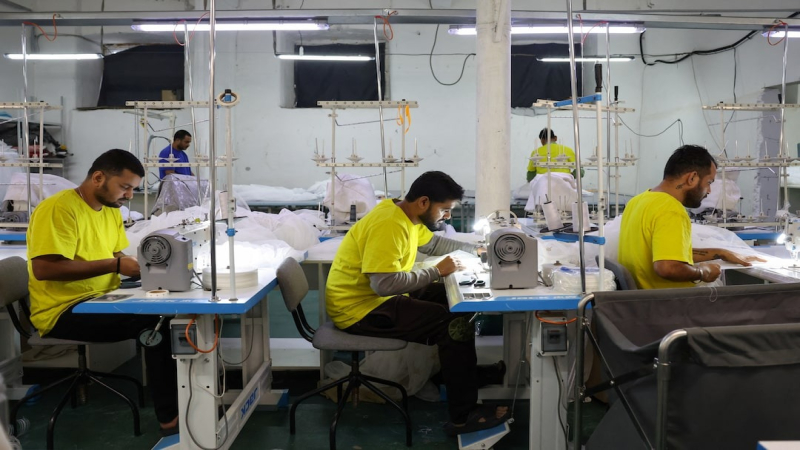
In industrial zones outside Moscow, Indian employees are already visible on factory floors. Textile companies have recruited workers to produce curtains and bed linen, while agricultural enterprises rely on them to process and package vegetables. Employers report that although many new arrivals initially lack specific technical skills, they adapt quickly with training and supervision.
For many workers, the attraction lies in wages that are higher than what they can earn at home. Salaries of around 50,000 roubles per month in farming and light industry positions are considered competitive relative to income levels in parts of India.
The labour pivot also reflects Russia’s wartime economic priorities. With hundreds of thousands of men mobilised or working in defence related sectors, civilian industries have faced acute staffing pressures. Migrant labour has become essential to maintaining production levels across factories, farms and municipal services.
Geopolitical dynamics could still influence the trend. The United States has pressured India over its purchases of discounted Russian oil, an issue that Donald Trump has linked to broader trade discussions. Any significant shift in energy cooperation between Moscow and New Delhi could have ripple effects on labour agreements.
For now, however, Russia’s recruitment drive signals a strategic recalibration of its migrant workforce, as the country seeks new labour partners to sustain its economy during a prolonged period of conflict and sanctions.