






Russia has called on several European governments to provide concrete evidence after they accused Moscow of poisoning Kremlin critic Alexei Navalny with a toxin derived from poison dart frogs. The demand follows a joint statement from Britain, France, Germany, Sweden and the Netherlands claiming laboratory analyses detected epibatidine in samples taken from Navalny’s body.
According to the European governments, the substance identified is a highly toxic compound found in certain species of poison dart frogs native to South America. They argued that the presence of epibatidine indicated deliberate poisoning and said Russia had the means, motive and opportunity to administer it.
Responding on Wednesday, Russian Foreign Ministry spokeswoman Maria Zakharova rejected the allegations and said the accusations lacked specific supporting data. Speaking at a press briefing in Moscow, Zakharova characterised previous claims against Russia as politically motivated and said they were presented without detailed proof.
She stated that Russia was demanding that the governments involved hand over concrete data related to the laboratory findings. Zakharova suggested that earlier accusations followed a pattern of assertions framed as highly likely without disclosing underlying evidence.
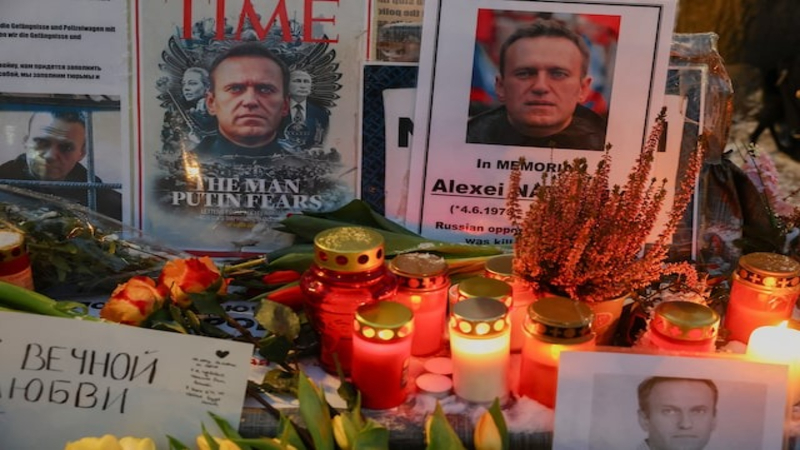
The Kremlin has consistently denied any involvement in Navalny’s death. Russian officials have dismissed Western accusations as unfounded and politically driven. Navalny, a long time critic of President Vladimir Putin, died in February 2024 while serving a prison sentence. His death prompted widespread international condemnation and renewed tensions between Moscow and Western capitals.
In their recent statement, the five European countries said the identification of epibatidine was based on scientific analyses of biological samples. They did not publicly release detailed laboratory reports but described the findings as confirmation of poisoning. The governments involved have called for accountability and transparency regarding the circumstances of Navalny’s death.
Yulia Navalnaya, the late opposition leader’s widow, said the findings confirmed what she and her supporters had long believed about the cause of her husband’s death. She has accused Russian authorities of responsibility and has called for further international investigation.
The exchange adds to already strained relations between Russia and the European Union. Since the start of the war in Ukraine, diplomatic ties have deteriorated sharply, with multiple rounds of sanctions imposed on Moscow and countermeasures taken the Kremlin.
The dispute over the alleged toxin is likely to deepen political divisions. While European governments maintain that the scientific evidence supports their claims, Russian officials insist that accusations must be backed verifiable data shared through official channels.
As both sides stand their positions, the controversy surrounding Navalny’s death continues to resonate across Europe, reinforcing broader geopolitical tensions and mutual distrust between Moscow and Western capitals.


