The United States has slowed the sale of international assets owned Russian oil producer Lukoil as part of broader efforts to increase pressure on Moscow during ongoing negotiations over the war in Ukraine, according to officials familiar with the discussions.
The US Treasury’s Office of Foreign Assets Control is expected to extend a key deadline for concluding transactions involving Lukoil’s overseas portfolio from February 28 to April 1. The extension gives potential buyers additional time to negotiate terms but also keeps the process closely aligned with diplomatic developments.
Talks involving representatives from the United States, Russia and Ukraine have taken place in recent weeks in Geneva, Abu Dhabi and Miami. While no breakthrough has been announced, sanctions policy and the future of major Russian energy assets have reportedly formed part of the wider discussions.
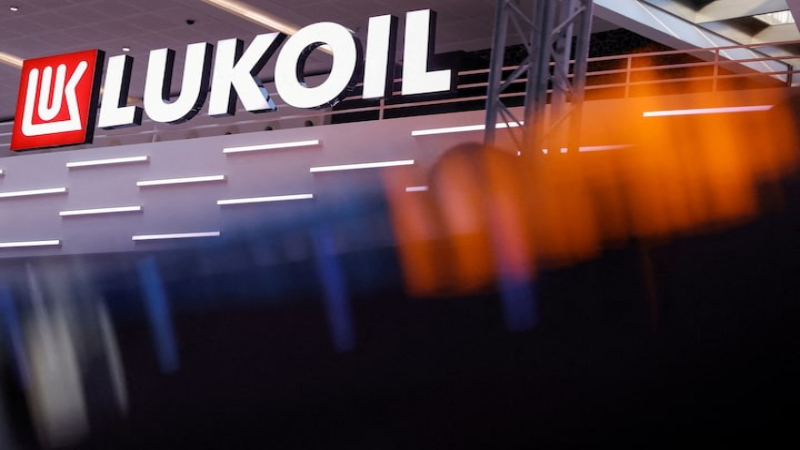
Washington imposed sanctions in October on Russia’s largest oil company Rosneft and on Lukoil, the country’s second largest producer. The restrictions effectively forced Lukoil to divest a global portfolio estimated at 22 billion dollars, including oilfields, refineries and fuel retail operations spanning from Iraq to Finland.
Under current conditions outlined US authorities, any approved sale must ensure that Lukoil receives no upfront payment. Proceeds would instead be placed into frozen accounts under US jurisdiction, limiting Russia’s access to revenue while maintaining leverage in diplomatic negotiations.
The asset sale has attracted interest from a broad range of bidders. Among those reported to have engaged in discussions are ExxonMobil, private equity firm Carlyle Group, and energy focused investors from the Middle East and the United States. Other consortiums and investment partnerships are also said to be evaluating the portfolio.
Sources indicate that the sale process, initially handled at the regulatory level, has recently drawn greater involvement from senior officials within the White House, the Treasury Department and the State Department. The extension of the negotiation window suggests coordination between sanctions enforcement and diplomatic strategy.
Energy markets are closely monitoring developments, particularly as oil prices remain elevated compared with earlier in the year. Analysts note that Russia’s oil revenues continue to play a significant role in financing its military operations, making energy sanctions a central element of Western policy.
At the same time, some officials have suggested that a transaction could still proceed independently of a formal peace agreement, provided it meets the strict financial conditions set US authorities.
With another round of negotiations expected in March, the handling of Lukoil’s international assets appears set to remain intertwined with the broader geopolitical and economic dynamics surrounding the conflict in Ukraine.