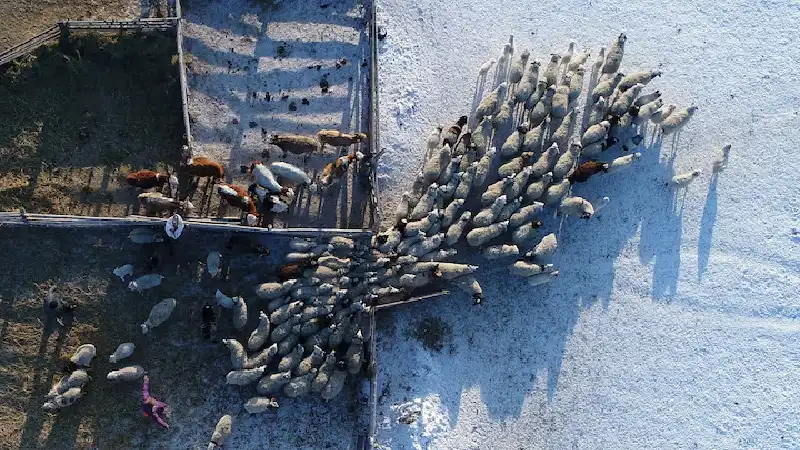
Russia is confronting a growing agricultural crisis as authorities confirm that multiple cattle diseases are complicating an ongoing outbreak in Siberia, leading to widespread culling and rising tensions among farmers. Officials say the situation, initially linked to pasteurellosis and rabies, has become more complex due to the presence of additional unidentified illnesses. The outbreak has forced emergency measures across affected regions, with thousands of animals destroyed in an effort to contain the spread and prevent further damage to the livestock sector.
The scale of the response has triggered rare protests in rural areas, with farmers expressing frustration over the loss of livestock and the economic impact of the culling campaign. Many have called for greater transparency and accountability from agricultural authorities, as uncertainty grows over the nature of the outbreak and the effectiveness of current containment strategies. The crisis has placed pressure on regional administrations, particularly in Siberia, where emergency conditions have been declared to manage the situation.
Authorities maintain that the primary cause of the outbreak remains pasteurellosis, a severe bacterial infection, combined with cases of rabies, but have acknowledged that other diseases are complicating the response. Officials have indicated that laboratory findings suggest the infection may be behaving more aggressively than usual, raising concerns about its spread and impact. At the same time, external reports have suggested the possibility of foot and mouth disease, a highly contagious virus that can significantly disrupt livestock trade, though Russian officials have rejected these claims.
The outbreak has broader implications for Russia’s agricultural exports, which are a key component of its economic strategy. Any confirmation of additional diseases such as foot and mouth could lead to trade restrictions and undermine efforts to expand exports in the coming years. Authorities have already imposed restrictions on livestock movements in affected regions, while continuing vaccination programs and monitoring efforts to contain the outbreak and reassure trading partners.
Culling operations are continuing in several areas as officials attempt to control the spread, with veterinary services under pressure to implement measures that are both effective and socially acceptable. Reports from affected communities indicate that tensions remain high, with some residents questioning the necessity and scale of the response. The situation has highlighted the challenges of managing animal health crises in large and remote regions, where logistical and communication barriers can complicate rapid intervention.
As the outbreak evolves, authorities are expected to provide further updates on the nature of the diseases involved and the effectiveness of containment measures. The situation remains closely watched both domestic stakeholders and international observers, given its potential impact on food supply chains, trade flows and agricultural stability. With uncertainty still surrounding key aspects of the outbreak, the coming weeks will be critical in determining how successfully the crisis can be brought under control.