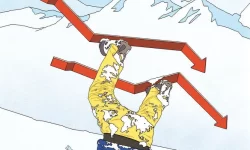
Europe’s economic outlook in 2026 is entering a phase of adjustment as inflation begins to stabilize while global trade risks continue to shape the broader environment. Over the past few years, European economies have navigated periods of elevated inflation driven energy costs, supply chain disruptions and shifting demand patterns. While price pressures are now easing in several sectors, uncertainty surrounding global trade and external demand remains a key concern for policymakers and businesses across the region.
Inflation Trends Begin to Stabilize Across Europe
Inflation has been one of the most significant economic challenges for the eurozone in recent years. Rising costs for energy, food and services placed pressure on households and businesses, prompting central banks to implement tighter monetary policies. Interest rate adjustments were aimed at slowing price growth while maintaining financial stability.
Recent data indicates that inflation is gradually moderating across many European economies. Energy prices have become less volatile compared with earlier periods, and supply chains have improved in efficiency. These developments have contributed to a more stable pricing environment, allowing businesses to plan more effectively and consumers to regain some confidence in spending.
However inflation remains uneven across sectors. Services and housing related costs continue to show persistent increases in some regions, reflecting structural factors such as labor shortages and strong demand. Policymakers must therefore balance the progress made in reducing inflation with the need to address ongoing pressures in specific areas of the economy.
Trade Risks Continue to Influence Economic Outlook
While inflation is stabilizing, global trade conditions are introducing new uncertainties into Europe’s economic outlook. Changes in international demand, geopolitical tensions and disruptions in shipping routes are affecting the flow of goods and services. These factors influence export performance, supply chain efficiency and overall economic growth.
European economies are highly integrated into global trade networks, making them sensitive to shifts in external demand. Export driven industries such as manufacturing and automotive production rely on stable international markets to sustain growth. When trade conditions become uncertain, businesses may delay investment decisions and adjust production levels.
Recent developments in global trade have highlighted the importance of diversification and resilience. Companies are exploring new markets and supply chain strategies to reduce exposure to specific risks. These adjustments can help mitigate short term disruptions while supporting long term stability.
Monetary Policy and Economic Balance
Central banks across Europe continue to play a crucial role in managing economic conditions. As inflation stabilizes, policymakers face decisions regarding the future direction of interest rates and monetary policy. Maintaining a balance between controlling inflation and supporting economic growth is a key challenge.
Higher interest rates have contributed to slowing inflation but have also increased borrowing costs for businesses and consumers. This can influence investment activity and spending patterns, potentially affecting economic growth. As conditions evolve, central banks must assess how quickly policy adjustments should be made to support recovery without triggering renewed inflation pressures.
Fiscal policy also plays an important role in shaping the economic outlook. Government spending, investment in infrastructure and targeted support for key industries can help stabilize economic activity during periods of uncertainty.
Sectoral Impact Across European Economies
Different sectors of the European economy are experiencing varying levels of impact from current conditions. Manufacturing industries are particularly sensitive to trade fluctuations and supply chain disruptions. Changes in export demand and input costs can influence production levels and profitability.
Service sectors, including tourism and hospitality, have shown resilience as demand for travel and leisure activities continues to recover. Countries such as Portugal benefit from strong tourism flows that support economic growth and employment.
Technology and digital industries are also contributing to economic activity. Investment in digital infrastructure and innovation supports productivity improvements and creates new opportunities for businesses across multiple sectors.
Outlook for European Economic Stability
The outlook for Europe’s economy will depend on how effectively policymakers and businesses navigate the balance between stabilizing inflation and managing trade related risks. Continued improvements in supply chain efficiency and stable energy markets may support growth, while external factors such as geopolitical developments could introduce new challenges.
Economic resilience will likely depend on diversification strategies, investment in innovation and the ability to adapt to changing global conditions. Countries that successfully combine these elements may be better positioned to maintain stable growth in the coming years.
Conclusion
Europe’s economic outlook is shifting as inflation stabilizes while trade risks continue to influence growth and policy decisions. Balancing price stability with economic resilience will remain central to the region’s long term performance.